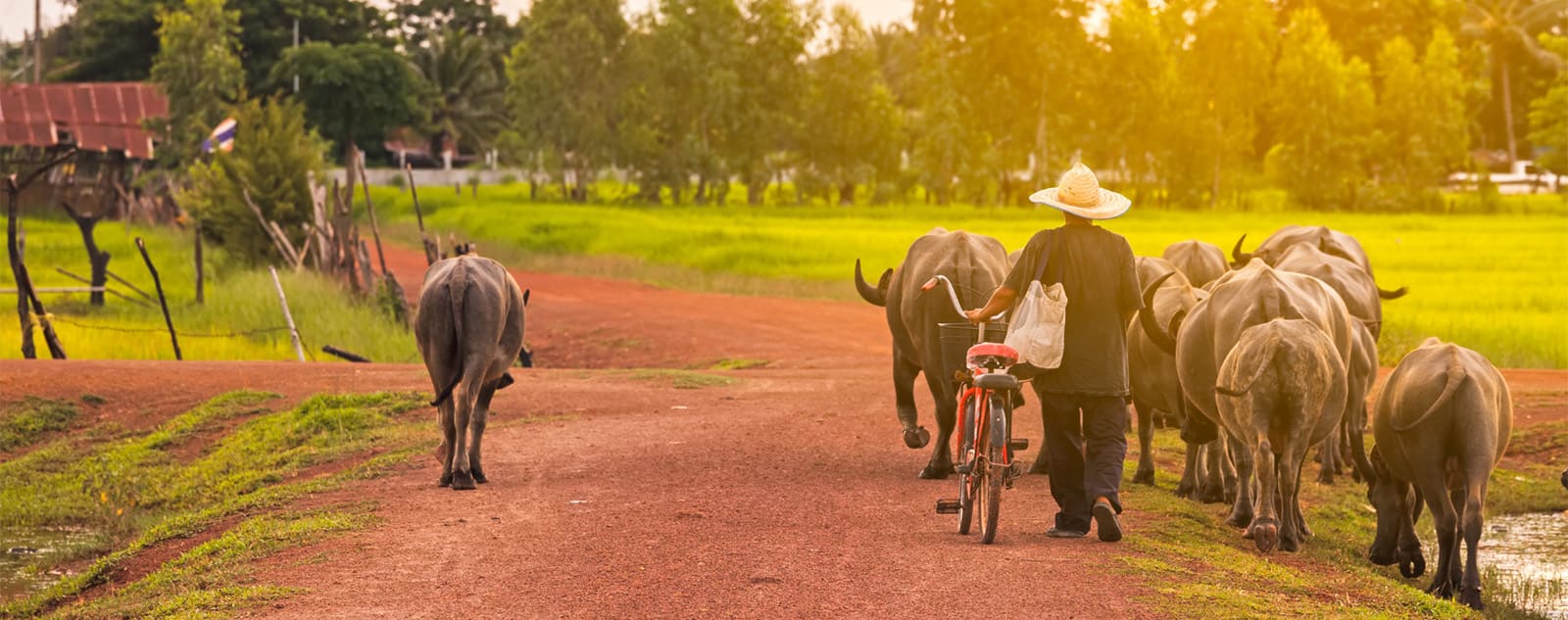
Sign up for Veterinarians Without Borders' Webinar - Young Volunteer Program: Stories from the Field
Learn about volunteering abroad from VWB staff and past volunteers.


Learn about volunteering abroad from VWB staff and past volunteers.
Submission form for volunteer blogs and social media posts.

Veterinarians Without Borders is working to prevent the spread of rabies across Canada's North.

In response to the Canadian Food Inspection Agency’s decision to ban the importation of dogs from other countries at high-risk for rabies, including dogs that could otherwise be available for adoption or purchase, Veterinarians Without Borders (VWB) is hosting a free virtual roundtable discussion to explore what comes next for international animal rescues.

In response to the devastating floods in Pakistan that have affected more than 33 million people and killed more than 800,000 farm animals, Veterinarians Without Borders (VWB) has partnered with Sangtani Women Rural Development Organization (SWRDO) to support women and families who have lost their animals and so much more.

The impact of the catastrophic flooding in Pakistan is huge, with more than 1/3rd of the country impacted, more than 800,000 livestock killed.

Considering the wide range of challenges brought to Ukraine by war and a variety of existing animal welfare initiatives, which are tirelessly working to help animals, VWB decided to expand its partner's network and provide emergency funding to more Ukrainian organizations. This Call for Proposals focuses on supporting animal welfare activities within Ukraine with the purpose of providing emergency funds to help animals in need.

As of September 28, 2022, World Rabies Day, commercial dogs from countries at high-risk for dog rabies will no longer be permitted entry into Canada. Commercial dogs can include, but are not limited to dogs for resale, adoption, fostering, breeding, show or exhibition, research, and other purposes. Watch a panel of experts and international rescues discuss these changes:.

Dr. Janet Davis, DVM fills a room with kindness during her time in Romania. “This tiny, emaciated kitten just arrived at the clinic. Nursing such a tiny baby back from the brink of death, it’s something that never gets old."

The conflict is far from over and these animals need help now more than ever as the media starts to lose focus on this continuing crisis. Get your free sticker to make sure these animals are NOT FORGOTTEN.
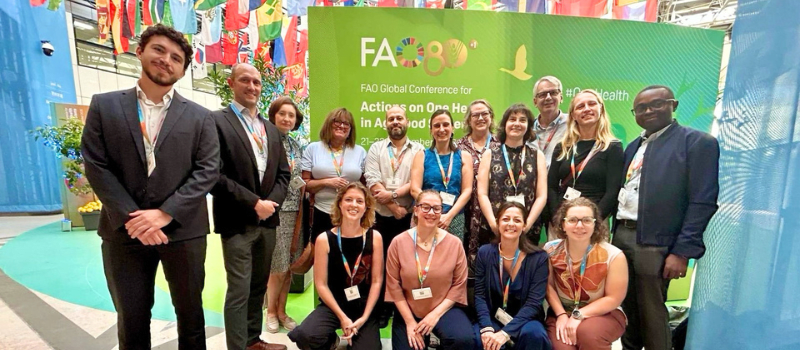
Written by Janine Mitchell, Executive Director of VWB, in recognition of One Health Day (November 3), this article draws on the FAO Global Conference for Actions on One Health in Agrifood Systems and the VSF International General Assembly to explore what it takes to turn One Health commitments into action—from building equitable partnerships and strengthening collaboration to ensuring practical systems and accountability.

On September 30, VWB joins Canadians in marking the National Day for Truth and Reconciliation and Orange Shirt Day. We reflect on the importance of listening, learning, and respectful relationships in our work alongside Indigenous communities in northern Canada, and share resources for continued learning.
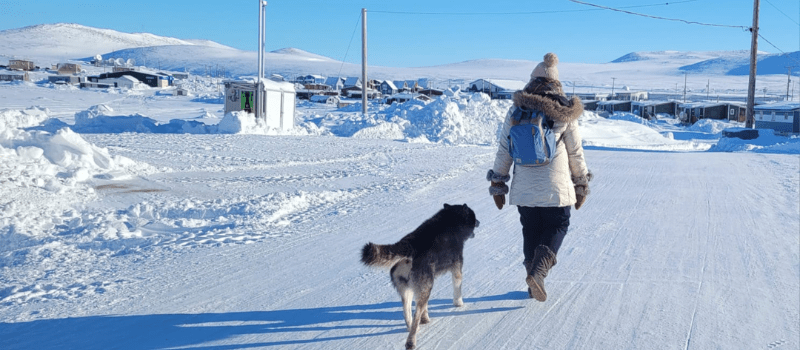
Watch a replay of our World Rabies Day 2026 webinar, which brought together perspectives from Alaska, Ukraine, and Laos to explore why rabies persists despite being preventable — and what stronger access, local capacity, coordination, and resilient animal and human health systems can contribute to progress toward ending human deaths from dog-mediated rabies by 2030.