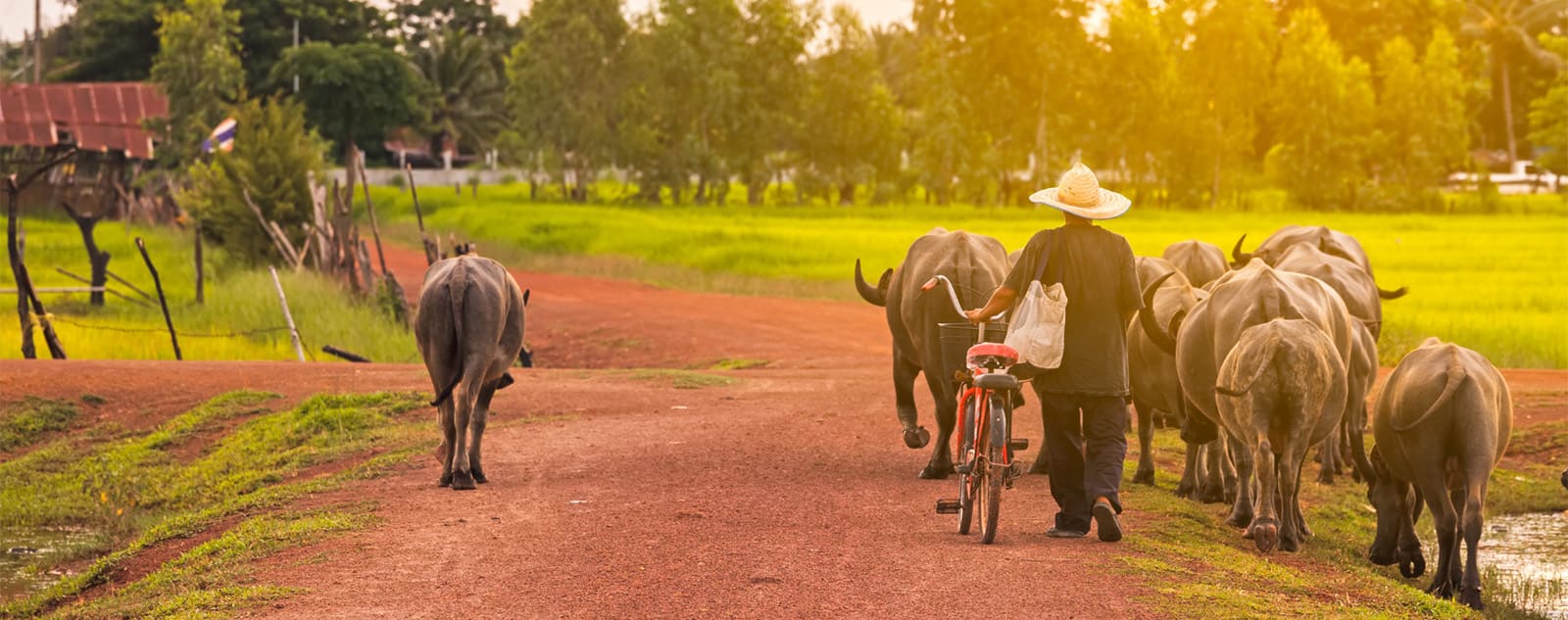
Veterinary students & VWB volunteers, Alanna & Vanessa, work with dairy farmers in Kenya
Veterinary students and VETS YVP volunteers, Alanna and Vanessa, worked with dairy farmers in Kenya.


Veterinary students and VETS YVP volunteers, Alanna and Vanessa, worked with dairy farmers in Kenya.

VWB launches Giving Tuesday campaign in support of Ukraine.

VETS volunteers, Johsnon & Nafhtari, explore how VWB/VSF is helping farmers in Kenya increase animal welfare and production.
Job description: UKRAINE LIVESTOCK DEVELOPMENT PROGRAM STRATEGY - CONSULTANT

Veterinarians Without Borders/Vétérinaires Sans Frontières launches new Access to Care Awards program, which will provide scholarships and bursaries to individuals residing throughout Canada’s North who are pursuing educational opportunities related to animal health and wellness.

Dian spent an amazing three months volunteering our VETS program partners in Ghana.
Vets Without Borders has an open Small Animal Health Specialist volunteer position at GAPNET located in Tamale.
Vets Without Borders has an open Small Animal Health Specialist volunteer position at SEND Ghana located in Tamale.
Vets Without Borders has an open Dairy Veterinary Advisor volunteer position at Wakulima Dairy Limited, located in the central highlands of Kenya.
Vets Without Borders has an open Dairy Veterinary Advisor volunteer position at Meru Dairy Co-operative Union, located in the central highlands of Kenya.
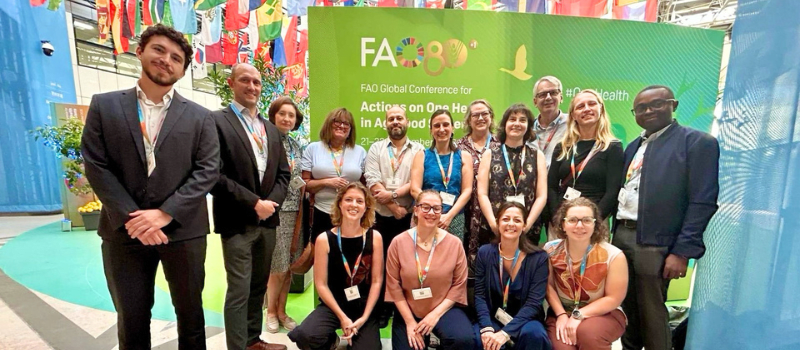
Written by Janine Mitchell, Executive Director of VWB, in recognition of One Health Day (November 3), this article draws on the FAO Global Conference for Actions on One Health in Agrifood Systems and the VSF International General Assembly to explore what it takes to turn One Health commitments into action—from building equitable partnerships and strengthening collaboration to ensuring practical systems and accountability.

On September 30, VWB joins Canadians in marking the National Day for Truth and Reconciliation and Orange Shirt Day. We reflect on the importance of listening, learning, and respectful relationships in our work alongside Indigenous communities in northern Canada, and share resources for continued learning.
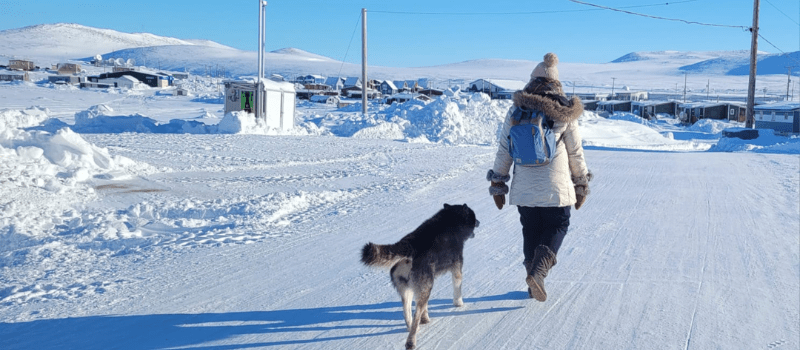
Watch a replay of our World Rabies Day 2026 webinar, which brought together perspectives from Alaska, Ukraine, and Laos to explore why rabies persists despite being preventable — and what stronger access, local capacity, coordination, and resilient animal and human health systems can contribute to progress toward ending human deaths from dog-mediated rabies by 2030.