The federal government released a statement about banning the importation of dogs from all over the world.
The Canadian Food Inspection Agency (CFIA) is implementing a new measure to protect Canadians and their pets, and to reduce the risk of introducing dog rabies (rabies caused by canine-variant viruses) into Canada.
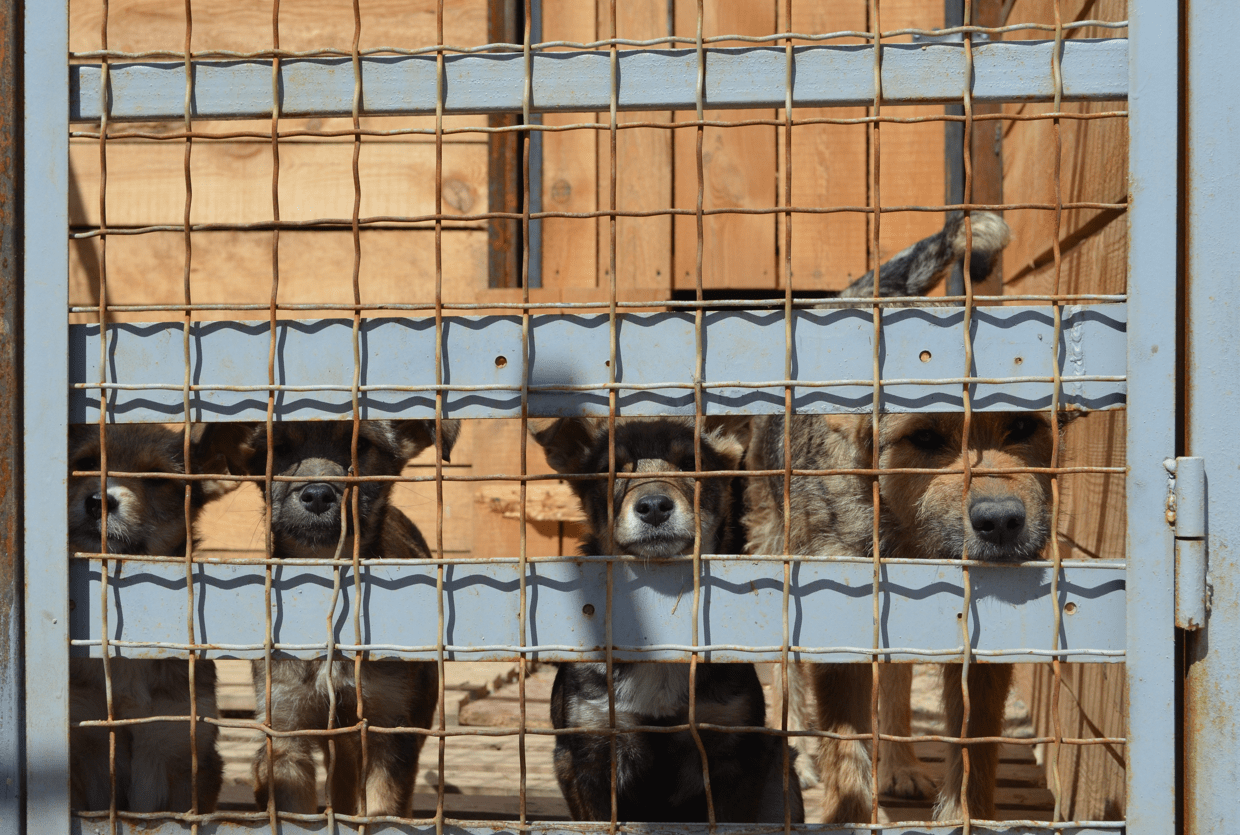
As of September 28, 2022, World Rabies Day, commercial dogs from countries at high-risk for dog rabies will no longer be permitted entry into Canada. Commercial dogs can include, but are not limited to dogs for resale, adoption, fostering, breeding, show or exhibition, research, and other purposes.
Watch below speakers including animal and policy experts, Michelle Tuma DVM, (Veterinarians without Borders / Vétérinaires sans frontières – Canada (VWB/VSF), Gregg Tully (Save the Dogs and Other Animals), Kathy Duncan (Humane Canada), and Nina Lozinska from Happy Paw in Ukraine.
Major highlights from the discussion:
• Rabies is incredibly deadly - There are only 29 reported cases of rabies survivors worldwide to date (2020 – NCBI)
• There are many types of rabies, canine rabies specifically is one that is not endemic in Canada, which is why it was so scary when it showed up. Due to lack of any regulation or tracking, the contact tracing for a single case is burdensome if not impossible.
• Regulations are not supposed to affect personally owned dogs – but the CFIA website has removed the countries affected from the drop-down on their website for importing (if you are moving or travelling to Canada), so you need to contact them directly to sort it out.
• Regulations are unclear on country of origin - It appears ‘banned’ dogs can be moved from country of origin to a country that is not on the banned list and still be imported.
• Potential amendments – the US brought this same ban in July 2021, since then they have made amendments to allow for special permits for rescues (and breeders) that comply with specific requirements. They also closed the country of origin loophole that previously existed.
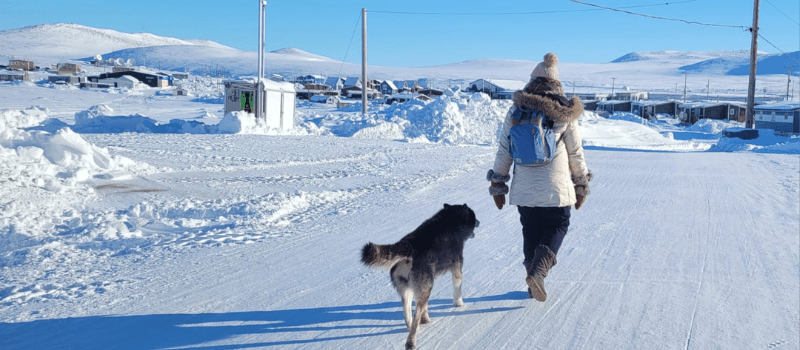
• The real solution to ending the suffering (and the ban) – investing in international spay neuter & vaccination. It is very clear that an endless stream of overpopulation is a source for disease and pain. Addressing the issue at the source is the best possible solution and is working in areas like Bulgaria and right here in Northern Canada with the Northern Animal Health Initiative.
Rabies is extremely deadly and preventing infection is a cause that VWB is also widely involved in, especially in our Northern Animal Health Initiative. Approximately 59,000 people die from rabies each year, 60% being children. This is a serious issue, so how will dogs get the help they continue to need especially those in war torn regions like Ukraine?
"Many people have moved on from the Ukrainian crisis, because the news cycle has moved on to other issues, so donations have slowed, despite dwindling supplies and the growing need," Charmaine Brett, Executive Director at VWB/VSF Canada says.
"We are working with front line partners that are on the ground every day, risking their lives to make sure these dogs aren't forgotten, that they don't starve to death as their guardians are forced to flee."
Donations are desperately needed to keep animals alive as we work to get them vaccinated and out of the country as soon as possible. Donate directly to Ukraine efforts today.
A full list of countries is as follows:
Africa
Algeria, Angola
Benin, Botswana, Burkina Faso, Burundi
Cameroon, Central Africa Republic, Chad, Comoros, Côte D'Ivoire (Ivory Coast)
Democratic Republic of the Congo, Djibouti
Egypt
Equatorial Guinea, Eritrea, Eswatini (Swaziland), Ethiopia
Gabon, Gambia, Ghana, Guinea, Guinea-Bissau
Kenya
Lesotho, Liberia, Libya
Madagascar, Malawi, Mali, Mauritania, Morocco, Mozambique
Namibia, Niger, Nigeria
Republic of Congo, Rwanda
Sao Tome and Principe, Senegal, Sierra Leone, Somalia, South Africa, South Sudan, Sudan
Tanzania (including Zanzibar), Togo, Tunisia
Uganda
Western Sahara
Zambia, Zimbabwe
Americas and Caribbean
Belize, Bolivia, Brazil
Colombia, Cuba
Dominican Republic
Ecuador, El Salvador
Guatemala, Guyana
Haiti, Honduras
Peru
Suriname
Venezuela
Asia and the Middle East, Eastern Europe
Afghanistan, Armenia, Azerbaijan
Bangladesh, Belarus, Brunei
Cambodia, China (excluding Hong Kong, Macao and Taiwan)
Georgia
India, Indonesia, Iran, Iraq
Jordan
Kazakhstan, Kuwait, Kyrgyzstan
Laos, Lebanon
Malaysia, Moldova, Mongolia, Myanmar (Burma)
Nepal, North Korea
Oman
Pakistan, Philippines
Qatar
Russia
Saudi Arabia, Sri Lanka, Syria
Tajikistan, Thailand, Türkiye, Turkmenistan
Ukraine, United Arab Emirates, Uzbekistan
Vietnam
Yemen
This list is reviewed regularly and is subject to change.