Every year, rabies takes the lives of nearly 60,000 people worldwide — deaths that are overwhelmingly preventable. We know many of the tools that work, from vaccination and post-exposure care to effective surveillance, public awareness, and coordination between animal and human health systems. Yet rabies persists. In recognition of World Rabies Day 2026, VWB brought together perspectives from Alaska, Ukraine, and Laos to ask a deceptively simple question: If rabies is preventable, what is still standing in the way? Together, we explored how geography and access, conflict and disruption, and local capacity can shape rabies prevention — and what these very different contexts can teach us about making meaningful progress toward ending human deaths from dog-mediated rabies by 2030.
LIVE WEBINAR: Wednesday, September 30th @ 12pm-1pm EDT
>> Watch the Replay <<
MEET THE PANEL:
Dr. Gregory Pietsch (DVM)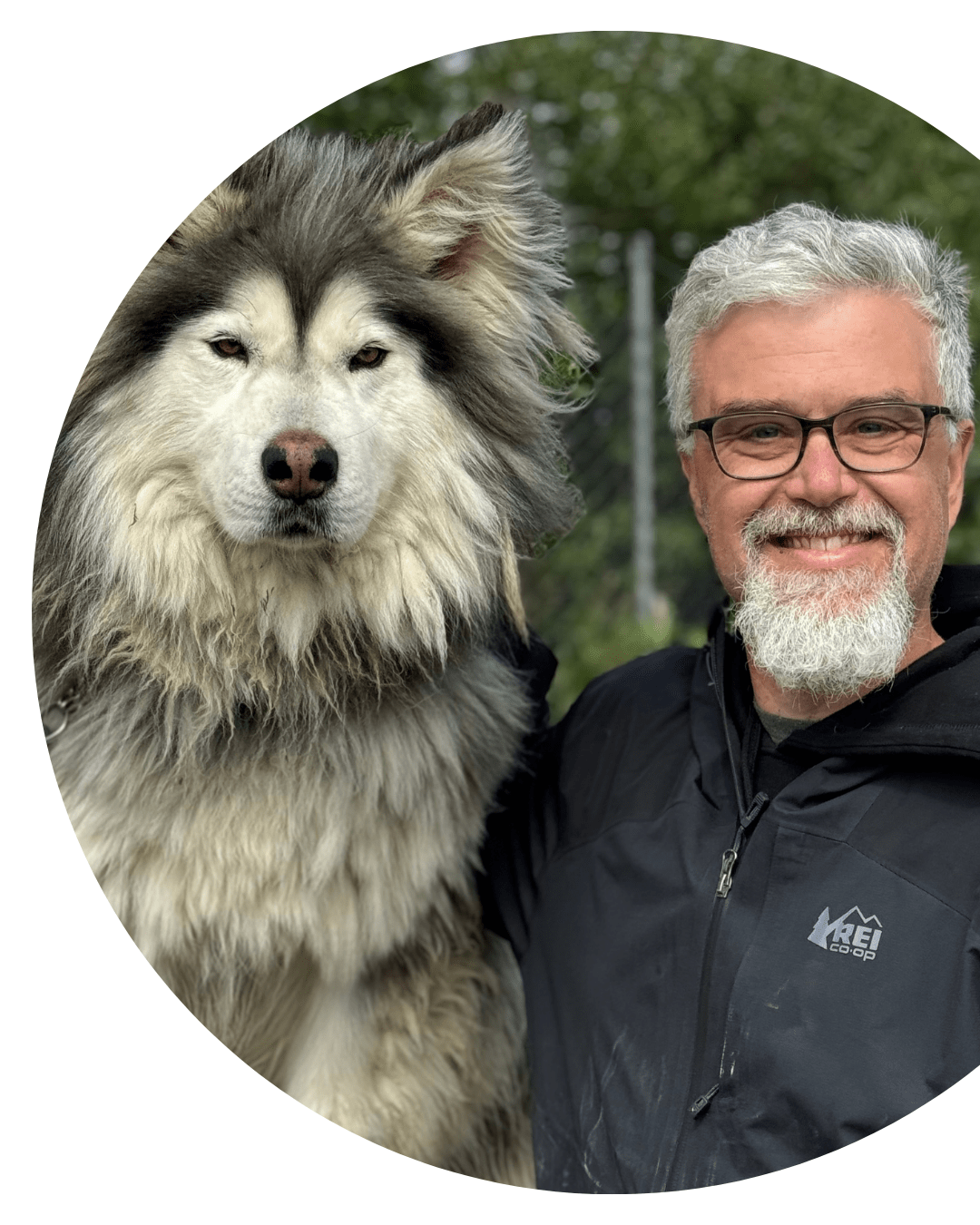 Assistant Professor of Veterinary Medicine, University of Alaska Fairbanks
Gregory studied Wildlife Biology at the University of Alaska Fairbanks before earning his Doctor of Veterinary Medicine from the University of Minnesota. With over 20 years of experience, he has practiced in both urban clinics and remote settings, focusing on companion animal care and public health. Since joining the faculty at UAF, Gregory has led Nanook VetServe, a One Health initiative that trains veterinary students to deliver preventive care and community outreach in underserved Alaskan communities. His work strengthens animal health, improves community well-being, and provides students with transformative learning experiences. In addition to his academic role, Gregory collaborates with Veterinarians Without Borders and regional partners to expand veterinary services and promote rabies prevention in remote regions. His commitment reflects a deep dedication to advancing One Health and preparing the next generation of veterinarians to serve with skill and compassion.
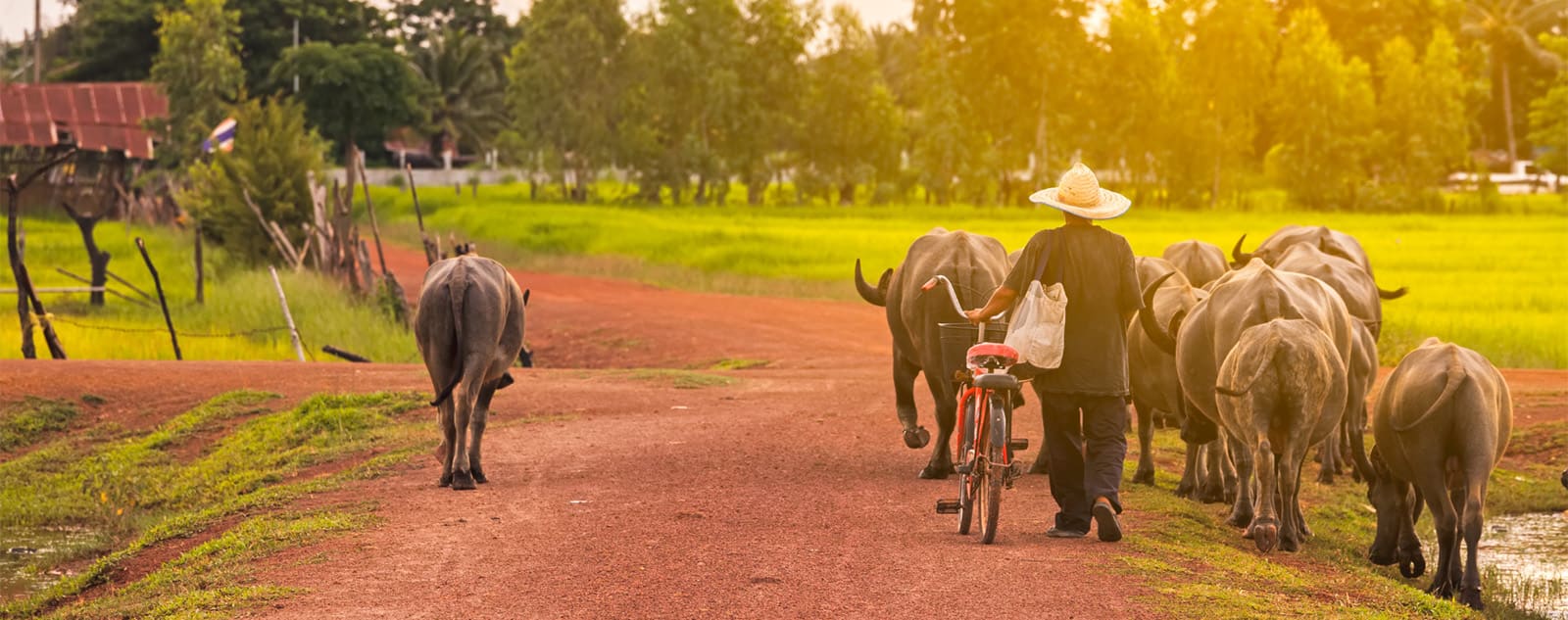
In this webinar, Gregory drew on his experience in remote Alaskan communities to explore how geography, access to veterinary services, wildlife, and the challenges of delivering sustained preventive care can complicate rabies prevention — even when the tools to prevent the disease are well understood.
Lala Tarapakina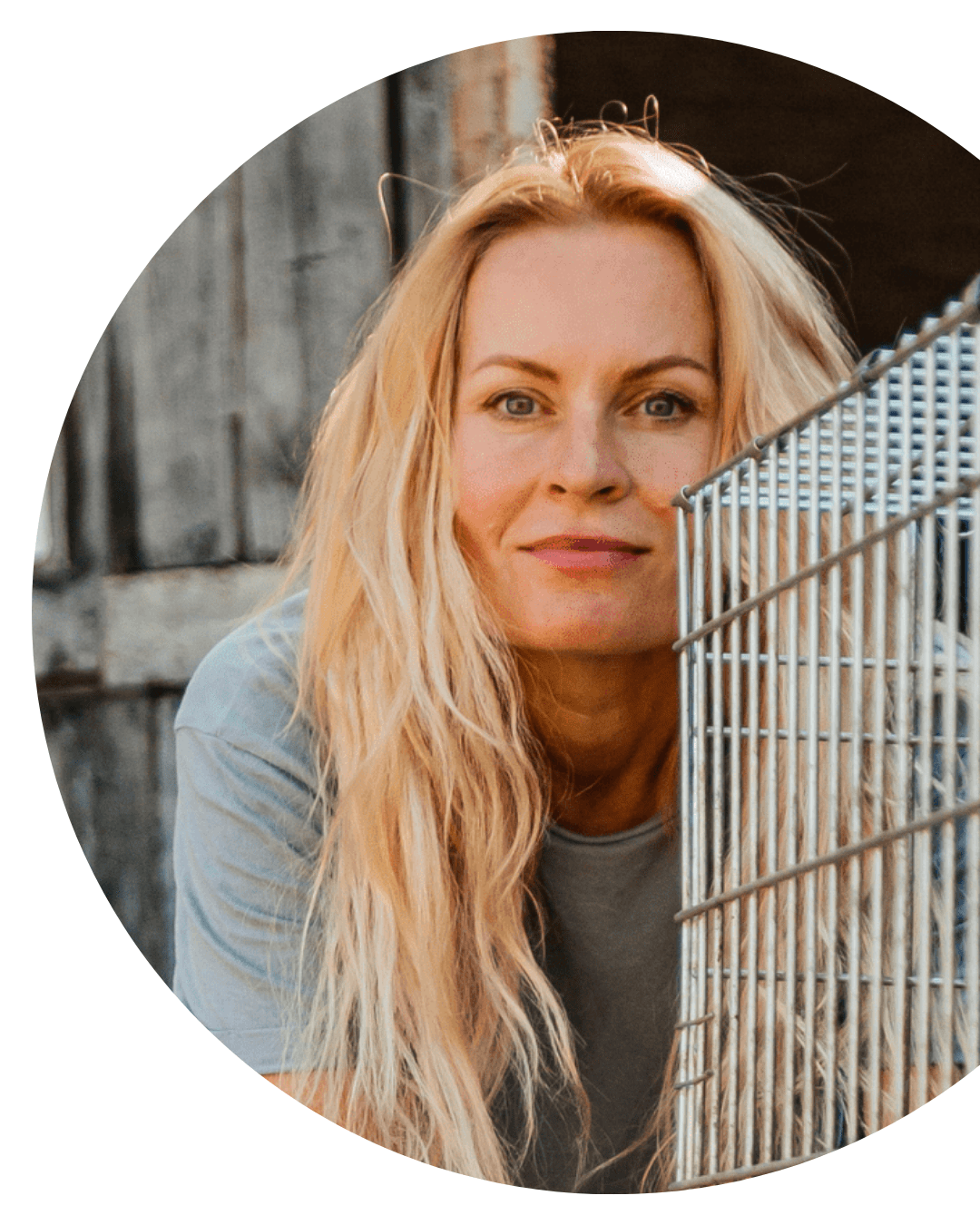 Founder & Chief of Rescue, 12 Guards Charitable Foundation (Ukraine)
Lala is the founder and director of the 12 Guards Charitable Foundation in Ukraine. Previously, as a writer and researcher of Ukraine’s cultural and historical heritage, she spent many years promoting lesser-known places across the country and created the Found in Ukraine project. She originally established 12 Guards to help preserve Ukraine’s castles and palaces, but following the full-scale Russian invasion, shifted the organization’s focus to humanitarian response and animal rescue. Under Lala's leadership, 12 Guards now provides comprehensive support for animals affected by the war, including frontline evacuations, veterinary care, vaccination, sterilization, rehabilitation, and adoption. Working alongside veterinarians, animal handlers, volunteers, and partner organizations, Lala has firsthand experience of the challenges of maintaining animal health and welfare services amid displacement, damaged infrastructure, changing animal populations, and ongoing conflict.
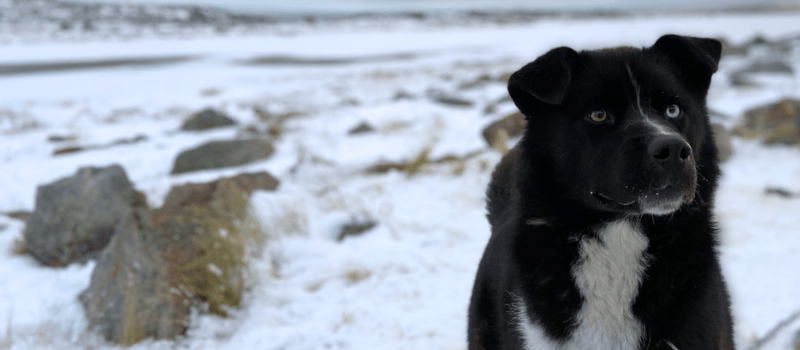
In this webinar, Lala drew on her experience in Ukraine to explore what happens to sustained rabies prevention when conflict disrupts the systems and services needed to support it — from access to veterinary care and vaccination to surveillance, reliable data, and the ability to reach animals and communities in affected areas.
Dr. Alina Cota-Merlo (DVM)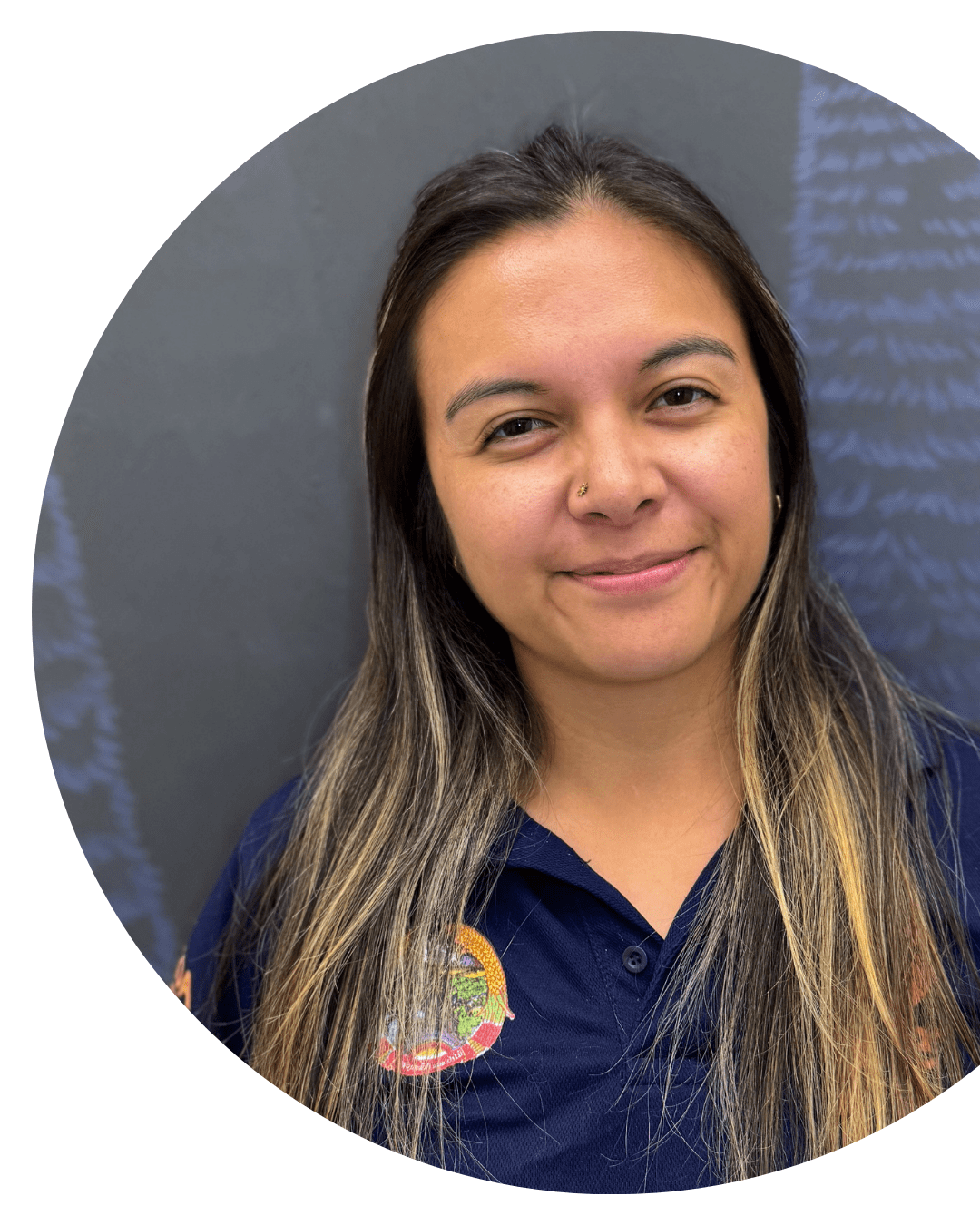 Former One Health Advisor, Veterinarians Without Borders VETS Program (Laos)
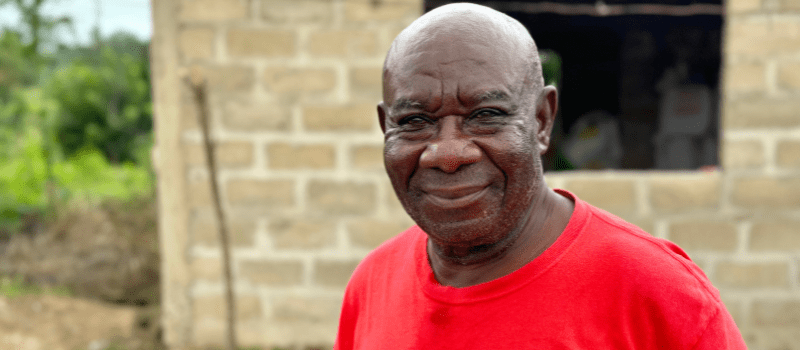
Alina is a veterinarian and 2023 graduate of the Ontario Veterinary College with experience in both large and small animal practice in Canada and international development. She has completed two volunteer placements with VWB, working with CARE International in Laos. In 2024, she served as a Gender and Livelihood Advisor, delivering training in animal health, biosecurity, and gender equality. She returned to Laos in 2025 as a One Health Advisor. Across her placements, Alina worked with local partners, farmers, and Village Veterinary Volunteers to strengthen community-level animal health knowledge and capacity. Drawing on her clinical and international experience, she has a particular interest in practical, community-based approaches that connect animal, human, and environmental health. She currently works in small animal practice on Vancouver Island.
In this webinar, Alina drew on her experience in Laos to explore what needs to be in place at the community level for rabies prevention to succeed — including access to animal health knowledge and services, local capacity, community engagement, and cross-sector collaboration — and how gaps in these areas can stand in the way.