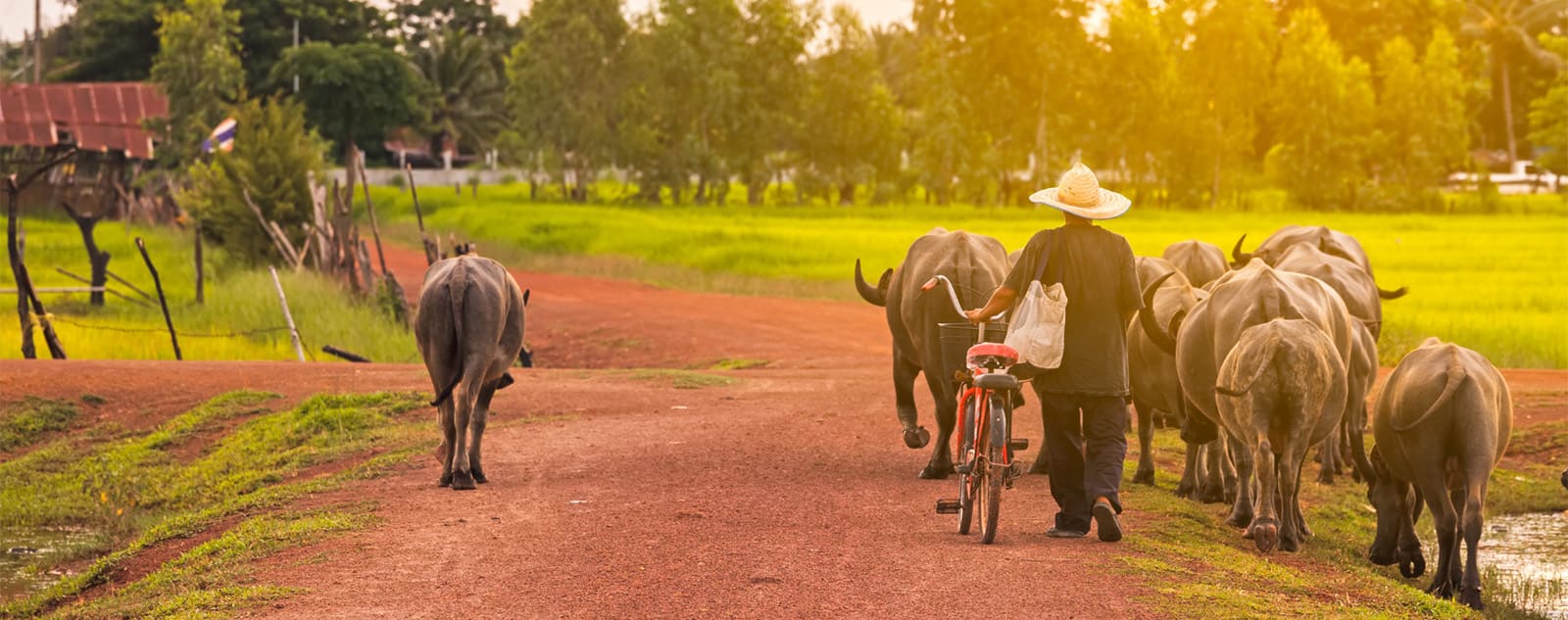
One Health, One World: The Interconnectedness of Animals and Humans
VWB's Danielle Legault shares her research and findings on how animals help shape human lives and communities.


VWB's Danielle Legault shares her research and findings on how animals help shape human lives and communities.

In this article, wildlife health specialist and VWB/VSF Board Member, Jolene Giancinti (BHSc, DVM, PhD) answers common questions and reviews best practices around Avian Influenza Viruses (AIVs). The goal is to provide you with a technical overview and spark your interest in learning more.

We are pleased to announce the receipt of a $66,877 grant from the Food and Agriculture Organization (FAO) to support the Emergency Locusts and Other Pests Response Project (ELRP) in Aweil North, Northern Bahr El Ghazal, South Sudan.

#VETSVolunteerVoices aims to bring you the stories of our passionate VETS program volunteers from the field. This blog was written by Karissa Gall, a Gender Advisor Volunteer in Ghana who worked with our partner, SEND, in January 2024.

As we mark the International Day of Biological Diversity on May 22nd, it’s the perfect time to reflect on the links between human, animal, and environmental health. In this article, VWB/VSF Board Member, Dr. Anna MacKay (DVM, MSc) discusses climate change, zoonoses, and the critical need for biodiversity.

We are pleased to announce the receipt of a grant of US $400,000 over two years from the Zoetis Foundation to reinforce our efforts in supporting vulnerable livestock farmers in South Sudan.

#VETSVolunteerVoices aims to bring you the stories of our passionate VETS program volunteers from the field. This reflective blog was contributed by Maria Stanborough, a Communications Volunteer with our VETS program in Ghana in February 2024.

As we mark International Mother Earth Day in 2024, we explore how composting is revolutionizing the dairy sector in Kenya, fostering sustainability and resilience in the face of climate change.

As phase one (March 2023-March 2024) of our resilience and livelihood program in South Sudan completes, we share key activities, achievements and program impacts. Building upon success, phase two of our critical work in the region is already underway.

#VETSVolunteerVoices aims to bring you the stories of our passionate VETS program volunteers from the field! This story was contributed by K. Calahan, a Communications Volunteer with VETS in Kenya in February 2024.

In recognition of World AMR Awareness Week 2026 (November 18–24), this article explores an often-overlooked dimension of antimicrobial resistance: what happens to antibiotics after they are used. By examining how antibiotic residues, resistant bacteria and resistance genes move through water and interconnected environmental systems, it considers the implications for One Health surveillance, pollution prevention and antimicrobial stewardship that extends beyond the point of use.
In this edition of Ask an Expert, we spoke with veterinarian Dr. Elena Garde, whose career has spanned wildlife disease research, zoonotic disease, disaster response and community-based animal health across Canada, Latin America and beyond.
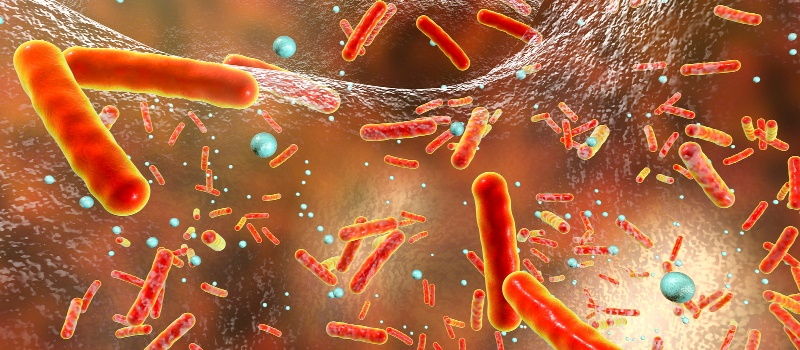
Watch a replay of our World AMR Awareness Week 2026 webinar, which brought together experts in antimicrobial resistance (AMR), animal health, and One Health to examine where progress is being made in the global response to AMR, why gaps persist between policy commitments and implementation, and what stronger coordination across human, animal, and environmental health can contribute to meaningful, lasting change.