In this edition of #VETSVolunteerVoices, we shift perspective — from volunteer reflections to the voice of a local VETS program partner helping shape sustainable agriculture from within. Meet Sophoan Min, Country Representative of AVSF Cambodia, who has spent more than 25 years working alongside farming communities and VETS volunteers to strengthen farmer organizations, promote sustainable agriculture, and build more resilient rural livelihoods.
Growing Up with Agriculture
In Cambodia, agriculture is more than an occupation. It is the livelihood of millions of families, shaped by generations of knowledge, changing climates, and evolving markets. Few people have witnessed that evolution as closely as Sophoan Min.
Growing up in Prey Veng Province, one of Cambodia's most productive agricultural regions, Sophoan was surrounded by farming from an early age. His parents were farmers, and life revolved around the rhythms of planting, harvesting, and caring for the land. Those experiences shaped not only his understanding of agriculture, but also his appreciation for the resilience of rural communities.
After completing his studies in English, Sophoan joined Agronomes et Vétérinaires Sans Frontières (AVSF) Cambodia in 1999 as a translator. What began as an opportunity to bridge languages soon became a career dedicated to strengthening agriculture, improving livelihoods, and supporting rural development. Over the next twenty-five years, he took on increasing responsibilities within the organization, eventually becoming Country Representative and helping guide AVSF Cambodia through a period of remarkable growth.
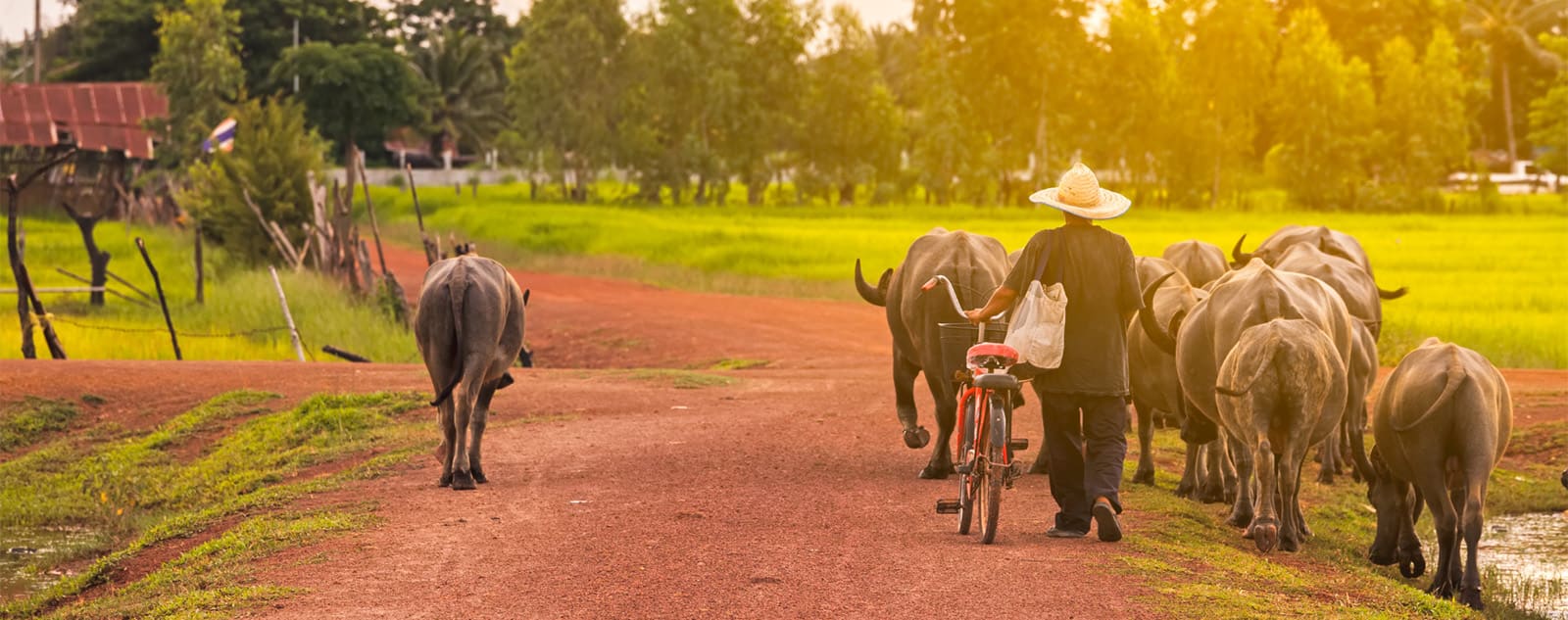
Today, the farming communities that first inspired him remain at the heart of his work. Having grown up working in rice fields, caring for buffaloes, catching fish, and experiencing rural life firsthand, he says those early experiences continue to shape the practical, farmer-centred approach he brings to his work today.
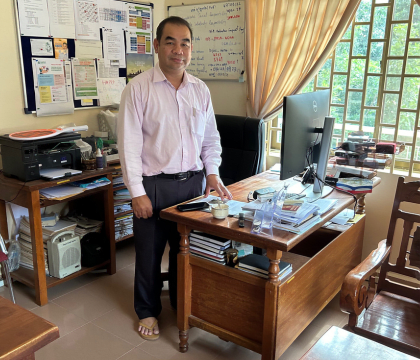 PHOTO: Sophoan Min, Country Representative of AVSF Cambodia, at his office in Phnom Penh.
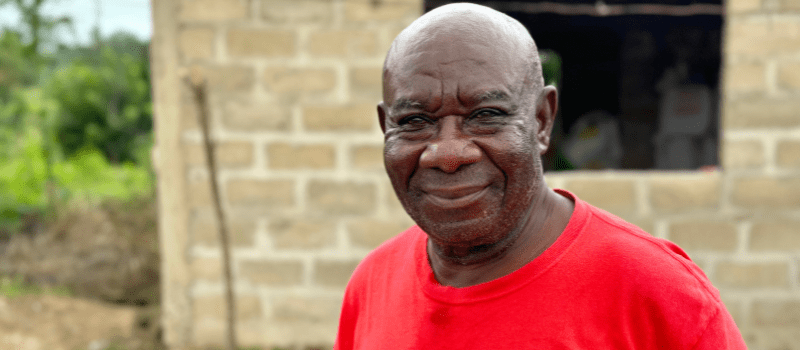
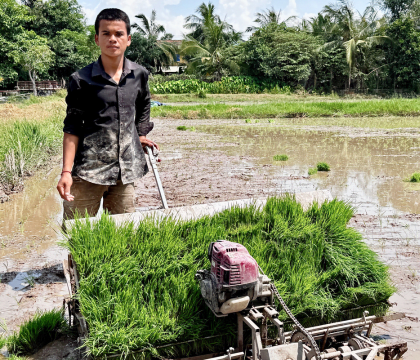 PHOTO: A rural farmer participant in AVSF Cambodia's project in Prey Veng Province, Cambodia.
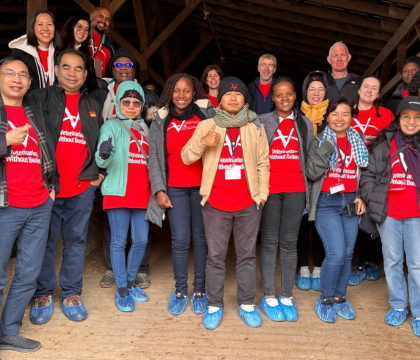 PHOTO: Sophoan (2nd from L) with VETS Program Country Coordinators during a study tour in Canada (2023).
Learning in Both Directions
Since establishing its Cambodia program in 1991, AVSF has worked alongside smallholder farmers to strengthen agricultural cooperatives, improve livestock production, promote agroecological farming, and build more resilient rural livelihoods. For more than a decade, one important part of that work has been its partnership with Veterinarians Without Borders (VWB) through the VETS program.
Unlike many organizations that host volunteers for a single project, Sophoan has experienced this collaboration over many years, watching it evolve as both organizations learned from one another. "The collaboration with VETS has not only brought valuable technical expertise," he reflects, "but has also created opportunities for mutual learning, innovation, and long-term capacity building."
That idea of mutual learning has become one of the defining characteristics of the partnership.
Over the years, VETS volunteers have worked alongside AVSF Cambodia on everything from sustainable agriculture, soil health, and agroecology to GIS mapping, epidemiological research, communications, fundraising, organizational development, gender equality, and One Health. Each volunteer arrived with different technical expertise, but according to Sophoan, the greatest value has never been simply transferring knowledge.
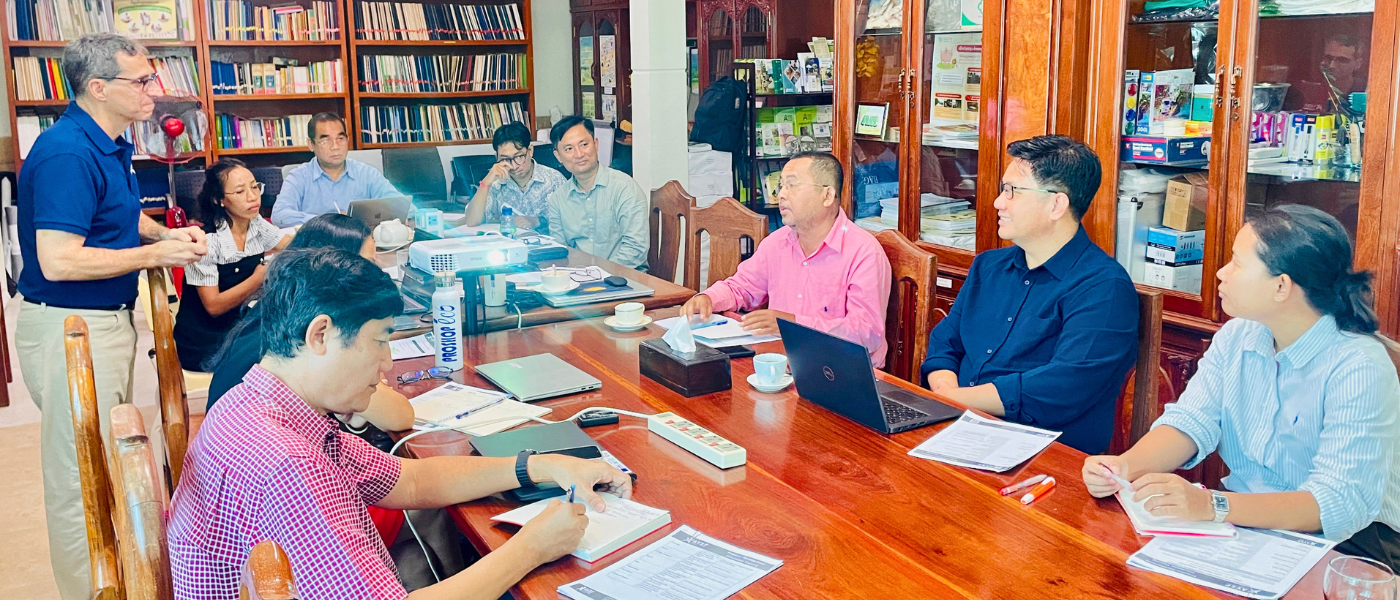 PHOTO: VETS volunteer Vincent Auclair (standing, L) facilitates a proposal-writing simulation with Sophoan (head of table) and AVSF Cambodia staff in Phnom Penh (April 2026).
Instead, volunteers and Cambodian colleagues work together—adapting ideas to local realities, sharing experiences, and building practical solutions that continue long after each placement has ended. As Sophoan explains: "Every volunteer brings different knowledge and perspectives. By working together, we strengthen both our organization and our ability to support farming communities."
Building Capacity That Lasts
Looking back over the years, Sophoan sees the impact of the partnership not through any single project, but through the gradual strengthening of AVSF Cambodia itself. Some volunteers introduced new technical skills. Others strengthened organizational systems. Together, they helped expand the organization's capacity in ways that continue to benefit staff, partner organizations, and farming communities.
Recent VETS volunteers have helped AVSF Cambodia develop its first communications strategy, strengthen fundraising systems, expand GIS mapping capacity to support organic certification, build epidemiological research skills for zoonotic disease surveillance, and introduce practical innovations in sustainable agriculture and climate-smart farming.
Each placement addressed a different need. Together, they have helped build a stronger organization.
One area where Sophoan has witnessed particularly meaningful change is gender equality. "The VETS project has made a significant contribution to advancing gender equality within AVSF Cambodia and among our partner organizations," he says. With support from VETS volunteers, AVSF Cambodia strengthened its gender policy, developed practical gender training materials, established a dedicated Gender Specialist position, and integrated gender considerations more intentionally across projects.
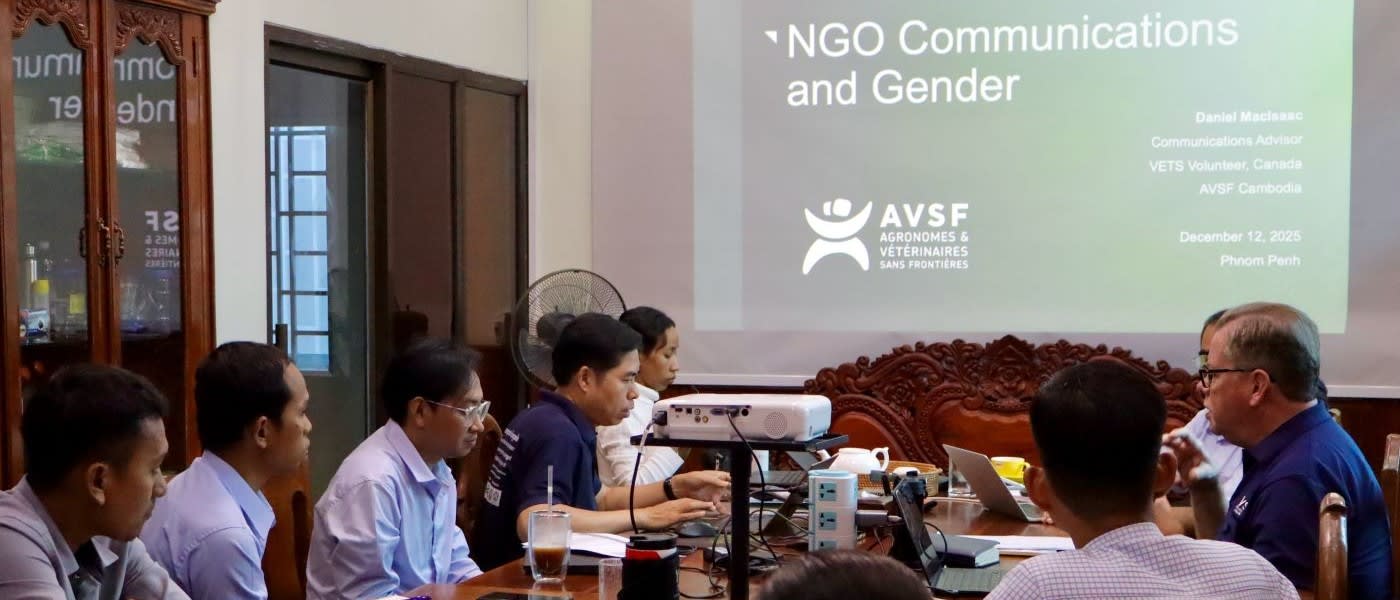 PHOTO: VETS volunteer Daniel MacIsaac (R) leads a communications and gender training session for AVSF Cambodia staff in December 2025.
The changes have extended far beyond the office.
Today, Sophoan sees more women taking leadership roles within farmer organizations, participating confidently in household and community decision-making, and becoming respected agricultural leaders. At the same time, he has witnessed more men sharing responsibility for childcare and household work, creating greater opportunities for women to participate fully in farming and community life.
For Sophoan, these are the kinds of changes that demonstrate what capacity building really means. It is not simply about new tools or technical skills. It is about creating stronger people, stronger organizations, and stronger communities.
When Farmers Become Leaders
Ultimately, however, the success of any partnership is measured not by strategies or training sessions, but by the people whose lives are changed along the way. One story Sophoan often returns to is that of Ho Penh, a farmer from Preah Vihear Province whose journey reflects the kind of long-term transformation partnerships can help create.
When AVSF first began working with her community, Ho Penh was raising crops and livestock to support her family, like many smallholder farmers across rural Cambodia. Over the years, through ongoing training, mentoring, and support provided through both the VETS and AGROW programs, she steadily strengthened her farming practices while growing into a confident community leader.
Today, Ho Penh manages a One Health Demonstration Site where neighbouring farmers learn about integrated crop and livestock production, environmentally sustainable farming practices, and climate-smart agriculture. Together with her husband, she manages cattle, chickens, vegetables, and fruit trees, while also demonstrating practical approaches that improve both household livelihoods and environmental health.
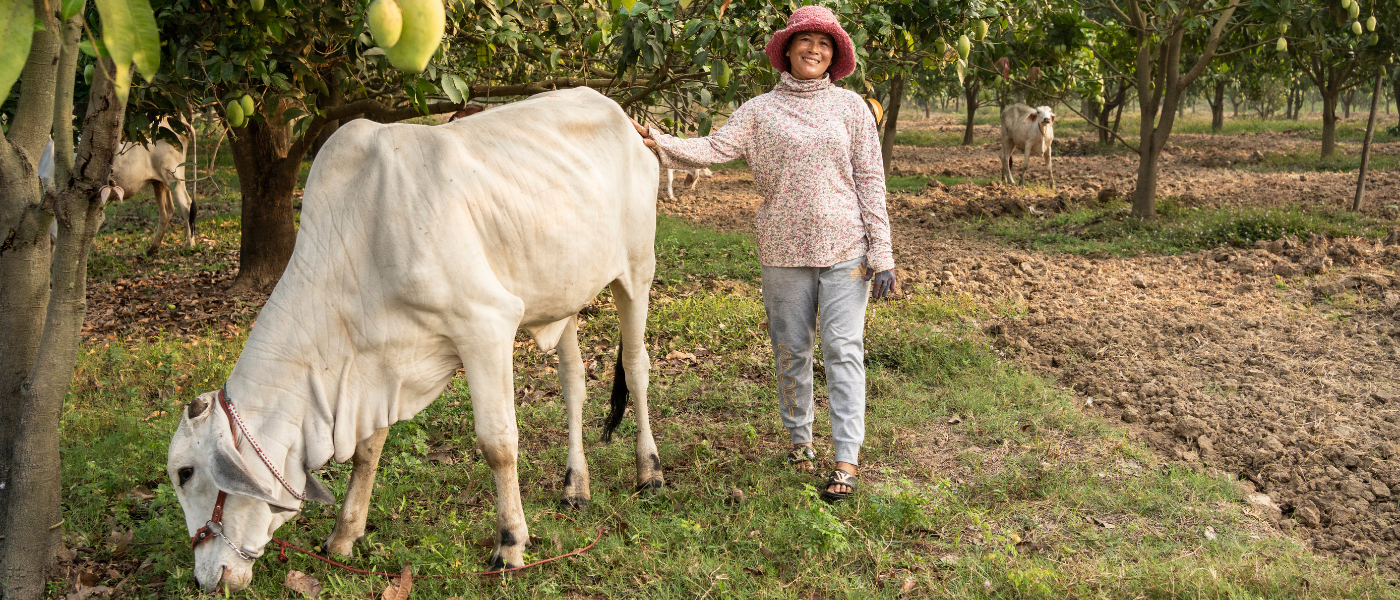 PHOTO: Ho Penh at her family farm in Preah Vihear Province, where she shares sustainable farming practices with neighbours while caring for livestock, fruit trees, and vegetable crops.
Perhaps even more meaningful is the change within her own household. Through gender equality training, household responsibilities have become more evenly shared, allowing Ho Penh greater opportunities to participate in farming decisions, community leadership, and mentoring other women farmers.
For Sophoan, her story captures exactly what successful capacity building looks like. "When local people become leaders, they inspire others, strengthen their communities, and create lasting change." That ripple effect is what continues to motivate his work.
Looking Ahead
Agriculture in Cambodia continues to face significant challenges. Climate change, changing markets, and increasing pressure on natural resources require new approaches to farming that are both productive and sustainable. Despite these challenges, Sophoan remains optimistic. "I hope to see Cambodian farmers become more resilient to climate change, improve their livelihoods, and build stronger farmer organizations. Partnerships like VETS help us strengthen local capacity while respecting local knowledge."
The impact becomes most visible, he says, when he visits farming communities and hears directly from farmers whose livelihoods have improved. "They speak to us with smiles, with confidence, and with pride in how their lives have changed. Those moments remind me that this partnership is making a real difference."
For him, that is why long-term partnerships matter. Volunteers may arrive with expertise in communications, fundraising, sustainable agriculture, epidemiology, GIS, or organizational development. But their greatest contribution is not a report, a strategy, or a training session. It is helping local organizations build the confidence, systems, and relationships needed to continue improving long after the volunteer has returned home.
Perhaps that perspective comes from Sophoan's own journey. Growing up on a family farm taught him that meaningful change rarely happens overnight. Healthy soil, thriving crops, and resilient communities all require patience, care, and steady investment over time. Partnerships are no different.
After more than twenty-five years with AVSF Cambodia—and more than a decade working alongside VETS volunteers—Sophoan has come to measure success not by individual projects, but by something far more enduring: local people who grow into leaders, organizations that become stronger with every collaboration, and farming communities that are better prepared for whatever the future may bring.
Because lasting change is rarely created by one project, one organization, or one volunteer.
It grows stronger—together.
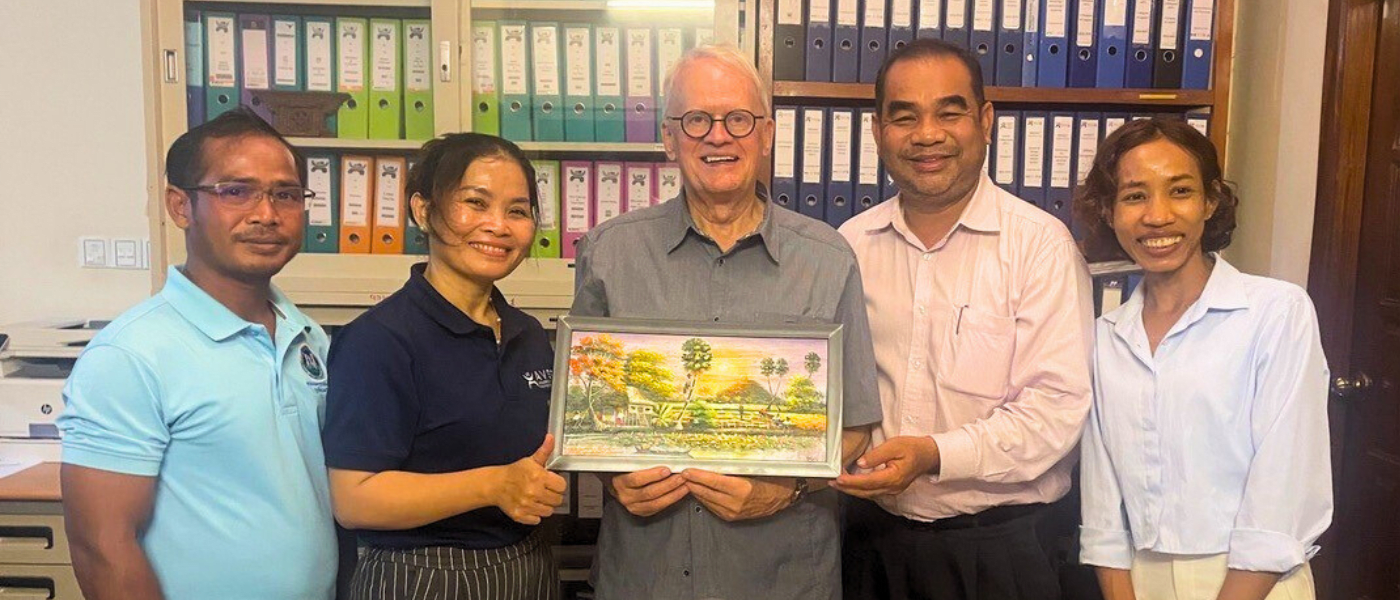 PHOTO: At the conclusion of his VETS placement, Sustainable Agriculture Advisor Harold Rudy (centre) receives traditional Cambodian artwork from Sophoan (2nd from R) and AVSF Cambodia colleagues—a reflection of the lasting partnerships built through shared learning.
VETS is an 8-year initiative (2020-2028) to improve the economic and social well-being of marginalized people, particularly women and girls, in 6 countries across Africa and Asia. In collaboration with local partners, the program is implemented through 190 Canadian volunteers on international assignment and is generously funded by Global Affairs Canada. Learn more.