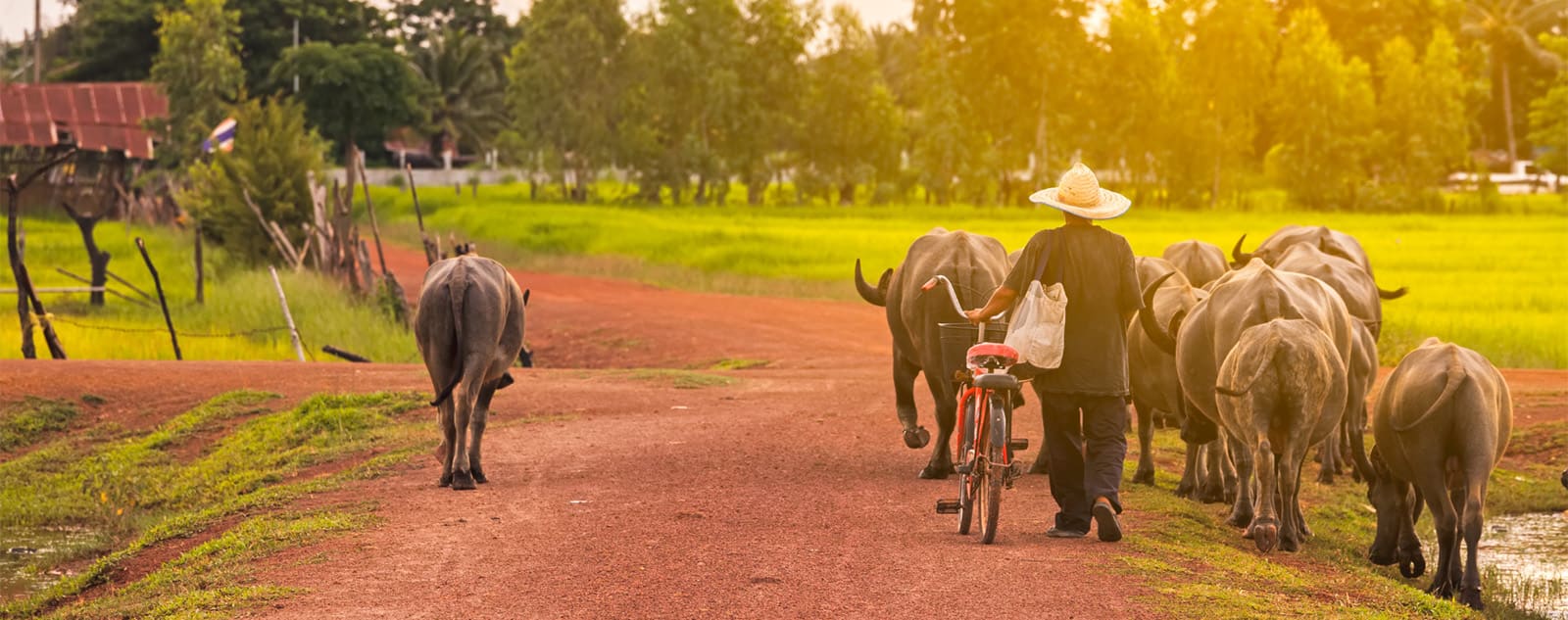
National Volunteer Week: Meet Natalia, a recent VETS volunteer in Ghana
Natalia shares all she learned during her recent VETS volunteer posting in Ghana, as a communications specialist.


Natalia shares all she learned during her recent VETS volunteer posting in Ghana, as a communications specialist.

In Kenya, we're working through a One Health lens with on-the-ground volunteers and partners to help farmers implement biogas fuel systems on their farms.

VWB/VSF alumni VETS volunteer, Younoussa Barry, is an environmental and agroecology expert. He spent time training local farmers about best practices in pesticide use to help improve the quality of crops, while also ensuring people, animals, and the environment remain protected from the pesticide's potentially negative side effects.

VWB/VSF VETS volunteers are training farmers in Kenya to improve the health of their cows and calves. This case study looks at local farmer, Mary Wambui, who worked with VETS volunteers to increase her cows' milk yield.

On International Women's Day, we take a look at five ways that VWB/VSF is working with women in farming and agriculture, worldwide, to help them address food security in their communities.

In Moli Tokuro Boma of Pageri Payam, which is located in Magwi County in Eastern Equatoria State, the project supported a group of beneficiaries, among them Mrs. Lemia Alice who is a 43-year-old single mom of seven children, four girls and three boys. She and her family returned from refuge in Uganda two years ago. Life has not been easy in the camps, which is why she decided to spontaneously move back home.

Margaret David is a happy farmer from the Nkandone society of Meru Dairy Union. She is a proud farmer after benefiting from Veterinarians With Borders/Vétérinaires Sans Frontières Canada's (VWB/VSF) Volunteer Engaged in Gender Responsive Technical Solutions (VETS) project.

VWB/VSF is supporting gender equality training on farms in Kenya. "We can now see couples working together, which means the implementation of knowledge and skills we train farmers in is more effective."

Veterinarians Without Borders/Vétérinaires Sans Frontières Canada and our local partner, BaseNet, recently implemented a 10-month research project titled, "Edible insect farming for improved nutrition and incomes in South Sudan". The project was generously funded by Global Affairs Canada's Fund for Innovation and Transformation (FIT) Program. It was developed on the basis that edible insect farming has the potential to mitigate the affects of malnutrition and gender-related challenges, and t...

I am glad to have taken part in the International Conference for Volunteering Organizations (#IVCO2022), which was held in Senegal under the theme of "a new dawn for volunteering in development". This gave me a chance to listen to other volunteers share their experiences and gave me a different perspective on volunteering for international development.

On September 30, VWB joins Canadians in marking the National Day for Truth and Reconciliation and Orange Shirt Day. We reflect on the importance of listening, learning, and respectful relationships in our work alongside Indigenous communities in northern Canada, and share resources for continued learning.
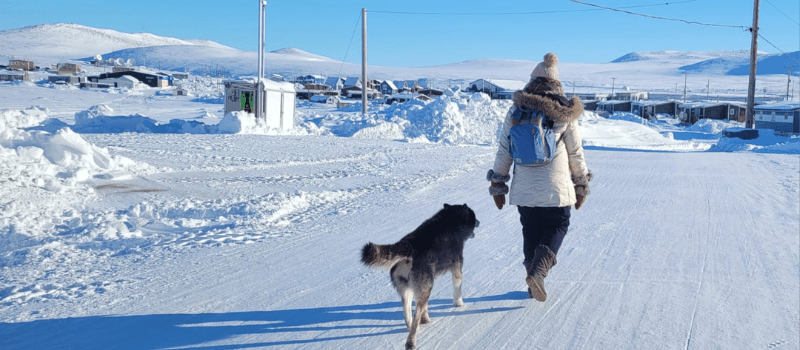
Watch a replay of our World Rabies Day 2026 webinar, which brought together perspectives from Alaska, Ukraine, and Laos to explore why rabies persists despite being preventable — and what stronger access, local capacity, coordination, and resilient animal and human health systems can contribute to progress toward ending human deaths from dog-mediated rabies by 2030.
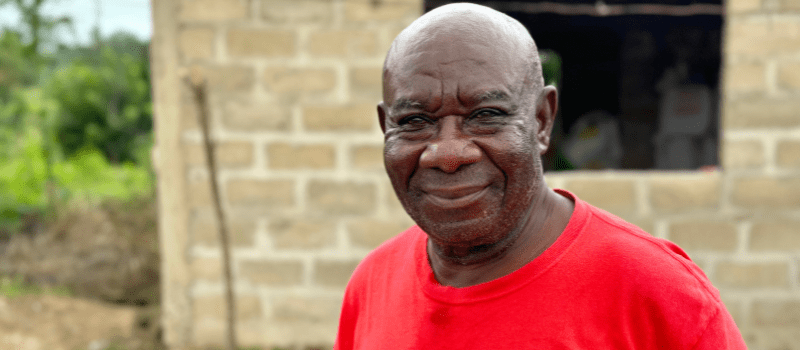
#VETSVolunteerVoices brings you stories of our passionate VETS program volunteers from the field. Meet Dr. Joseph Ansong-Danquah, a Ghanaian-Canadian veterinarian who has volunteered with VWB in Ghana since 2017. In 2026, Joseph is completing his final VETS placement after nine years of supporting farmers, communities, partner organizations and fellow volunteers across the country.