Redefining Wildfire Response in a Changing Climate
This past summer was one of the worst wildfire seasons on record. Learn how VWB/VSF is working with local partners and communities to help respond to wildfire emergencies.
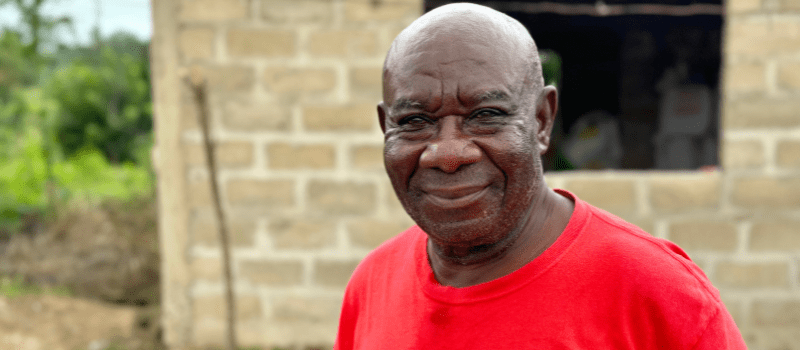
#VETSVolunteerVoices aims to bring you the stories of our passionate VETS program volunteers from the field! First up is Sandra Nyman, a member of our Young Volunteer Program, who recently completed her placement in Ghana.
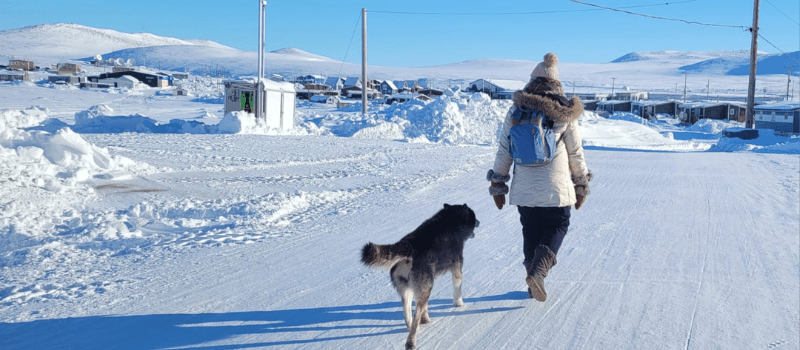
Across Canada's North, access to veterinary care is extremely limited. Meet one Yellowknife resident, and Access to Care Award recipient, who is hoping to change that.
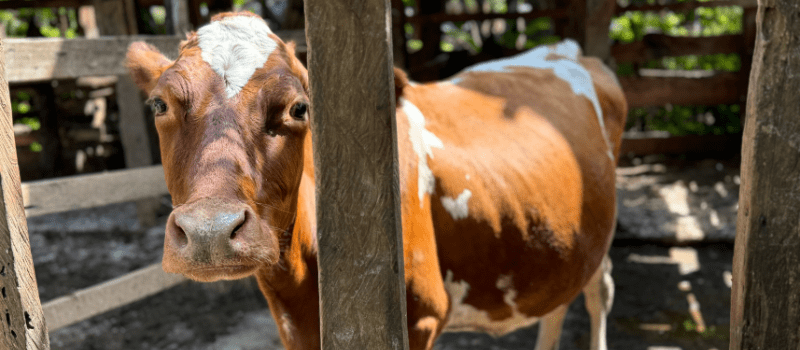
Charles Mauku's VETS training on calf rearing and disease prevention led to remarkable results, tripling his calf's weight within three months while avoiding illnesses and economic losses, inspiring fellow farmers to adopt these practices.
As wildfires become increasingly common across the globe, it's essential to have a well-thought-out plan to safeguard your non-human companions.
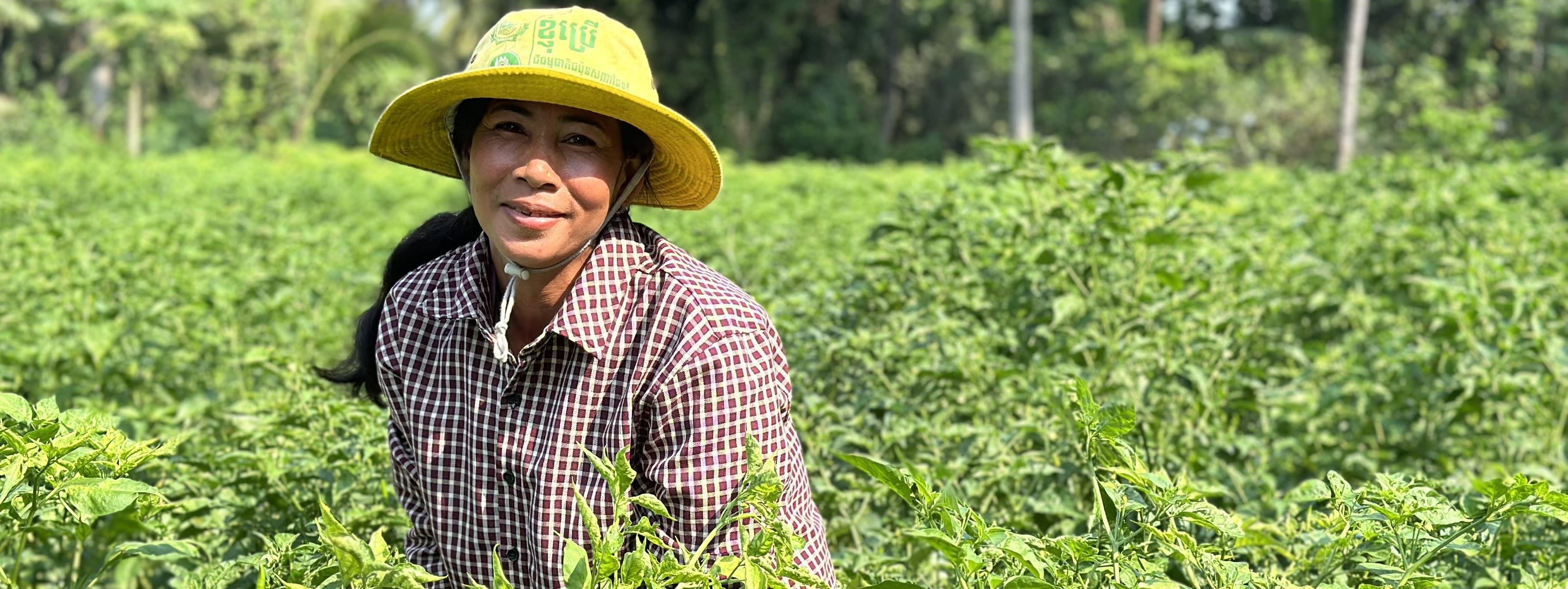
VWB/VSF's Head of Programs, Katherine Clark, visited Cambodia earlier this year to meet farmers who are participating in the AGROW program, which is supporting women in farming.
Enooyaq Sudlovenick, a PhD student, is researching the health of beluga whales in the face of climate change by combining Inuit and Inuvialuit knowledge with Western science.
Across Sub-Saharan Africa and Southeast Asia, VWB/VSF collaborates with local partners, tackling various diseases, including zoonotic threats like COVID-19, rabies, and anthrax, through farm animal vaccination campaigns. Recently, our VETS volunteers joined local partners in Ghana to help vaccinate sheep, goats, and cattle against anthrax.
Alumni VWB/VSF volunteer, Nicole Geddes, shares her insights and experiences volunteering as part of our Northern Animal Health Initiative.
Learn how Veterinarians Without Borders/Vétérinaires Sans Frontières and our alumni VETS volunteer, Nafhtari Wanjiku, have worked with local partners, and farmers like Ann Mwangi, in Kenya to promote sustainable dairy farming practices among small-scale farmers.
Based on field insights from Senegal, this blog examines how VWB’s COHERS program is helping drive early gender-transformative change at the household level — reshaping who decides, who acts, and how families respond to risks affecting both human and animal health.
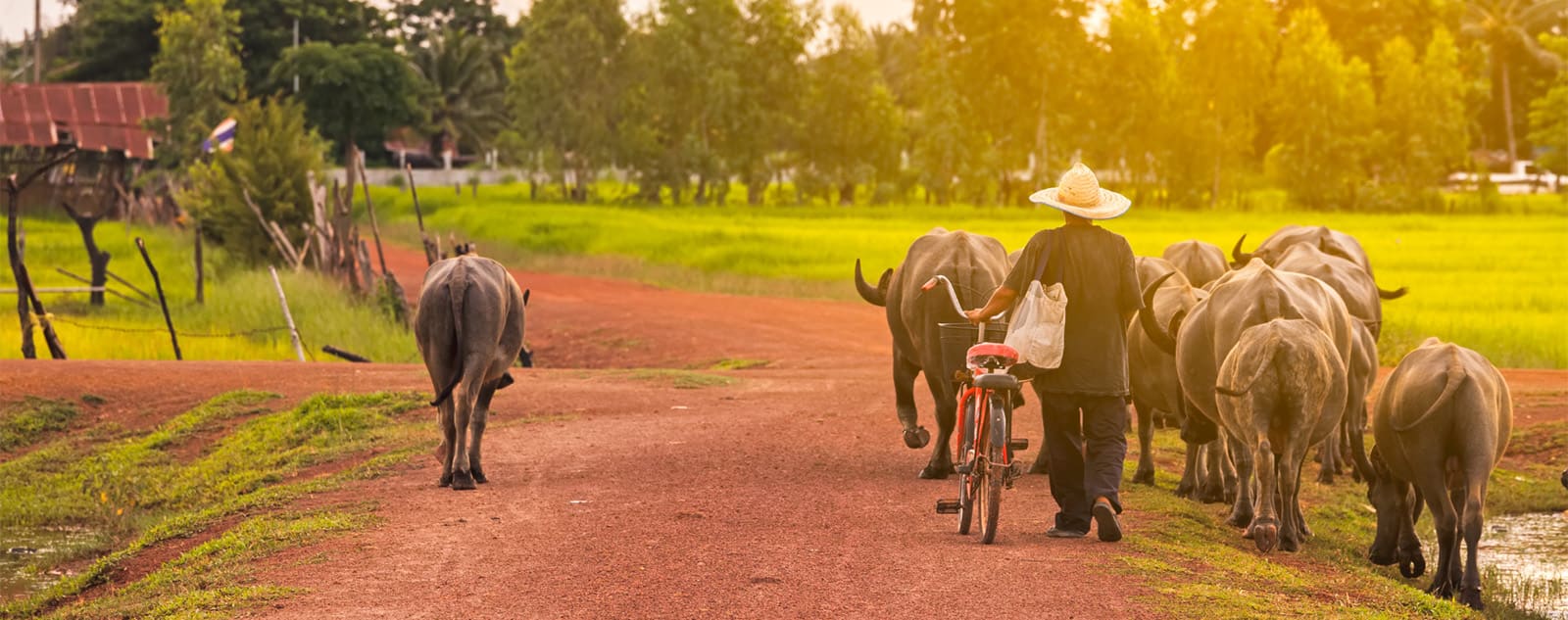
#VETSVolunteerVoices brings you stories of our passionate VETS program volunteers from the field. Meet Hiya Goyal, a Communications Advisor who spent five months in Laos (November 2025–March 2026) with our local partner, Health Poverty Action, strengthening communications and knowledge sharing while exploring how listening and storytelling can bridge gaps between policy, research, and community experience.
In many regions, the difference between a minor health issue and a serious condition comes down to whether care can be reached in time. This blog explores the practical barriers to veterinary access — from distance to disrupted systems — and what changes when care becomes available.