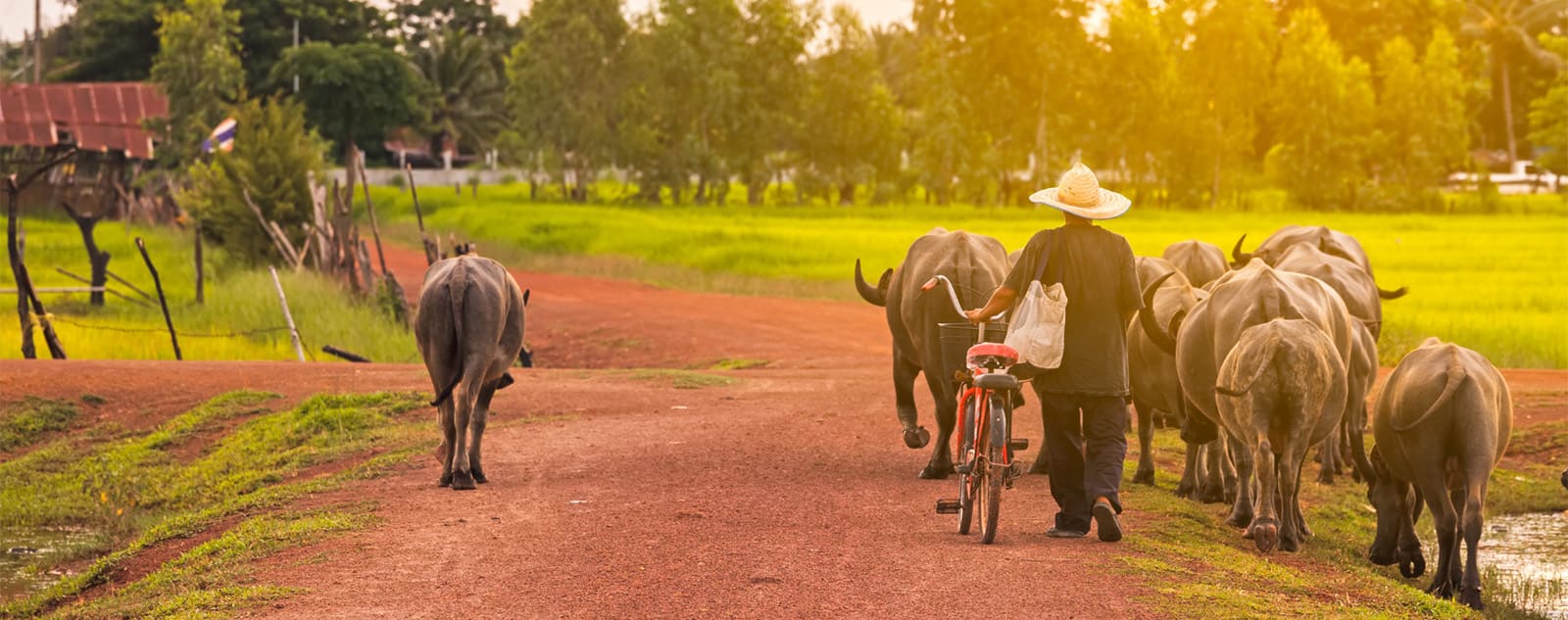
9 ways to keep your pets safe during wildfires
As wildfires become increasingly common across the globe, it's essential to have a well-thought-out plan to safeguard your non-human companions.

Learn how VWB's volunteers, partners, donors, and One Health initiatives are making a difference around the world.

As wildfires become increasingly common across the globe, it's essential to have a well-thought-out plan to safeguard your non-human companions.

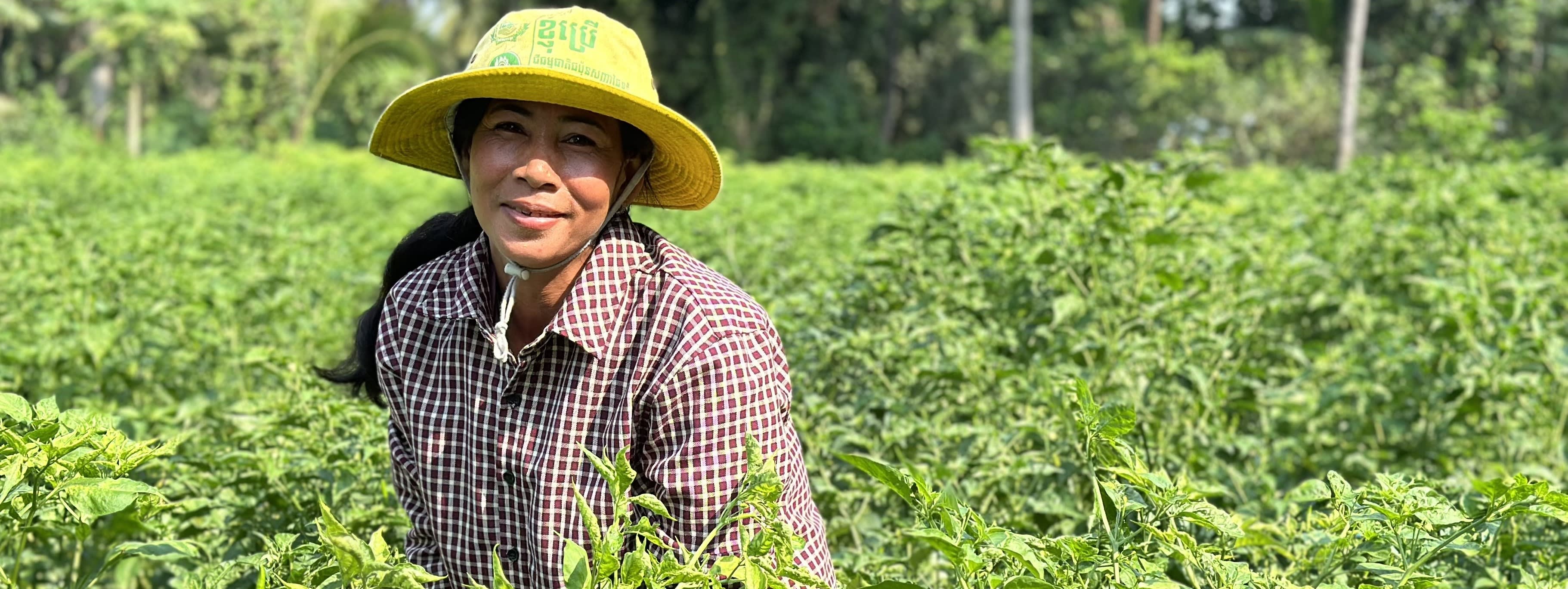
VWB/VSF's Head of Programs, Katherine Clark, visited Cambodia earlier this year to meet farmers who are participating in the AGROW program, which is supporting women in farming.

Enooyaq Sudlovenick, a PhD student, is researching the health of beluga whales in the face of climate change by combining Inuit and Inuvialuit knowledge with Western science.

Across Sub-Saharan Africa and Southeast Asia, VWB/VSF collaborates with local partners, tackling various diseases, including zoonotic threats like COVID-19, rabies, and anthrax, through farm animal vaccination campaigns. Recently, our VETS volunteers joined local partners in Ghana to help vaccinate sheep, goats, and cattle against anthrax.

Alumni VWB/VSF volunteer, Nicole Geddes, shares her insights and experiences volunteering as part of our Northern Animal Health Initiative.

Learn how Veterinarians Without Borders/Vétérinaires Sans Frontières and our alumni VETS volunteer, Nafhtari Wanjiku, have worked with local partners, and farmers like Ann Mwangi, in Kenya to promote sustainable dairy farming practices among small-scale farmers.

Elevated rainfall patterns are increasing the threat of RVF.

Keisha, Marley, and Sandra joined other animal health workers to vaccinate goats and sheep against PPR.

Meet Dr. Joseph Ansong-Danquah; a retired veterinarian from Canada who has been donating his time to help animals and communities throughout rural Ghana.

Happy Earth Day! As climate change progresses, VWB/VSF is dedicated to helping animals and communities affected by climate-related natural disasters.

On September 30, VWB joins Canadians in marking the National Day for Truth and Reconciliation and Orange Shirt Day. We reflect on the importance of listening, learning, and respectful relationships in our work alongside Indigenous communities in northern Canada, and share resources for continued learning.
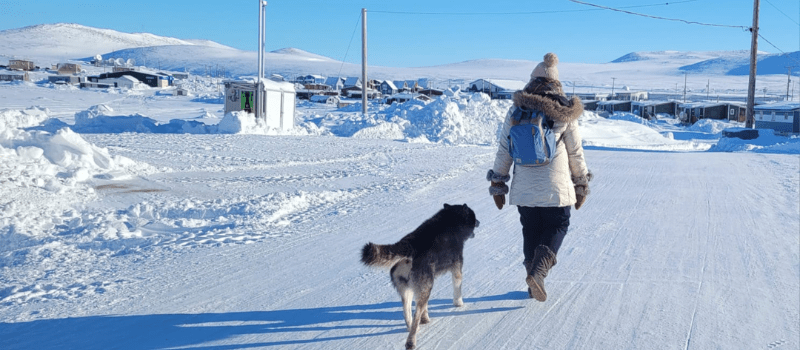
Watch a replay of our World Rabies Day 2026 webinar, which brought together perspectives from Alaska, Ukraine, and Laos to explore why rabies persists despite being preventable — and what stronger access, local capacity, coordination, and resilient animal and human health systems can contribute to progress toward ending human deaths from dog-mediated rabies by 2030.
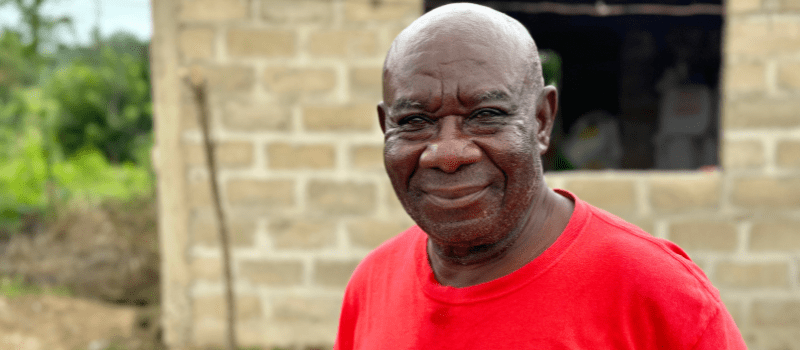
#VETSVolunteerVoices brings you stories of our passionate VETS program volunteers from the field. Meet Dr. Joseph Ansong-Danquah, a Ghanaian-Canadian veterinarian who has volunteered with VWB in Ghana since 2017. In 2026, Joseph is completing his final VETS placement after nine years of supporting farmers, communities, partner organizations and fellow volunteers across the country.