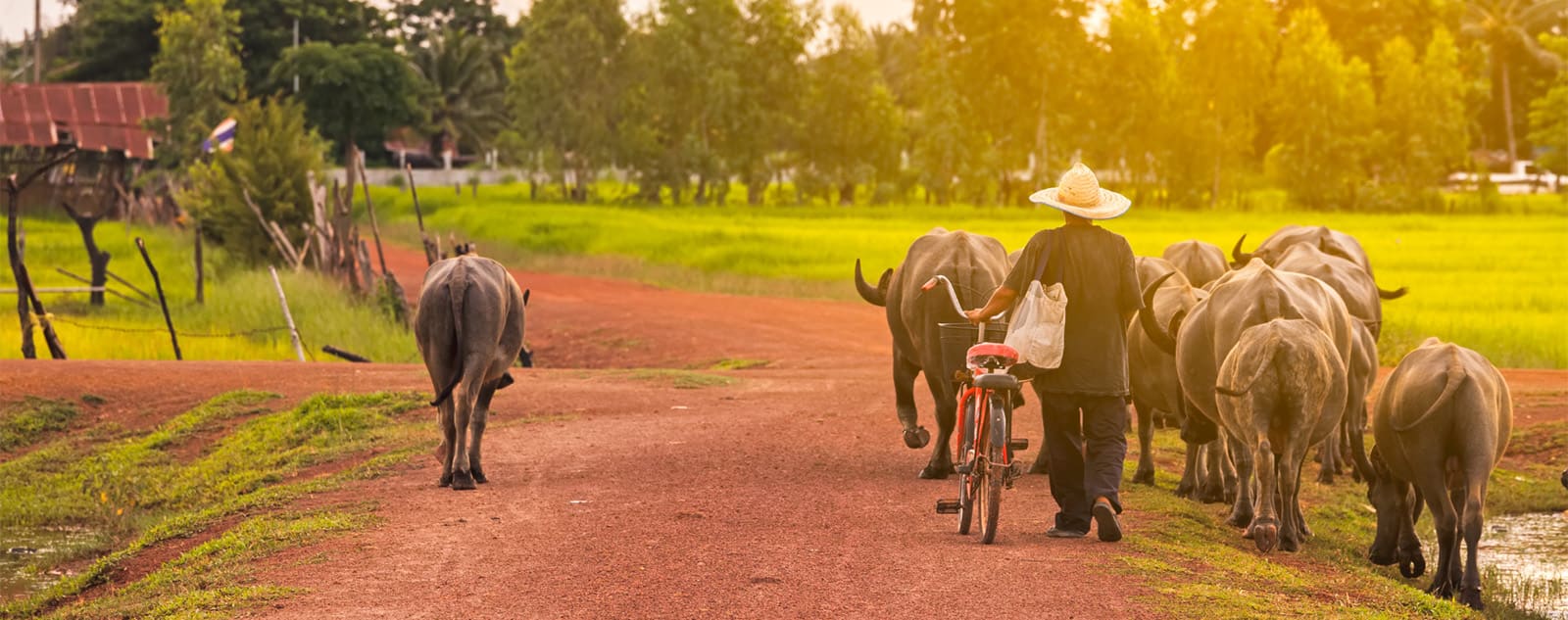
Our Young Volunteer Program (YVP) members, Keisha, Marley, and Sandra, are spending their summers in Ghana in support of our local partner, the Ghana Poultry Network (GAPNET). Based in rural agricultural areas throughout the country's northern regions, the three volunteers recently finished up their first week of a vaccine campaign for PPR (a viral disease affecting goats and sheep, among other ruminants). During this period, they helped to vaccinate about 800 goats and sheep between the communities of Doba and Kologo. The YVP team is learning how to give subcutaneous vaccinations and use the tattooer, (to indicate when animals have been treated), alongside local veterinarians, veterinary technicians, and community animal health workers.
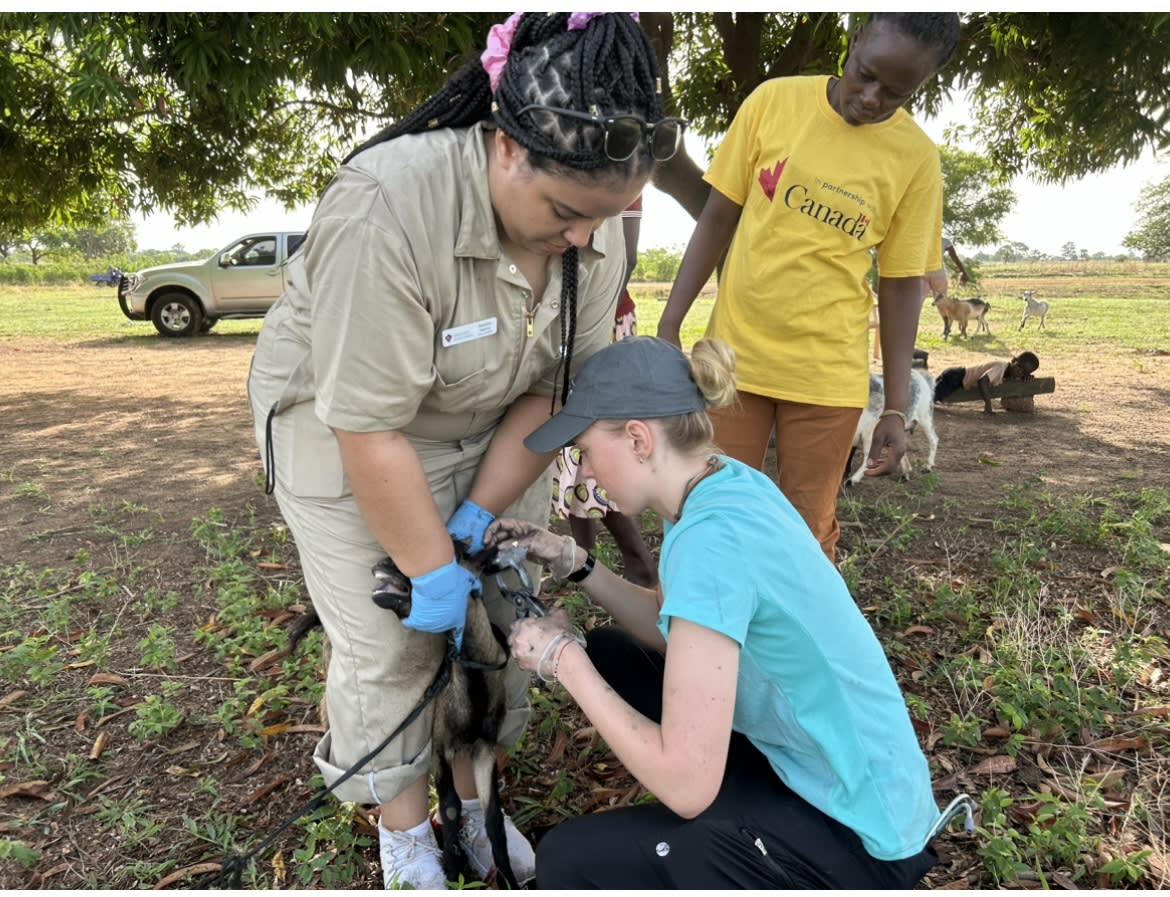 Keisha (left), Marley (middle), and a GAPNET team member (right), treating a goat in Ghana.
The Young Volunteer Program (YVP) is part our VETS project, a Volunteer Co-operation Program, funded by Global Affairs Canada, which is dedicated to improving the economic and social well-being of the world’s most marginalized people, particularly women and girls, in six countries in Africa and Asia.
Why is supporting animal health an important step in strengthening one health?
In Ghana, agriculture plays a crucial role in the nation's economy and the livelihoods of millions of people. The agricultural sector contributes significantly to GDP and employs a large portion of the population. One critical piece of agricultural development is ensuring the health and well-being of farm animals. Vaccinating farm animals is not only essential for safeguarding the economic stability of farmers, but also plays a vital role in ensuring food security for individuals.
Protecting Livestock Health
Farm animals, including cattle, poultry, sheep, and goats, are vulnerable to various diseases that can severely impact their health and productivity. Vaccinations provide a proactive defense against infectious diseases, reducing the risk of outbreaks and preventing the spread of illnesses among animal populations. By vaccinating farm animals, farmers can protect their livestock from common diseases such as foot-and-mouth disease, Newcastle disease, brucellosis, and many others. Healthy animals are more productive, have higher growth rates, and produce better quality products, leading to increased profitability for farmers.
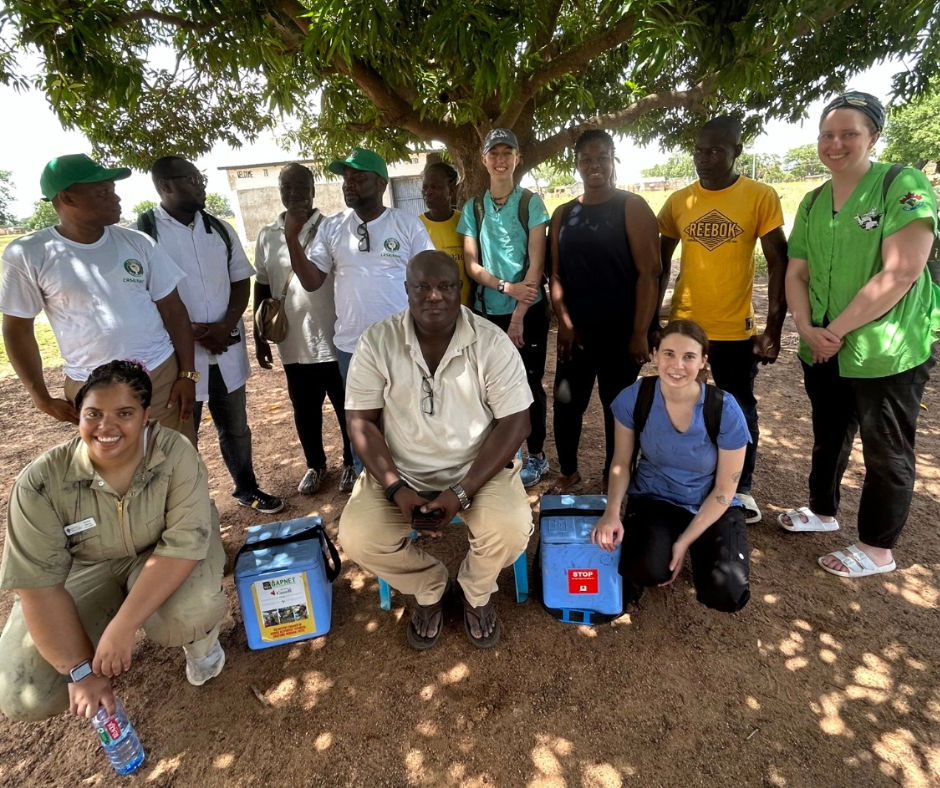
The YVP team with local GAPNET health workers and animal health kits.
Disease Prevention
In addition to individual farm benefits, widespread vaccination programs promote disease prevention. Vaccines help create a barrier against the introduction and spread of infectious diseases among livestock populations. By minimizing disease transmission, farmers can avoid devastating outbreaks that could lead to significant economic losses and disruption of food supply chains. Protecting animals from disease also helps to spread zoonotic diseases from animals to people.
Enhanced Productivity and Economic Stability
Vaccinating farm animals in Ghana can lead to improved productivity and enhanced economic stability for farmers. Vaccines effectively reduce the occurrence and severity of diseases, preventing costly treatments and losses due to animal mortality. Healthy animals are more likely to meet market demands, as they can produce higher quantities of products, for example eggs and milk. Furthermore, vaccinated animals have improved reproductive performance, resulting in increased breeding rates and healthier offspring.
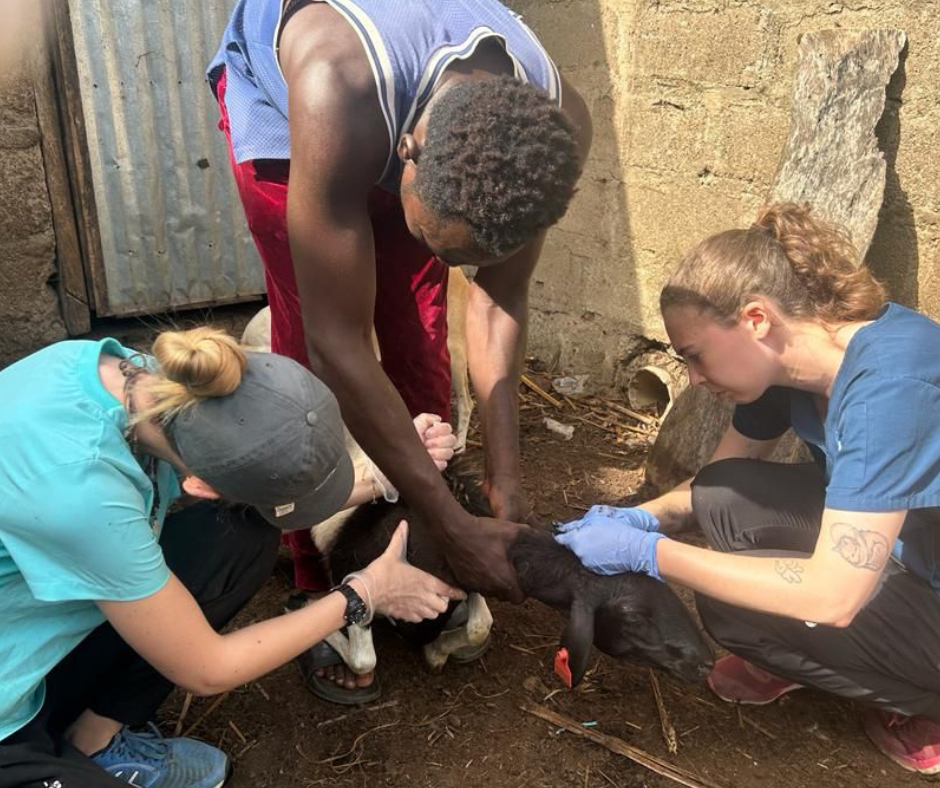
Marley (left), a local animal health worker (middle), and Sandra (right) helping to vaccinate a goat.
Strengthening Food Security
Vaccinating farm animals can also play a pivotal role in ensuring food security for individuals and the nation as a whole. By protecting livestock from diseases, vaccinations help maintain a stable supply of animal-derived products, including meat, milk, and eggs. Access to safe and nutritious animal protein is essential for meeting the dietary needs of Ghanaians, contributing to their overall well-being. Moreover, a consistent supply of animal products helps stabilize food prices, making them more affordable and accessible to all segments of the population.
Sustainable Agriculture and Poverty Alleviation
By promoting animal health, vaccinations support sustainable farming practices that reduce the reliance on antibiotics and other treatments. This fosters environmental sustainability, reduces the risk of antimicrobial resistance, and safeguards the long-term viability of the agricultural sector. Additionally, by improving the economic stability of farmers, vaccinations contribute to poverty reduction and rural development, creating employment opportunities and enhancing the overall standard of living in farming communities.
Interested in becoming a volunteer with our VETS program? We're recruiting volunteers! Take a look at our current opportunities here. The VETS program is generously funded by Global Affairs Canada.