Truth, Reconciliation and Decolonization | Veterinarians Without Borders
Skip to Main Content

Truth, Reconciliation and Decolonization

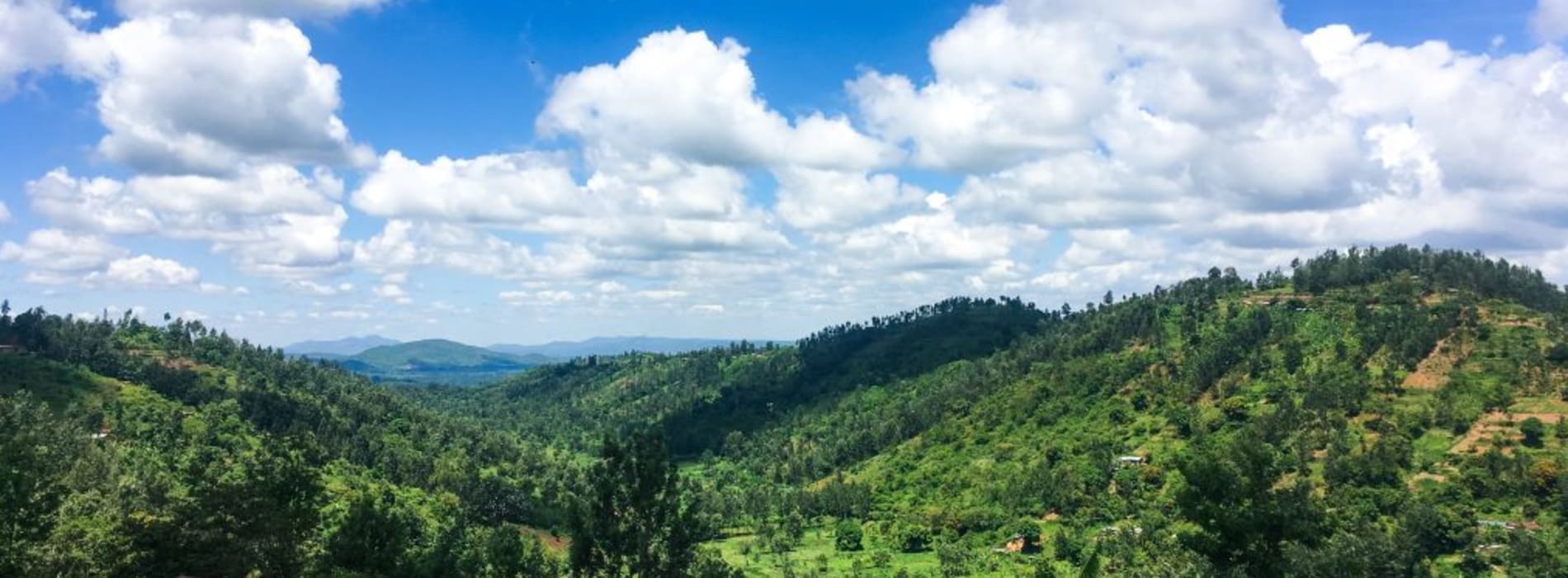
Landscape shot of hilly Kenyan countryside with blue skies and fluffy clouds.Our commitment to learning from and working alongside Indigenous communities, valuing Indigenous knowledge and advancing truth, reconciliation and decolonization in our work.

Our Commitment:

Veterinarians Without Borders North America (VWB) board members, staff, volunteers, donors and supporters live and work on the traditional territories of First Nations, Inuit and Métis Peoples from coast to coast to coast. Our Canadian office is situated on the unceded and unsurrendered territory of the Anishinaabe Algonquin Nation, whose presence here reaches back to time immemorial. In the U.S., our head office is located on the traditional lands of the Onondaga and Haudenosaunee Nations.

Through our Northern Animal Health Initiative, VWB staff and volunteers work alongside remote communities, including Indigenous communities, across Nunavut and the Northwest Territories. We are grateful for the opportunity to work and collaborate on these lands and are committed to building relationships with Indigenous Peoples grounded in mutual respect, dignity, trust and cooperation.

Our responsibility to examine colonial histories and their ongoing impacts also extends to our international work. Across Africa, Asia and Eastern Europe, we work with communities and local partners to strengthen animal health systems through participatory and locally led approaches. As an international cooperation organization, we recognize the importance of examining how colonial legacies continue to shape the sector and the contexts in which we work, and of ensuring that local and Indigenous knowledge informs our approaches.

Across our programs, we strive to listen first, respect local priorities and knowledge, and ensure that communities have a meaningful role in shaping the work that affects them. We are committed to continued learning and to taking seriously the Truth and Reconciliation Commission of Canada’s Calls to Action, the United Nations Declaration on the Rights of Indigenous Peoples (UNDRIP), and other relevant frameworks that can inform our work.

We are committed to:

  • Ensuring Indigenous stakeholders — including community members, organizations and Indigenous governments — are meaningfully included in conversations, planning and decision-making.
  • Identifying and reducing barriers to participation in our programs for Indigenous Peoples and communities.
  • Valuing local and Indigenous knowledge and ways of knowing, and ensuring diverse perspectives can inform program activities and approaches.
  • Strengthening organizational and programmatic approaches that respect Indigenous knowledge and support active partnership and participation.
  • Maintaining ongoing dialogue with Indigenous communities and continuing to learn how our work can contribute to reconciliation.

An Ongoing Commitment:

We recognize that this work is ongoing and that we have more to learn. Our approach will continue to evolve as we listen, reflect and remain accountable to the communities and partners with whom we work.

VWB’s original land acknowledgement and organizational commitment to truth, reconciliation and decolonization were developed with the support of Evan Matchett-Wong, a member of Cold Lake First Nation in Treaty 6 Territory and a local community resource on land acknowledgement development.

<< VWB Policies & Organizational Commitments

Stories From Around The World

National Day for Truth and Reconciliation: A Time to Listen, Learn and Reflect

National Day for Truth and Reconciliation: A Time to Listen, Learn and Reflect

Posted Sep 24th, 2026

On September 30, VWB joins Canadians in marking the National Day for Truth and Reconciliation and Orange Shirt Day. We reflect on the importance of listening, learning, and respectful relationships in our work alongside Indigenous communities in northern Canada, and share resources for continued learning.
Read more

World Rabies Day 2026 Webinar: Rabies is Preventable - so, What’s Stopping Us?

World Rabies Day 2026 Webinar: Rabies is Preventable - so, What’s Stopping Us?

Posted Sep 11th, 2026

Register now for our World Rabies Day 2026 webinar, bringing together perspectives from Alaska, Ukraine, and Laos to explore why rabies persists despite being preventable — and what stronger access, local capacity, coordination, and resilient animal and human health systems can contribute to progress toward ending human deaths from dog-mediated rabies by 2030.

Read more

VETS Volunteer Voices: The Doctor Who Kept Coming Back to Ghana

VETS Volunteer Voices: The Doctor Who Kept Coming Back to Ghana

Posted Sep 3rd, 2026

#VETSVolunteerVoices brings you stories of our passionate VETS program volunteers from the field. Meet Dr. Joseph Ansong-Danquah, a Ghanaian-Canadian veterinarian who has volunteered with VWB in Ghana since 2017. In 2026, Joseph is completing his final VETS placement after nine years of supporting farmers, communities, partner organizations and fellow volunteers across the country.

Read more

  • I have seen first-hand the benefits of capacity building and gender empowerment for smallholder livestock farmers, and stakeholders in the livestock sector.
    - Dr. Shauna Richards

Become A Part Of The Big Picture

By supporting Veterinarians Without Borders through donations or volunteering, you become part of the Big Picture solution. 

Volunteer  Donate  

+1(343) 633-0272 Contact