Antimicrobial resistance (AMR) has been recognized as a major global health threat for years, driving international commitments, national action plans and growing investment in surveillance, stewardship and prevention. Progress has been made — but not equally across countries, sectors or health systems, and translating policy commitments into sustained change remains a significant challenge. This World AMR Awareness Week webinar will take stock of where the global response to AMR stands today through a One Health lens. Drawing on experience across human, animal and environmental health, panelists will examine approaches that are making a tangible difference, where implementation continues to fall short and why, and what must happen next to accelerate progress. The discussion will also explore how practices and decisions across human, animal and environmental health affect one another — and why meaningful, lasting progress on AMR requires coordinated action across all three.
LIVE WEBINAR: Tuesday, November 24th @ 12pm-1pm EST
>> Register Now <<
MEET THE PANEL:
Saba Tariq One Health Surveillance Specialist (Pakistan)
Saba is a One Health Surveillance Specialist and microbiologist with a decade of experience in antimicrobial resistance (AMR) surveillance, laboratory systems strengthening and public health. She has contributed to Pakistan's national AMR response through international development programmes, including the UK Aid-funded Fleming Fund Country Grant. Her work has focused on strengthening national AMR surveillance, improving laboratory capacity, advancing multisectoral One Health coordination and supporting environmental AMR surveillance. She also developed the proposal for a Clinical Engagement Programme that received the 2022 AMR Industry Alliance Stewardship Prize for advancing antimicrobial stewardship in Pakistan.
In this webinar, Saba will draw on her experience strengthening Pakistan's AMR response to explore what is working in practice — from improving laboratory capacity and surveillance systems to advancing antimicrobial stewardship and environmental monitoring. She will examine the approaches and partnerships helping to drive progress, the lessons emerging from these initiatives, and what they may offer for strengthening AMR action in other contexts.
Nicolás Winter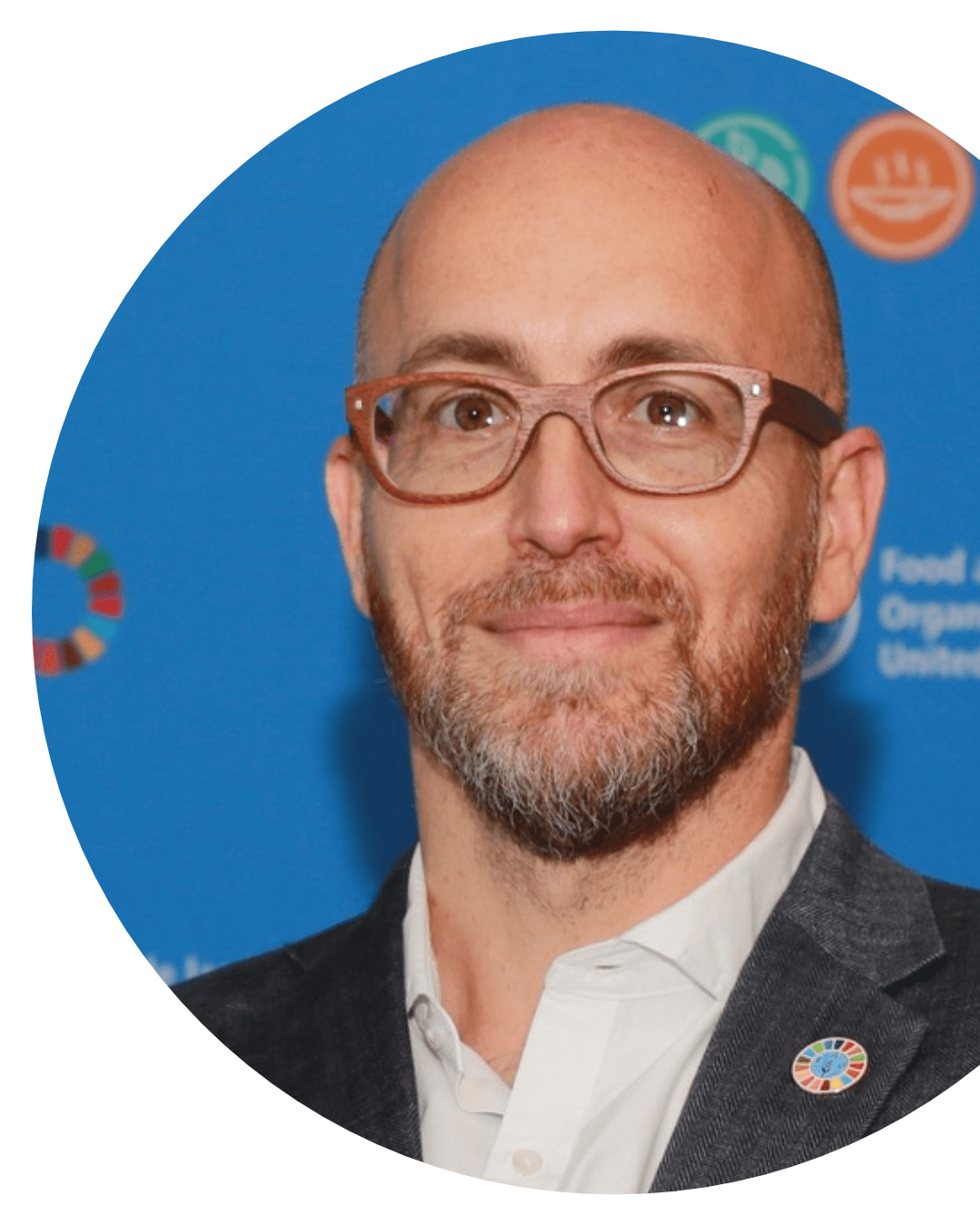 Animal Health Specialist, Food and Agriculture Organization of the United Nations (FAO) – Regional Office for Latin America and the Caribbean
Nicolás is a veterinarian with a master’s degree in public health and extensive experience in animal health, food safety, antimicrobial resistance (AMR), and One Health. He currently serves as an Animal Health Specialist with the Food and Agriculture Organization of the United Nations (FAO) Regional Office for Latin America and the Caribbean. Previously, Nicolás held leadership and management positions at Argentina’s National Service for Agrifood Health and Quality (SENASA) and Ministry of Agriculture. His work has focused on the development and implementation of public policies, strengthening veterinary services, and advancing international technical cooperation across the region.
In this webinar, Nicolás will draw on his experience across Latin America and the Caribbean to explore why translating AMR commitments into practice remains a challenge — from gaps in veterinary services and diagnostic capacity to the realities of antimicrobial use, surveillance, and resource constraints. He will examine what stands in the way of effective implementation and what can be learned from these challenges to strengthen the One Health response to AMR.
Dr. André N.H. (Andy) Bulabula  Research Associate, Global Strategy Lab
André is a physician and clinical epidemiologist with over 15 years of international experience in antimicrobial resistance (AMR), infection prevention and control (IPC), legal epidemiology and health systems governance. He is a Research Associate at Global Strategy Lab and has previously held senior positions with Africa CDC, ICAP at Columbia University and Stellenbosch University. His work includes leading a continent-wide legal epidemiology study that informed the Africa CDC IPC Legal Framework. He has also contributed to the 2024 Lancet AMR Series and multiple WHO guideline development groups. An author of more than 40 peer-reviewed publications, his work focuses on translating research into practical, equity-focused health policies.
In this webinar, Andy will draw on his experience in antimicrobial resistance, infection prevention and control, and health systems governance to explore what needs to change to accelerate meaningful AMR action. Drawing on lessons from Africa and international research, he will examine how stronger governance, legal frameworks and institutional accountability can help translate evidence and commitments into sustained practice — and what these lessons mean for advancing a more coordinated and equitable One Health response.