






Northern Animal Health Initiative | Veterinarians Without Borders
Skip to Main Content

Northern Canada

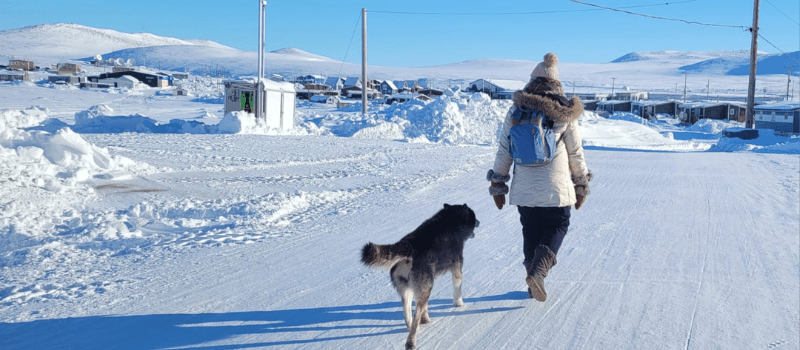
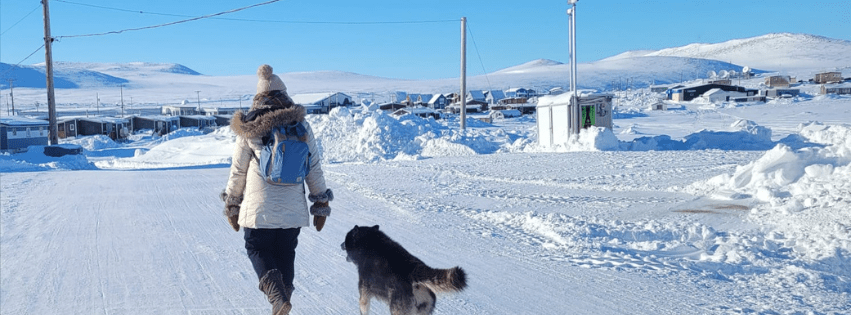
VWB's Northern Animal Health Initiative aims to improve animal health in Canada's North by providing services for underserved communities across Nunavut and the Northwest Territories. 

Northern Animal Health Initiative (NAHI)

Goal: To build capacity for animal health care across Canada's North by providing veterinary clinics and training to remote communities that have no access to veterinary professionals. In doing so, we aim to help strengthen the health of both community members and domesticated animals living in Canada's territories.

Location: Northwest Territories and Nunavut

Groups We Work With: Remote communities, including Indigenous communities, across northern Canada. VWB works with each community on an invite-only basis. 

The Situation

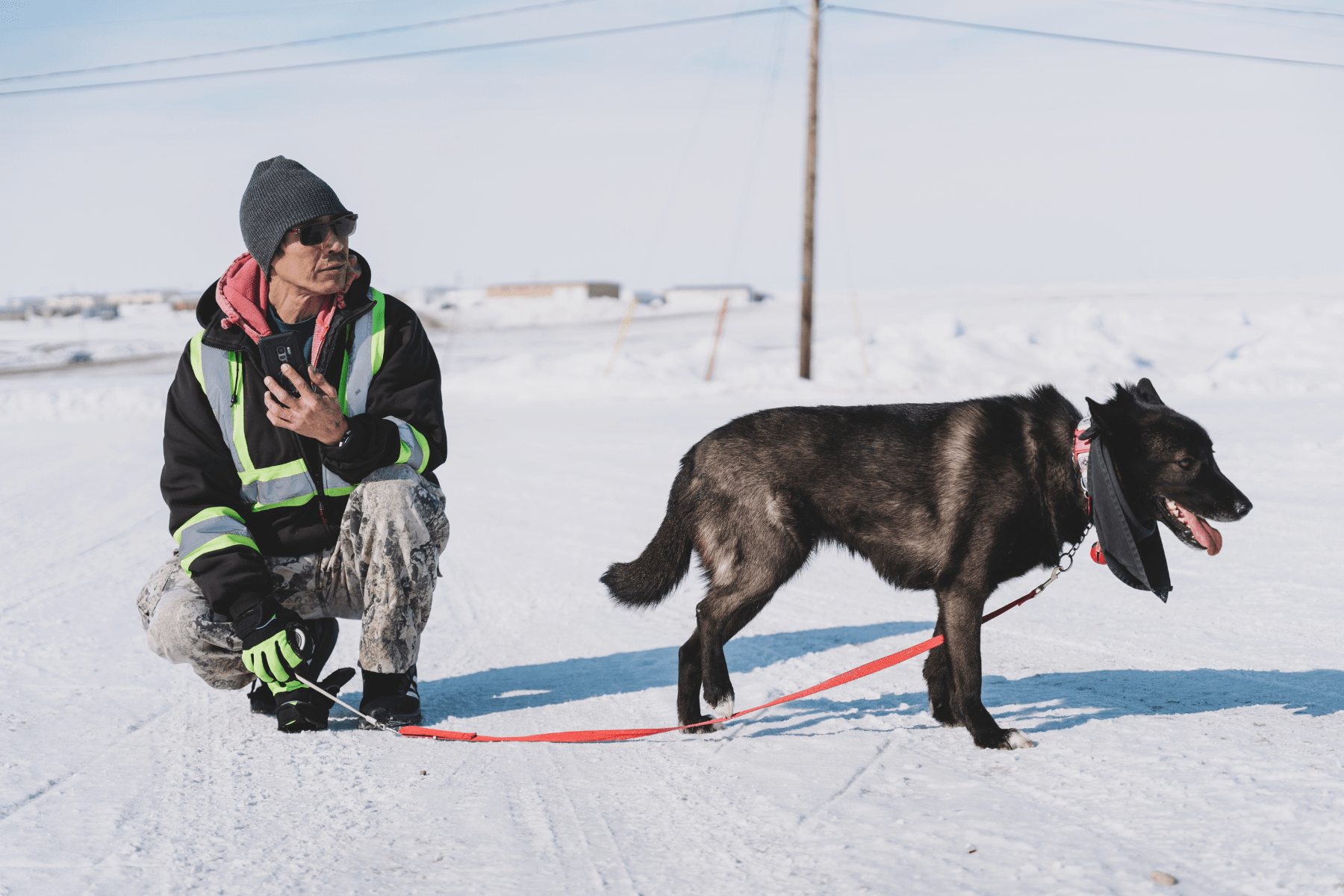
Those who live in large urban communities in North America are fortunate to have access to veterinary professionals who can provide our animals with care, including vaccinations, spay/neuter surgeries, and general care when our animals are injured or sick. For the majority of pet guardians across Canada's remote North, these services are simply unavailable.

In fact, a 2017 study conducted on behalf of VWB/VSF found 54 remote communities of 100 or more people in Canada’s three northern territories had little or no access to veterinary services. In the entire territory of Nunavut, there is not a single veterinary office. 

What We Are Doing

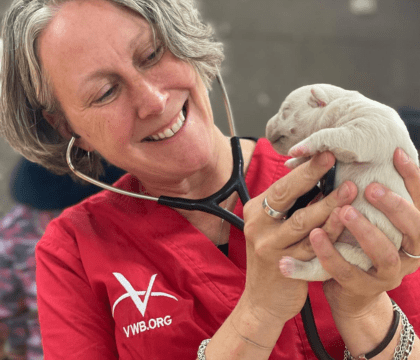
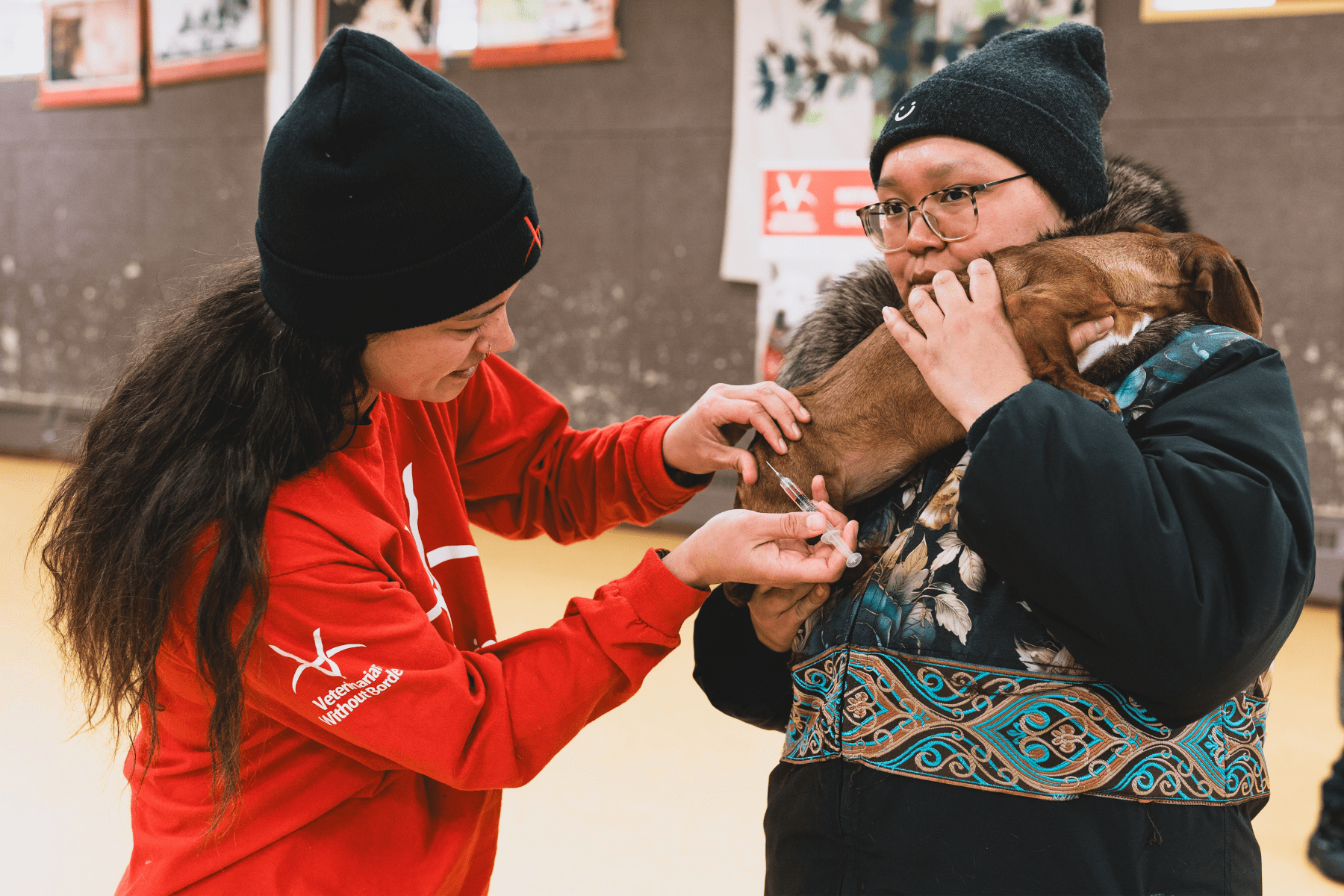
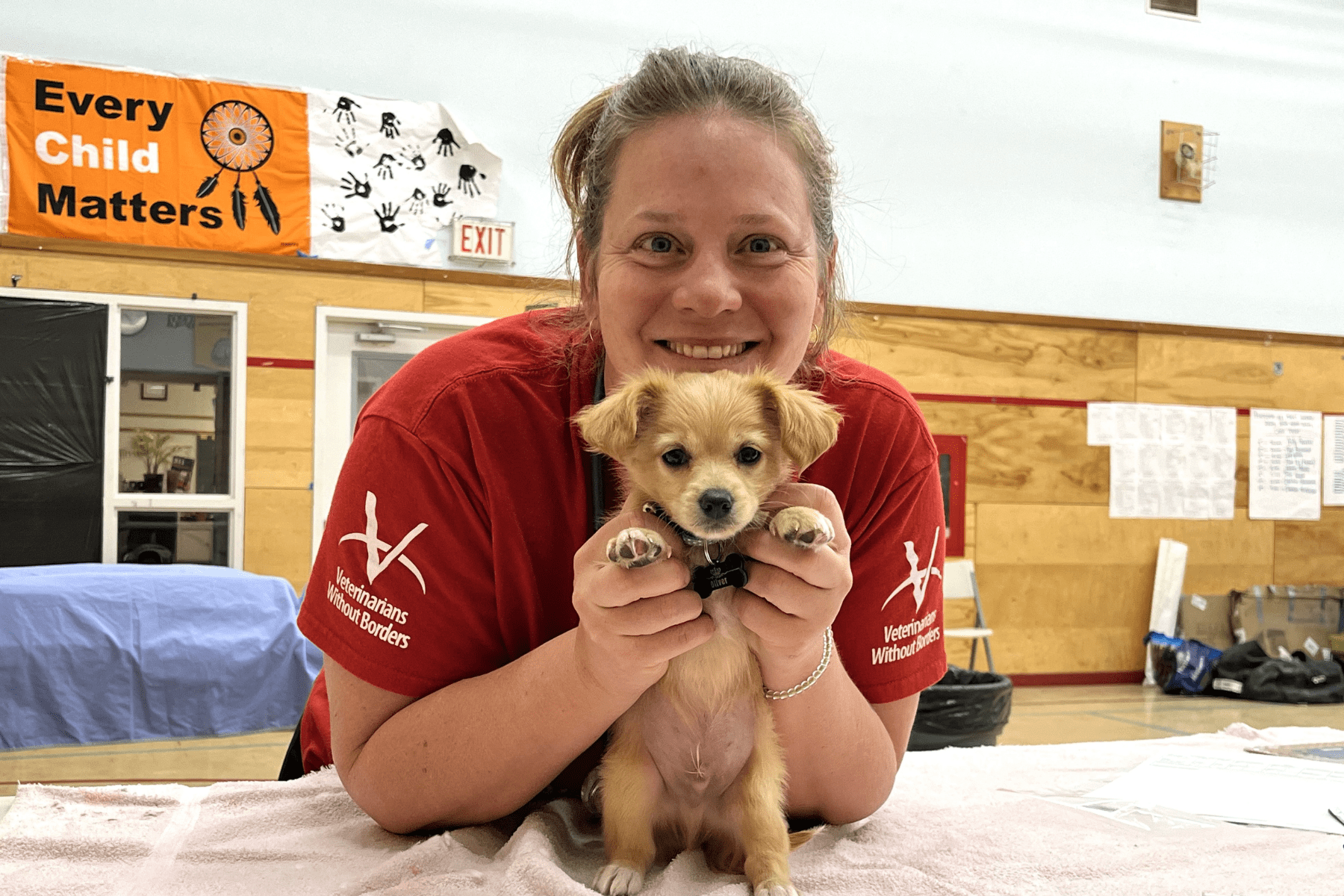
VWB uses the One Health model to partner with remote communities in the Canadian territories upon their invitation. We work with each community to identify needs and build a plan with community representatives to build local capacity to address animal care needs year-round. This includes offering temporary veterinary clinics with a team of volunteers.

While at these clinics, we offer:

  • Vaccinations against deadly diseases, including rabies
  • Spay and neuter surgeries
  • Consultations with pet guardians/animals and general veterinary check ups
  • Community training programs, including pet first aid and lay vaccinators

Sustainable Veterinary Care

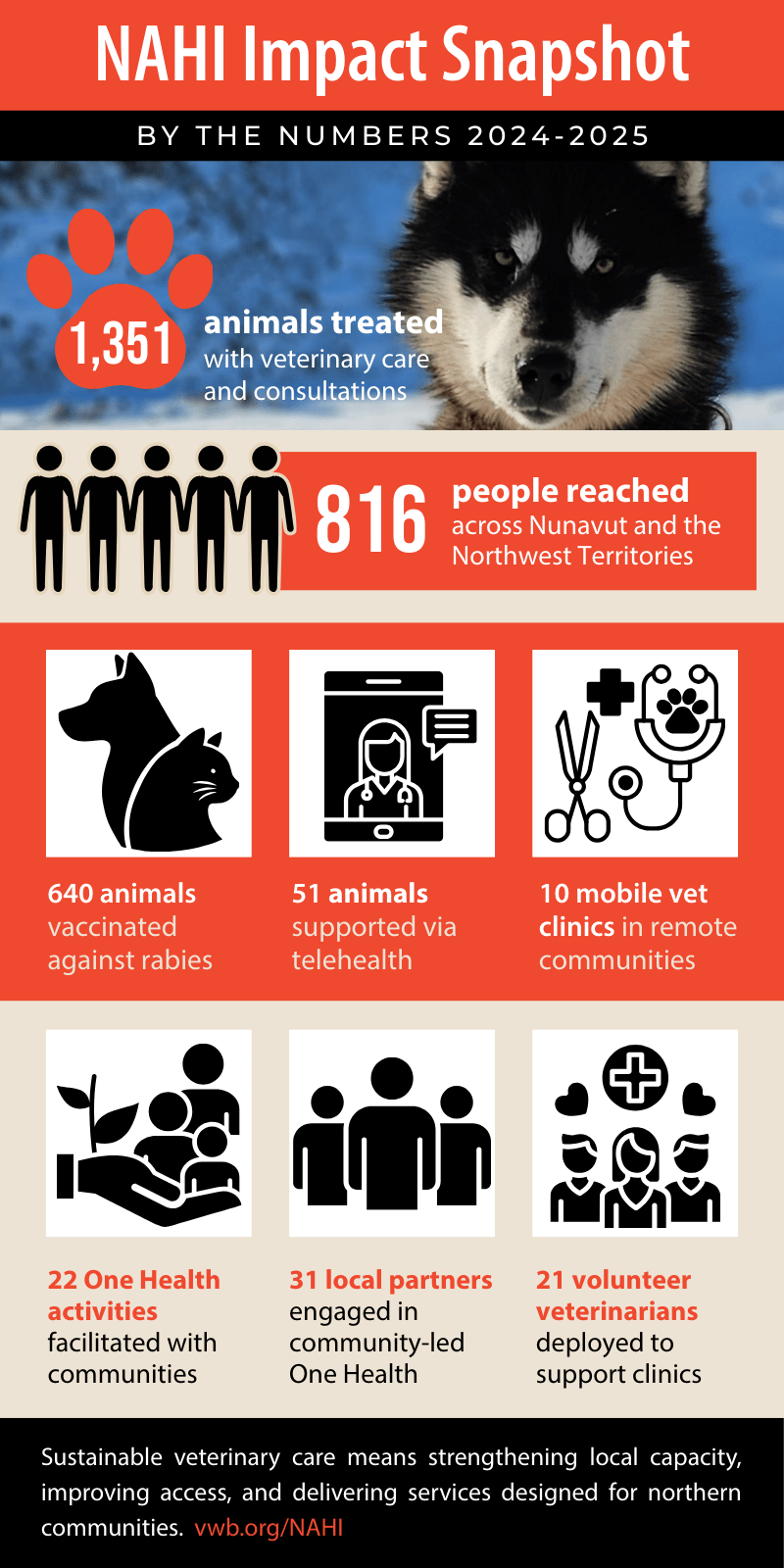
Sustainable veterinary care means more than flying in veterinarians once a year. Community members trained in certain procedures, access to telemedicine, and other solutions tailored for specific communities are essential components of sustainability.

Click the infographic to download / enlarge it.

Resources for Northern communities

Meet Our NAHI Program Partners:
VWB’s northern work is made possible thanks to the generous support of these incredible partners.

canadian north

margolis foundation lgoo

NWT SPCA Logo

Elenco Canada Logo

Zoetis Canada Logo

Boehringer Ingelheim Logo

  • The Angel Gabriel Foundation
  • The James A. And Donna-Mae Moore Foundation
  • Benson Medical Supplies

« Go Back

Stories From Around The World

VETS Volunteer Voices: Returning to Kenya to Grow Sustainable Dairy Solutions

VETS Volunteer Voices: Returning to Kenya to Grow Sustainable Dairy Solutions

Posted May 27th, 2026

#VETSVolunteerVoices brings you stories of our passionate VETS program volunteers from the field. Meet Donald Hilborn, an Agricultural Advisor from Ontario who recently completed his third VETS placement in Kenya (March–April 2026) with our local partner, Meru Dairy, supporting small-scale dairy farmers in building more sustainable and resilient feeding systems.

Read more

Healthy Rangelands, Healthy Communities: Biodiversity Beyond Wilderness

Healthy Rangelands, Healthy Communities: Biodiversity Beyond Wilderness

Posted May 21st, 2026

In recognition of International Day for Biological Diversity 2026, VWB reflects on how healthy rangelands, community-led animal health systems, and pastoralist knowledge help sustain resilience across working landscapes worldwide.

Read more

Inside the Household: How Gender Integration Is Strengthening One Health in Senegal

Inside the Household: How Gender Integration Is Strengthening One Health in Senegal

Posted May 13th, 2026

Based on field insights from Senegal, this blog examines how VWB’s COHERS program is helping drive early gender-transformative change at the household level — reshaping who decides, who acts, and how families respond to risks affecting both human and animal health.

Read more

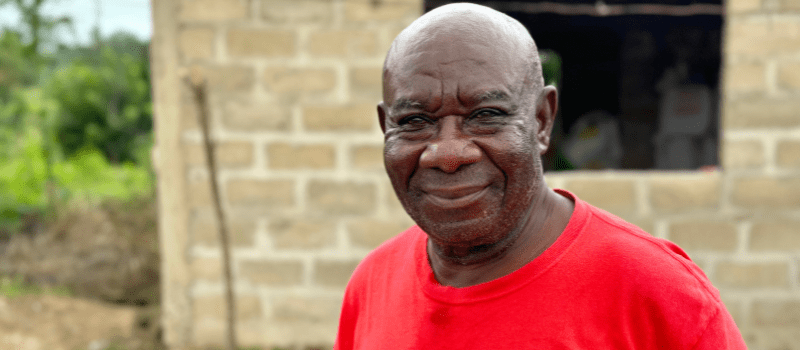
  • My voluntary assignments in Ghana for the past three years have dramatically improved animal production in terms of reducing mortality and increasing the size of the herd/flock.
    - Joseph Ansong-Danquah

Become A Part Of The Big Picture

By supporting Veterinarians Without Borders through donations or volunteering, you become part of the Big Picture solution. 

Volunteer  Donate  

+1(343) 633-0272 Contact