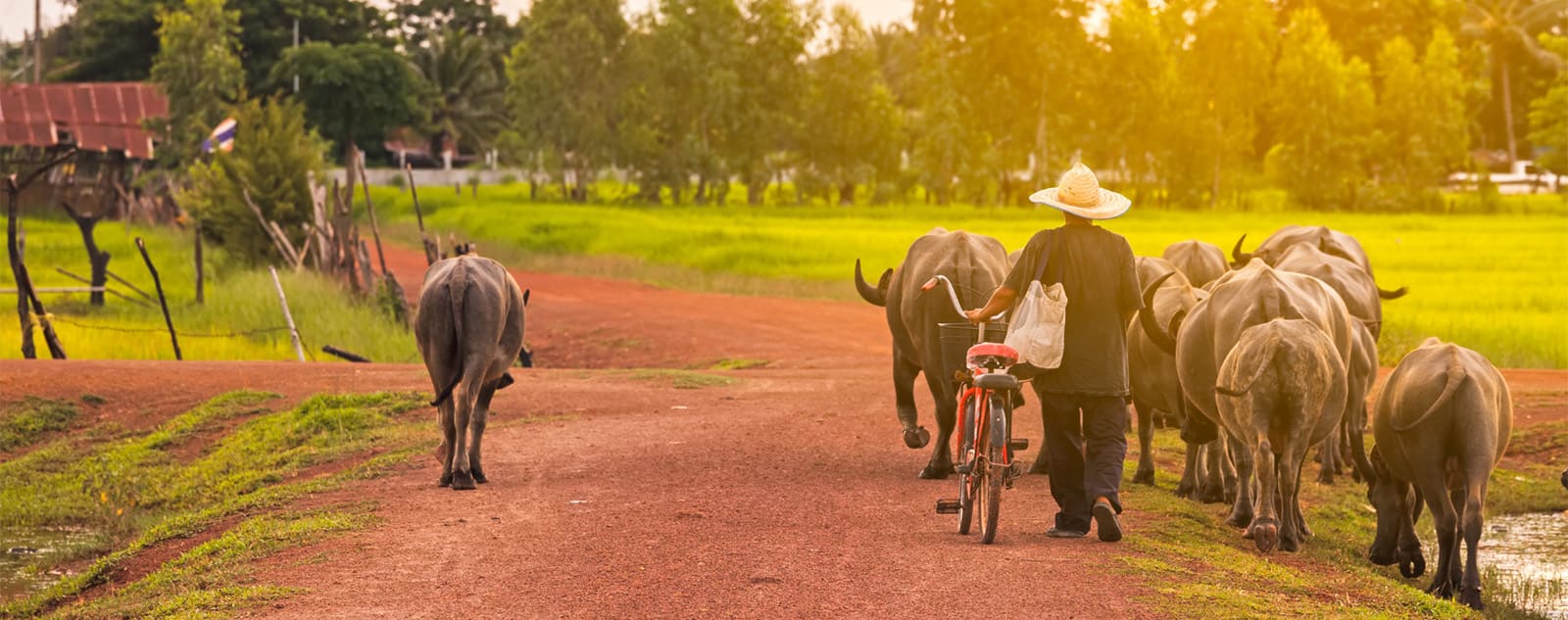
Building Resilience in the Face of COVID-19
Kavitha Sriparamananthan shares insight into their role as a Gender Advisor in Vietnam at the Institute of Environmental Health and Sustainable Development.

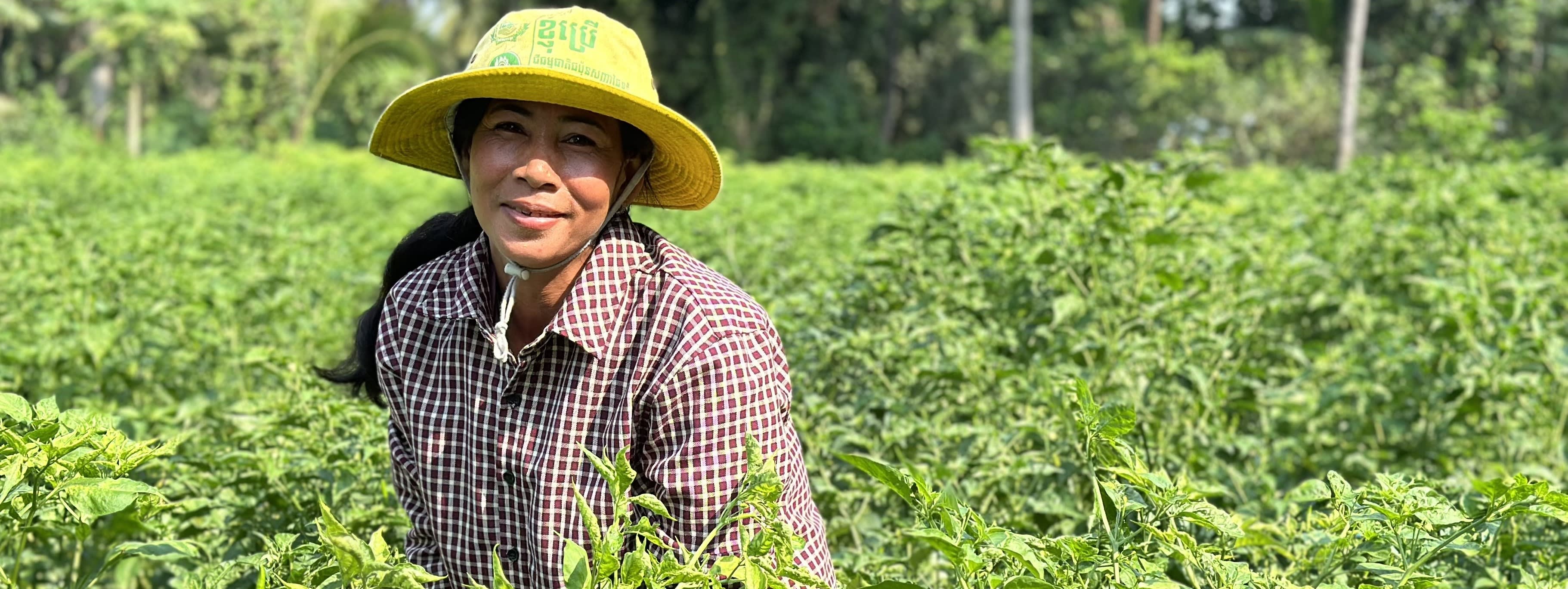
Learn how VWB's volunteers, partners, donors, and One Health initiatives are making a difference around the world.

Kavitha Sriparamananthan shares insight into their role as a Gender Advisor in Vietnam at the Institute of Environmental Health and Sustainable Development.

A national VETS volunteer, Ebenezer Ghamli, shares his experience teaching rural communities in Ghana about COVID-19 safety.

Volunteer Nikki Sheedy shares her experience in Uganda as a second-time volunteer with Veterinarians Without Borders.

Volunteer Shauna Richards shares her insight on the importance of the work Veterinarians Without Borders is doing, especially in light of the COVID-19 pandemic.

Dr. Janna Schurer shares her experience working in Vietnam and creating a network of scientists with a focus on managing the threats of disease emergence.

Dr. Joseph Ansong-Danquah explains the importance of on-the-ground volunteer work that supports farmers engaged in animal production in Ghana.

Four Canadian volunteers share the story of their first week with Veterinarians Without Borders in Meru, Kenya.

In recognition of World AMR Awareness Week 2026 (November 18–24), this article explores an often-overlooked dimension of antimicrobial resistance: what happens to antibiotics after they are used. By examining how antibiotic residues, resistant bacteria and resistance genes move through water and interconnected environmental systems, it considers the implications for One Health surveillance, pollution prevention and antimicrobial stewardship that extends beyond the point of use.

In this edition of Ask an Expert, we spoke with veterinarian Dr. Elena Garde, whose career has spanned wildlife disease research, zoonotic disease, disaster response and community-based animal health across Canada, Latin America and beyond.
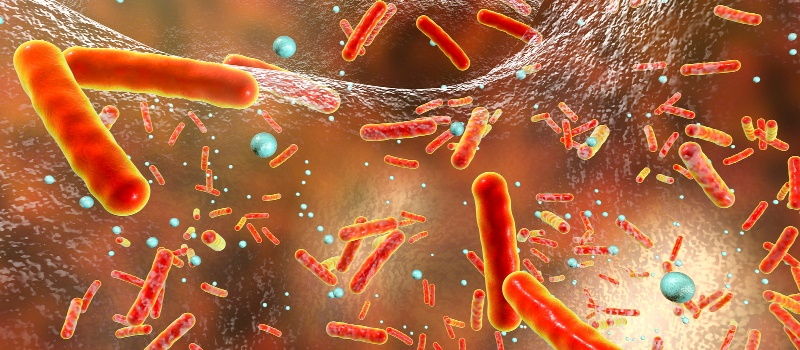
Register now for our World AMR Awareness Week 2026 webinar, which brings together experts in antimicrobial resistance (AMR), animal health, and One Health to examine where progress is being made in the global response to AMR, why gaps persist between policy commitments and implementation, and what stronger coordination across human, animal, and environmental health can contribute to meaningful, lasting change.