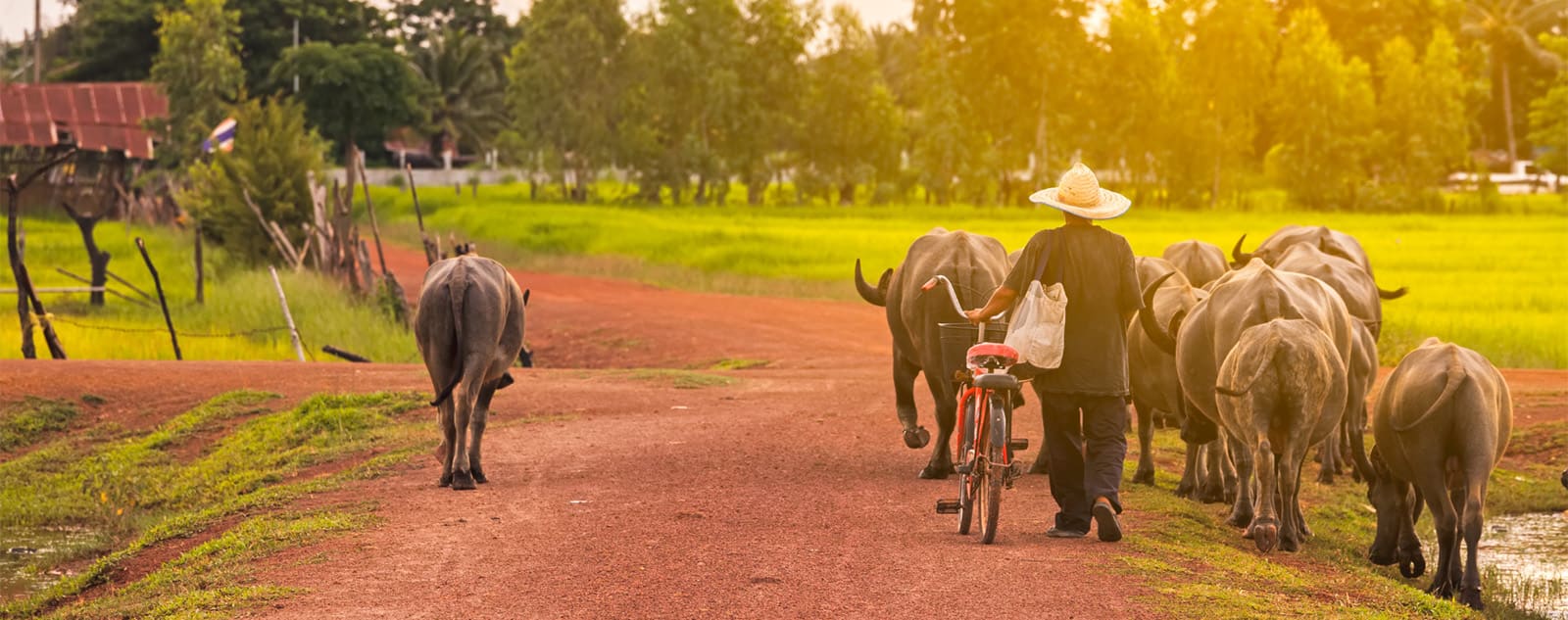
As threat of Rift Valley Fever grows across Sub-Saharan Africa, vaccinations can prevent spread across animal & human populations
Elevated rainfall patterns are increasing the threat of RVF.


Elevated rainfall patterns are increasing the threat of RVF.

On International Women's Day, we take a look at five ways that VWB/VSF is working with women in farming and agriculture, worldwide, to help them address food security in their communities.

In Moli Tokuro Boma of Pageri Payam, which is located in Magwi County in Eastern Equatoria State, the project supported a group of beneficiaries, among them Mrs. Lemia Alice who is a 43-year-old single mom of seven children, four girls and three boys. She and her family returned from refuge in Uganda two years ago. Life has not been easy in the camps, which is why she decided to spontaneously move back home.

Veterinarians Without Borders/Vétérinaires Sans Frontières Canada and our local partner, BaseNet, recently implemented a 10-month research project titled, "Edible insect farming for improved nutrition and incomes in South Sudan". The project was generously funded by Global Affairs Canada's Fund for Innovation and Transformation (FIT) Program. It was developed on the basis that edible insect farming has the potential to mitigate the affects of malnutrition and gender-related challenges, and t...

South Sudan is experiencing the worst hunger crisis ever; people eat leaves and wild fruits to survive. If we don’t respond to their immediate needs, we are going to see more catastrophes.

On September 30, VWB joins Canadians in marking the National Day for Truth and Reconciliation and Orange Shirt Day. We reflect on the importance of listening, learning, and respectful relationships in our work alongside Indigenous communities in northern Canada, and share resources for continued learning.
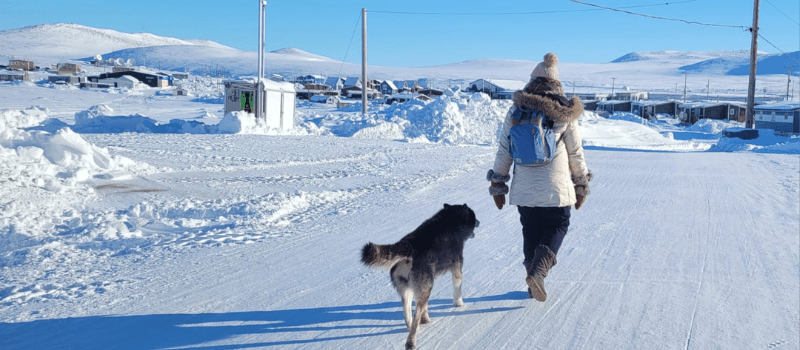
Watch a replay of our World Rabies Day 2026 webinar, which brought together perspectives from Alaska, Ukraine, and Laos to explore why rabies persists despite being preventable — and what stronger access, local capacity, coordination, and resilient animal and human health systems can contribute to progress toward ending human deaths from dog-mediated rabies by 2030.
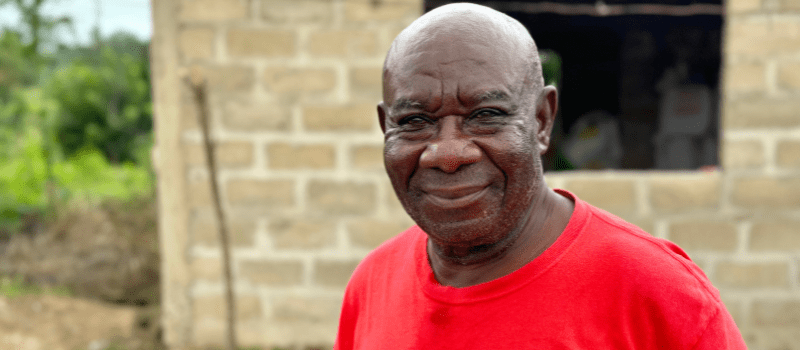
#VETSVolunteerVoices brings you stories of our passionate VETS program volunteers from the field. Meet Dr. Joseph Ansong-Danquah, a Ghanaian-Canadian veterinarian who has volunteered with VWB in Ghana since 2017. In 2026, Joseph is completing his final VETS placement after nine years of supporting farmers, communities, partner organizations and fellow volunteers across the country.