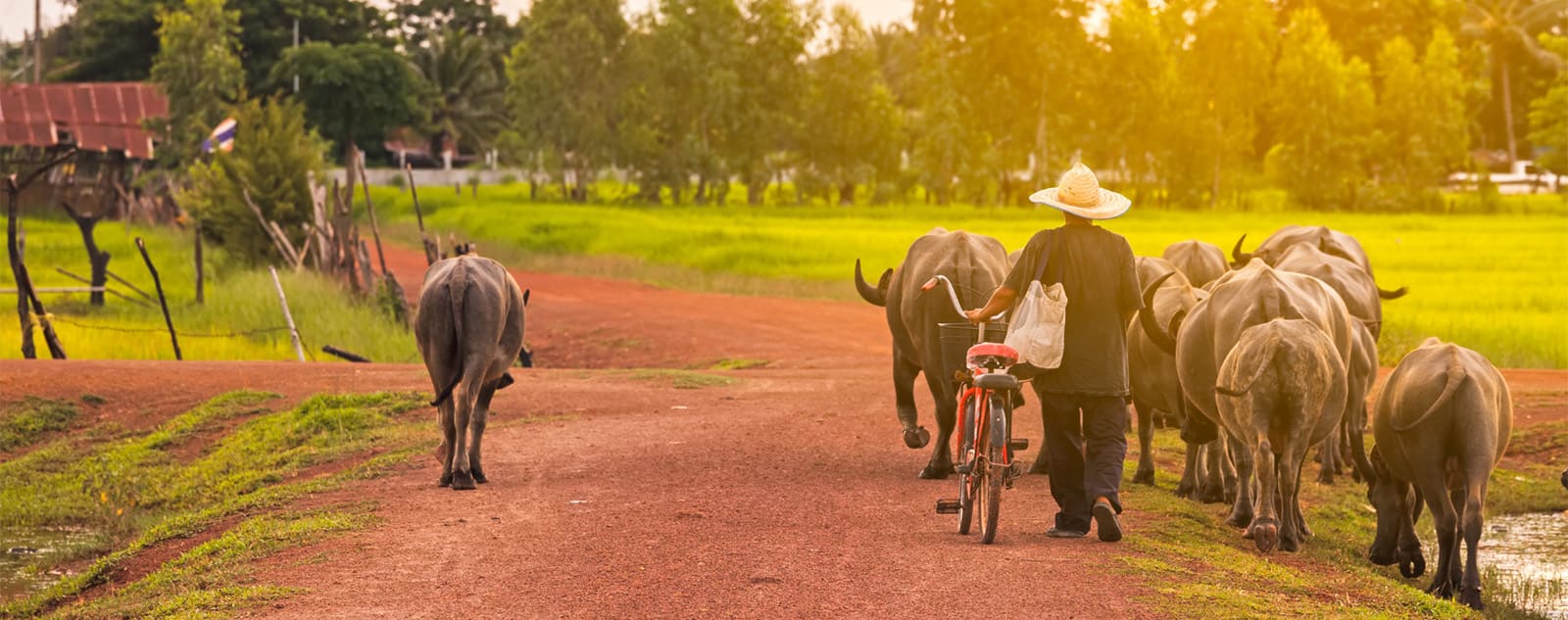
Veterinarians Without Borders working to prevent rabies across remote communities in Canada's North
Veterinarians Without Borders is working to prevent the spread of rabies across Canada's North.


Veterinarians Without Borders is working to prevent the spread of rabies across Canada's North.

In response to the Canadian Food Inspection Agency’s decision to ban the importation of dogs from other countries at high-risk for rabies, including dogs that could otherwise be available for adoption or purchase, Veterinarians Without Borders (VWB) is hosting a free virtual roundtable discussion to explore what comes next for international animal rescues.

In response to the devastating floods in Pakistan that have affected more than 33 million people and killed more than 800,000 farm animals, Veterinarians Without Borders (VWB) has partnered with Sangtani Women Rural Development Organization (SWRDO) to support women and families who have lost their animals and so much more.

As of September 28, 2022, World Rabies Day, commercial dogs from countries at high-risk for dog rabies will no longer be permitted entry into Canada. Commercial dogs can include, but are not limited to dogs for resale, adoption, fostering, breeding, show or exhibition, research, and other purposes. Watch a panel of experts and international rescues discuss these changes:.

Dr. Janet Davis, DVM fills a room with kindness during her time in Romania. “This tiny, emaciated kitten just arrived at the clinic. Nursing such a tiny baby back from the brink of death, it’s something that never gets old."

We're thrilled to announce this partnership with Petco and BOBS from Sketchers for animals across Canada's North.

Remote northern Canadian communities and veterinary volunteers work together to reduce widespread incidents of rabies and also provide spay and neuter surgeries, and animal care training.

In this edition of Ask an Expert, we spoke with veterinarian Dr. Elena Garde, whose career has spanned wildlife disease research, zoonotic disease, disaster response and community-based animal health across Canada, Latin America and beyond.
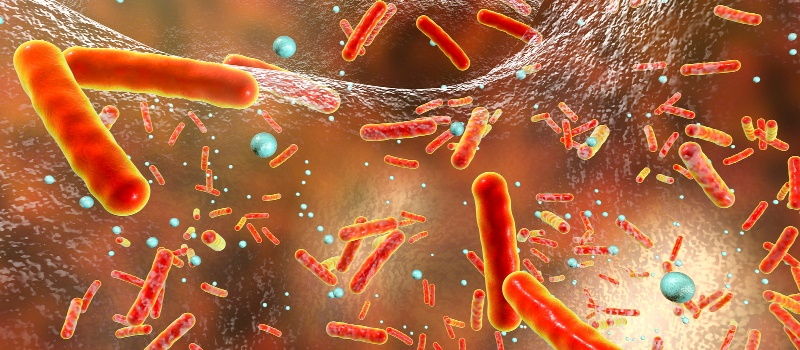
Register now for our World AMR Awareness Week 2026 webinar, which brings together experts in antimicrobial resistance (AMR), animal health, and One Health to examine where progress is being made in the global response to AMR, why gaps persist between policy commitments and implementation, and what stronger coordination across human, animal, and environmental health can contribute to meaningful, lasting change.
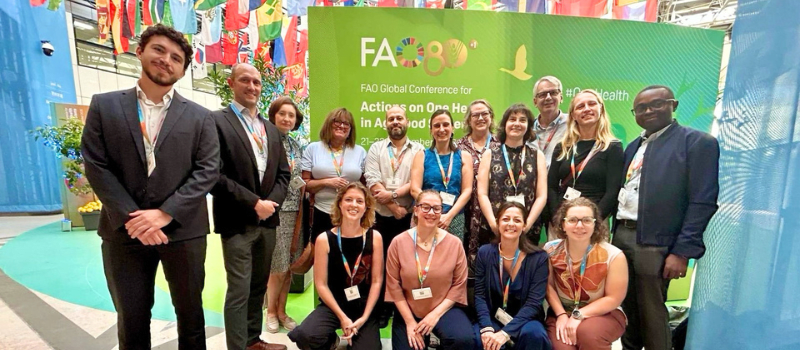
Written by Janine Mitchell, Executive Director of VWB, in recognition of One Health Day (November 3), this article draws on the FAO Global Conference for Actions on One Health in Agrifood Systems and the VSF International General Assembly to explore what it takes to turn One Health commitments into action—from building equitable partnerships and strengthening collaboration to ensuring practical systems and accountability.