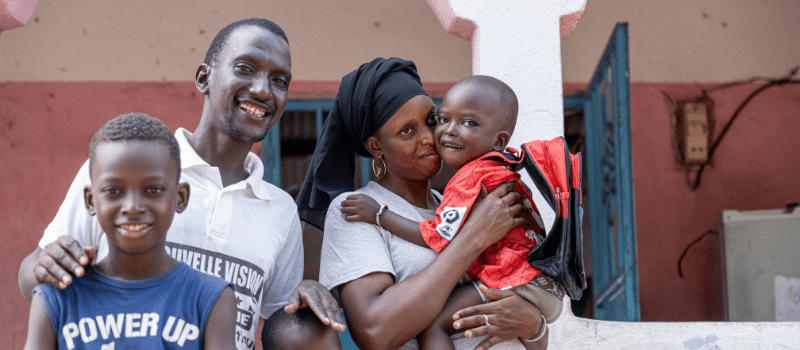
This blog was written by Kavitha Misra, Gender Advisor at VWB, reflecting on a visit to Senegal as part of our Community One Health Empowerment in Rwanda and Senegal (COHERS) program. The piece draws on field observations and interviews gathered during the trip.
I arrived in southern Senegal expecting to talk about livestock, livelihoods, and disease prevention. But some of the most meaningful stories I heard during the visit were not only about animals or training sessions. They were about what was changing inside households: who speaks, who decides, and how families respond to risk.
As Gender Advisor with Veterinarians Without Borders North America (VWB), I often return to three questions: who does what, who decides, and who benefits. They may sound simple, but they offer a powerful way of understanding whether change is really happening.
In Kédougou and Vélingara, Senegal, those questions revealed something important. Following gender and One Health Team (OHT)-related trainings, community members described early but meaningful shifts in household roles, decision-making, communication, and responses to zoonotic disease risks. These are not abstract changes. They are shaping how people care for animals, protect their families, and act when health threats emerge.
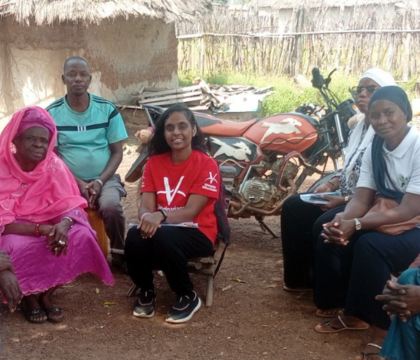 PHOTO: Kavitha (L) at a family meeting in Kédougou.
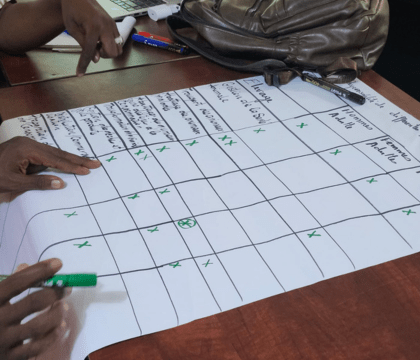 PHOTO: Gender training for One Health Teams.
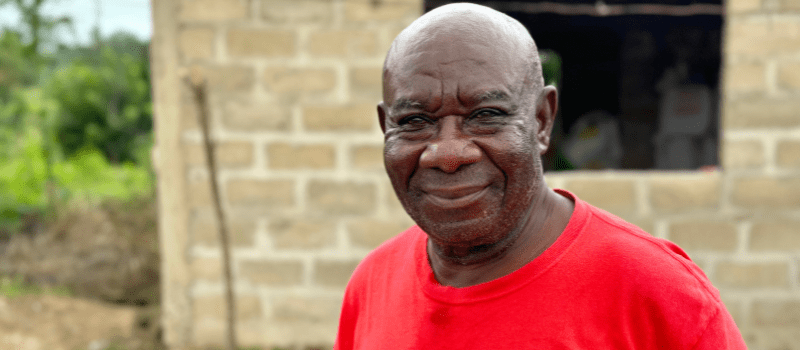
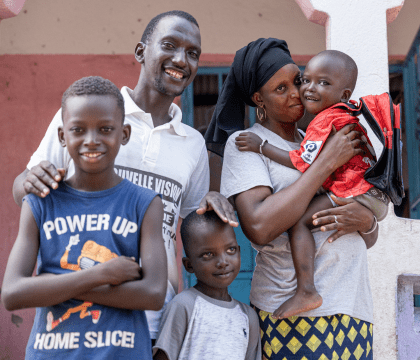 PHOTO: The Diallo family, COHERS program participants.
COHER From roles to recognition
In many households I visited, women have long played a central role in animal care. They feed animals, observe them closely, and respond to their needs with practical, experience-based knowledge. That part is not new. What is changing is whether that knowledge is recognized, and whether women have more influence over the decisions that affect household health and livelihoods.
One man explained, simply: “Before, I would decide alone if we sell an animal. Now, we discuss it.” Another described growing trust within the household: “If you trust your wife, you leave her with the key, and when it is almost done, she will tell her husband.” In one household, a participant reflected on how their understanding had changed: “We didn’t know what gender was, but through the project we heard about parity and equity. Now, I understand it’s not just for women.”
These are not dramatic declarations, but they matter. When more people are included in household decisions, those decisions are often better informed, more responsive, and more equitable.
From observation to action
One of the clearest shifts I heard across households was that people are acting sooner. Where there was once hesitation, there is now more discussion and quicker response when a person or animal becomes sick. One participant explained: “In the past, when someone or an animal is sick, we usually wait. Now we make decisions together and go to the hospital.”
A woman described what happens when she notices a problem with an animal: “If there is a sick or missing animal, I report it to my husband after the kids go to school.” Others described changes in how families manage animal health risks: “Before we used to kill and eat all sick animals, but now when we buy a goat, we call a vet and check first before putting it with the rest of the herd.”
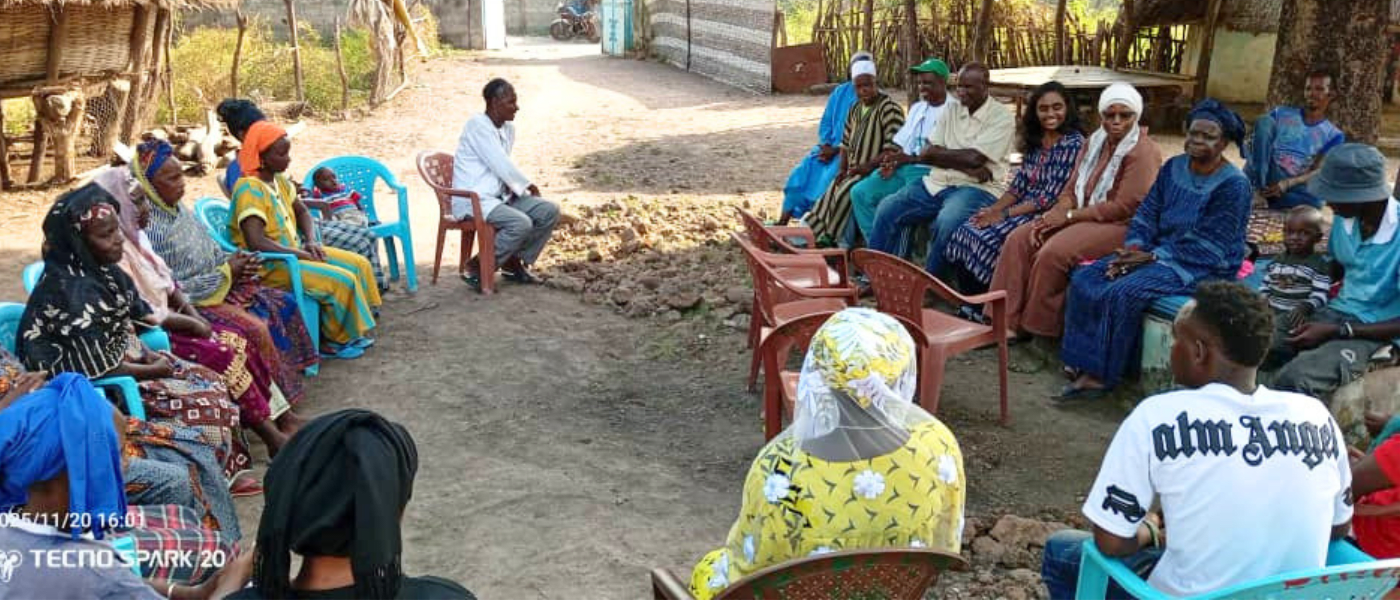 PHOTO: Kavitha Misra, VWB Gender Advisor (fifth from top right), joins a family meeting in Vélingara, Senegal, during a COHERS field visit.
This is where training begins to translate into something more meaningful. Knowledge is no longer staying with one individual or ending at the training site. It is moving into households and influencing what people do in practice.
From silence to communication
There was also a noticeable shift in how families described communication at home. In many cases, people said they were not only talking more but sharing information differently. One woman said: “When he comes back home, he calls the family together and shares information.” But what stood out most was that information was no longer flowing in only one direction. Women were sharing what they had learned and being heard.
One participant described how women pass on information after attending training: “If the wife or co-wife attends training, the next day she calls her husband and the others in the household who did not attend and shares the information.” Sometimes that communication extends beyond the home: “If the information needs to be shared with the whole community, the wife calls a meeting to share.”
Across households, people described this change with clarity: “We improved our communication. We talk a lot more about taking care of animals.” For some, the change was deeply personal: “Before the project, we didn’t share and communicate information, but after the project, I share a lot with my husband because I receive a lot of information on zoonoses. Before we used to kill and eat all sick animals, but now when we buy a goat, we call a vet and check first before putting it with the rest of the herd.”
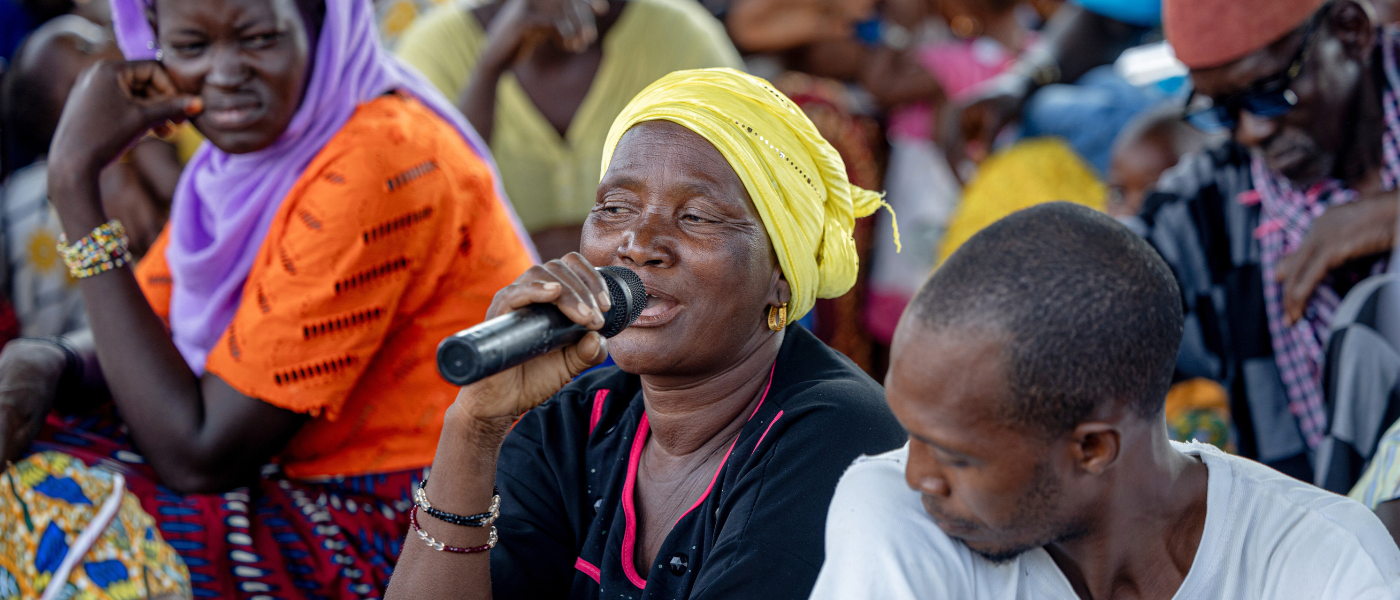 PHOTO: Women are encouraged to share their experiences during a COHERS community sensitization event in Thiangué village, southeastern Senegal.
When information moves more freely within families and communities, the result is not only better communication. It can also mean safer practices, earlier response, and stronger prevention.
Shifting everyday practices
Not all change shows up in major decisions. Some of it appears in the everyday routines of household life. One man reflected on how his own role had shifted: “Before I never cleaned the house or fetched water myself. I gave orders. Now, even if my clothes are dirty, I can wash them. Before, I never got firewood.”
Women described what these changes meant in practice: “Before the training, we thought it was normal for wives to be responsible for doing everything, but after the training, husbands started getting water and firewood.” Another woman said: “When I am busy with household work, my husband helps take care of the baby and with some tasks such as fetching water.”
These changes may seem small, but they matter. When responsibilities are shared more evenly, women may have more time and space to participate in decisions, attend activities, respond to animal health concerns, and contribute more fully to household and community wellbeing.
Why this matters for One Health
What became clear during the visit is that these shifts are not separate from health outcomes. They are central to them. When decisions are shared, they can be made faster. When knowledge is shared, it spreads further. When responsibilities are more balanced, households may be better able to respond to risks affecting both people and animals.
Families described reducing risky practices, seeking help earlier, and communicating more openly about health. These are all important conditions for stronger prevention and response. As one community member put it: “Now we understand that health is connected.” Another added: “When we all understand, we can all protect our families better.”
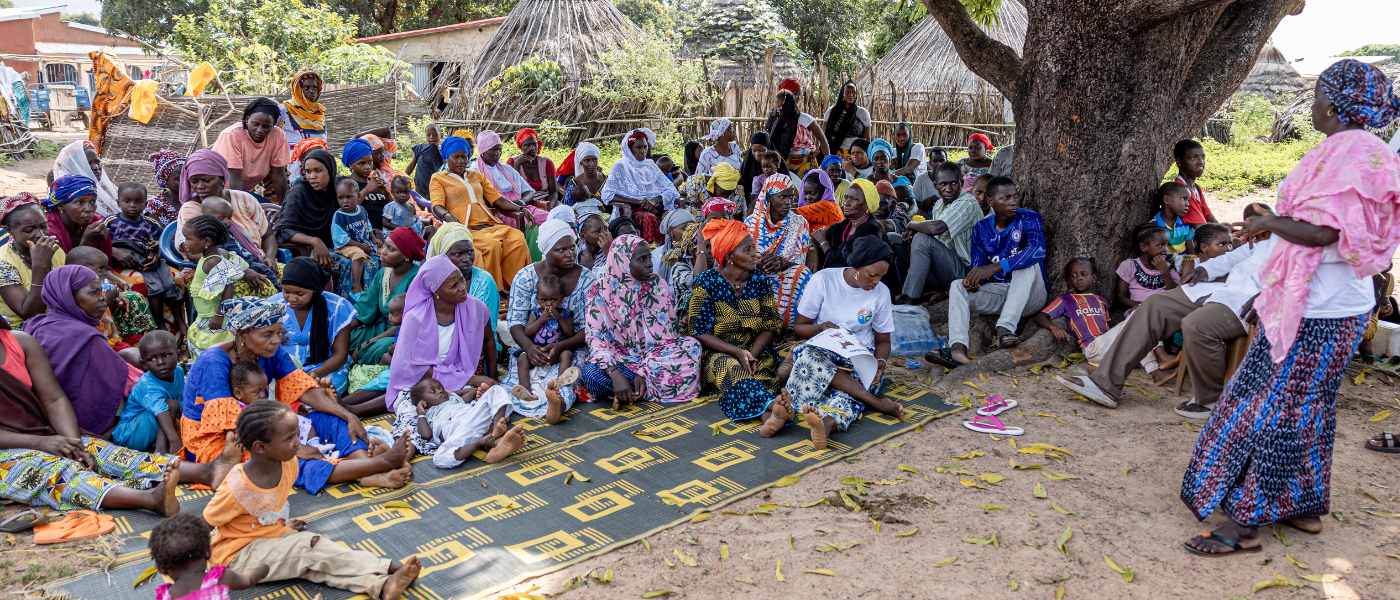 PHOTO: A health post worker joins the sensitization session in Thiangué village, sharing human health perspectives alongside animal health messaging.
This is one of the clearest lessons from the field: gender-transformative change is not separate from One Health. It can help create the conditions that make One Health approaches more effective at the household and community level.
Beyond activities to outcomes
COHERS aims to reach more than 127,000 people across Rwanda and Senegal, with a focus on those most marginalized. But numbers alone do not capture what change looks like in practice. What stayed with me were the quieter shifts happening within households. Women speaking where they were once expected to stay silent. Men listening and sharing responsibility where they may once have decided alone. Families acting sooner, and more safely, in the face of health risks.
This is what gender integration can look like when it begins to move beyond participation and into influence, behaviour change, and action. Not just activities completed, but early evidence of transformation.
And in the context of One Health, those changes matter. They shape who is heard, how decisions are made, and how quickly households and communities are able to respond to risk.
COHERS is a four-year initiative (2023–2027) that strengthens community health systems to prevent zoonotic diseases in Rwanda and Senegal by uniting human, animal, and environmental health. Funded by Global Affairs Canada and led by VWB, COHERS is delivered with local and international partners including the University of Global Health Equity (UGHE), WaterAid Rwanda, the University of Guelph, the Institute of Health Economics, and Agronomes et Vétérinaires Sans Frontières (AVSF). Learn more.