Ottawa, CANADA, February 27, 2025 – The termination of 10,000 foreign assistance contracts in the past 24 hours has sent shockwaves through humanitarian efforts worldwide. For families already struggling to rebuild from conflict, food insecurity, and disease, these sudden cuts are not just a policy shift—they are a devastating reality, disproportionately affecting women, children, and the most vulnerable.
Across Ukraine, USAID-supported agricultural and veterinary programs have been lifelines for farmers, providing critical humanitarian aid while also supporting their long-term recovery and resilience amid the ongoing war. With farmland destroyed and supply chains disrupted, these initiatives have helped small-scale farmers restock livestock, access veterinary care, and improve food production for their families and communities. Women farmers, who make up a significant portion of Ukraine’s smallholder agricultural sector, now face additional barriers to sustaining their livelihoods as vital programs are dismantled.
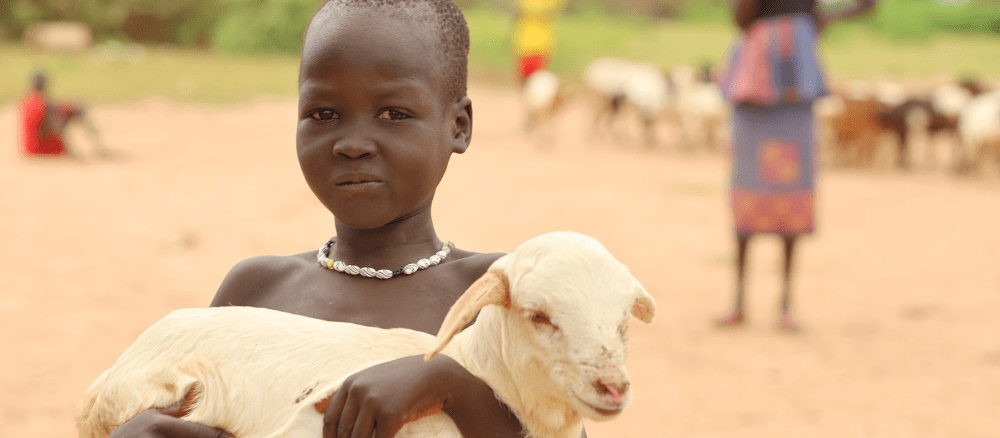
In South Sudan, where cycles of drought and conflict have made food security a constant challenge, humanitarian assistance plays a critical role in keeping livestock healthy, preventing disease outbreaks, and fighting famine. Programs training Community Animal Health Workers (CAHWs) have helped rural families protect their animals—their primary source of food, income, and stability. With these services now dismantled, preventable livestock diseases will spread unchecked, leading to rising deaths among animals and worsening malnutrition for the families who depend on them.
At the same time, emergency agricultural assistance that provides drought-resistant crops and sustains food production will cease, accelerating the risk of famine. Without urgent support, disease outbreaks and deaths from starvation will increase, deepening the humanitarian crisis—especially for women-headed households, who rely on livestock to provide for their families.
Beyond these direct impacts, the loss of funding for veterinary services, disease surveillance, and food security initiatives threatens progress in global One Health efforts, which recognize the interconnectedness of human, animal, and environmental health. The consequences of these cuts are already becoming apparent. The Democratic Republic of the Congo is facing a deadly, unidentified disease outbreak with Ebola-like symptoms, killing more than 50 people, while reductions in global health funding—including a shrinking CDC workforce—are weakening our collective ability to detect and respond to emerging health threats. At a time when climate change and shifting ecosystems are accelerating the emergence of new infectious diseases, cutting these programs places communities at even greater risk.
For nearly two decades, Veterinarians Without Borders North America (VWB/VSF) has worked alongside local partners to strengthen veterinary services, train community animal health workers, and improve livelihoods through sustainable agriculture and One Health initiatives. We have seen firsthand the critical role that animal health plays in food security, economic stability, and disease prevention. Despite shifting funding landscapes, we will continue to prioritize localized, community-driven solutions that build resilience and improve the well-being of people and animals alike.
As a proud member of the VSF International network, we recognize the profound impact these cuts have had on our partners, network organizations, and local staff around the world. Many dedicated teams working on the frontlines of animal health, food security, and One Health initiatives now face uncertainty, forced program closures, and the loss of critical resources. We stand in solidarity with all those navigating this crisis and remain committed to supporting the communities that depend on these vital efforts.
“This is more than a funding cut—it's a rupture in lifelines that millions rely on for survival,” said Charmaine Brett, Executive Director of VWB/VSF North America. “When critical veterinary services disappear, food systems break down, disease spreads, and families are left without the means to rebuild. The scale of these cuts will not only deepen hunger and economic hardship but also weaken global health security at a time when the world can least afford it. This is a moment for leadership, not retreat. Governments, donors, and organizations must come together to ensure that communities are not abandoned.”
VWB/VSF remains unwavering in our commitment to the communities we serve. As global crises escalate, our work has never been more urgent. We will continue standing with our partners, strengthening animal health, protecting livelihoods, and building resilience where it is needed most. These challenges will not deter us. Now more than ever, we are here to help.
------------------------------------------------
About VWB/VSF: Founded in 2005, Veterinarians Without Borders/Vétérinaires sans frontières (VWB/VSF) is a non-profit, charitable organization dedicated to improving community health through enhanced animal health. Using a “One Health” approach, we work with diverse partners to strengthen community-centered animal health systems, directly benefiting the people and environments that rely on them. As the North American affiliate of VSF International, VWB/VSF operates independently, with ongoing programs in Africa, Asia, Northern Canada, and Europe. Our efforts focus on disease prevention, sustainable livelihoods, equitable access to resources, capacity building, and humanitarian relief, reaching over 1 million people annually. Learn more: www.vwb.org
Media Contact:
Tanja Kisslinger
VWB/VSF North America
tanja@vwb.org / +1 613 413 5776
Healthy animals mean healthier people and stronger communities. If you’d like to support responsible animal care, disease prevention, and sustainable veterinary programs, please consider donating, volunteering, or subscribing to help make a lasting impact. Thank you for your generosity and commitment to One Health.