 In this edition of Ask an Expert, we spoke with Hannah (Tsai-Ping) Liao, whose MSc research at the University of Guelph examined what decades of Community Animal Health Worker (CAHW) programs can teach us about building sustainable, community-led animal health systems in northern Canada.
Community Animal Health Worker (CAHW) programs have been used around the world for decades to extend animal health services into places where veterinary care is limited or difficult to access. At their simplest, the idea is straightforward: equip trusted local people with animal health knowledge and practical skills so they can provide basic care within their own communities.
But after nearly half a century of experience, a more difficult question remains: what makes that model last?
That question became the focus of Hannah (Tsai-Ping) Liao’s Master of Science (MSc) research at the University of Guelph’s Ontario Veterinary College. Working in collaboration with Veterinarians Without Borders North America (VWB), Hannah examined CAHW programs globally and gathered perspectives from people involved in community animal health initiatives to understand not only what works, but why programs sometimes struggle to sustain their impact.
Her research revealed a much more complex picture than training alone. Sustainable programs depend on everything from ongoing veterinary mentorship and appropriate compensation to community trust, continuing education, data collection, regulatory support and long-term funding. They must also strike a difficult balance: maintaining standards for quality and safety while remaining flexible enough to reflect the realities of individual communities.
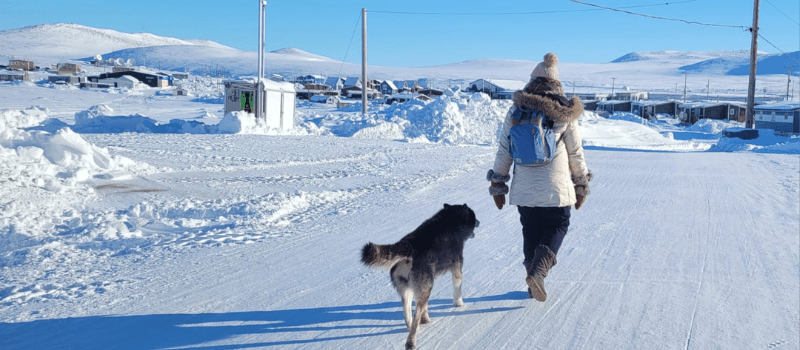
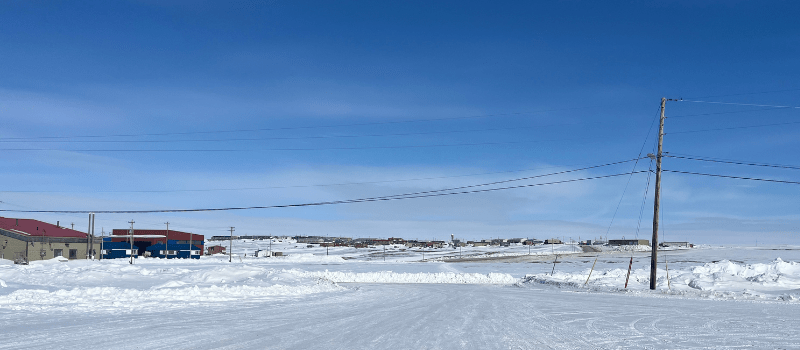
In May 2025, Hannah travelled with VWB to Gjoa Haven, Nunavut, bringing nearly two years of research into conversation with the experiences and knowledge of community members. Now, with that research complete, her findings offer a broader look at what decades of CAHW experience around the world can teach us about building sustainable animal health systems in northern Canada.
Now a PhD candidate at York University, Hannah joins us for this edition of Ask an Expert to explore what the evidence tells us about moving from short-term training and episodic veterinary care toward animal health systems that communities can increasingly lead and sustain themselves.
Q: Community Animal Health Worker (CAHW) programs have existed around the world for decades. What did you set out to understand through your research, and why was northern Canada an important context to explore?
Hannah: Much of the existing research on CAHW programs comes from Africa and Asia, where programs have traditionally focused on livestock, working animals, food security and zoonotic disease. There is much less research on how this type of model could function in the Global North, particularly with companion animals and dogs in remote northern communities.
That was an important gap for me. Northern Canada faces significant barriers to veterinary care, but the social, cultural, geographic and regulatory contexts are very different from many of the places where CAHW programs have traditionally operated.
My research combined a review of existing programs with surveys and interviews with people who had experience working with CAHWs and related animal health initiatives. I wanted to understand the patterns across those experiences: What consistently supports success? What problems keep appearing? And which lessons could help inform a framework appropriate for northern Canada?
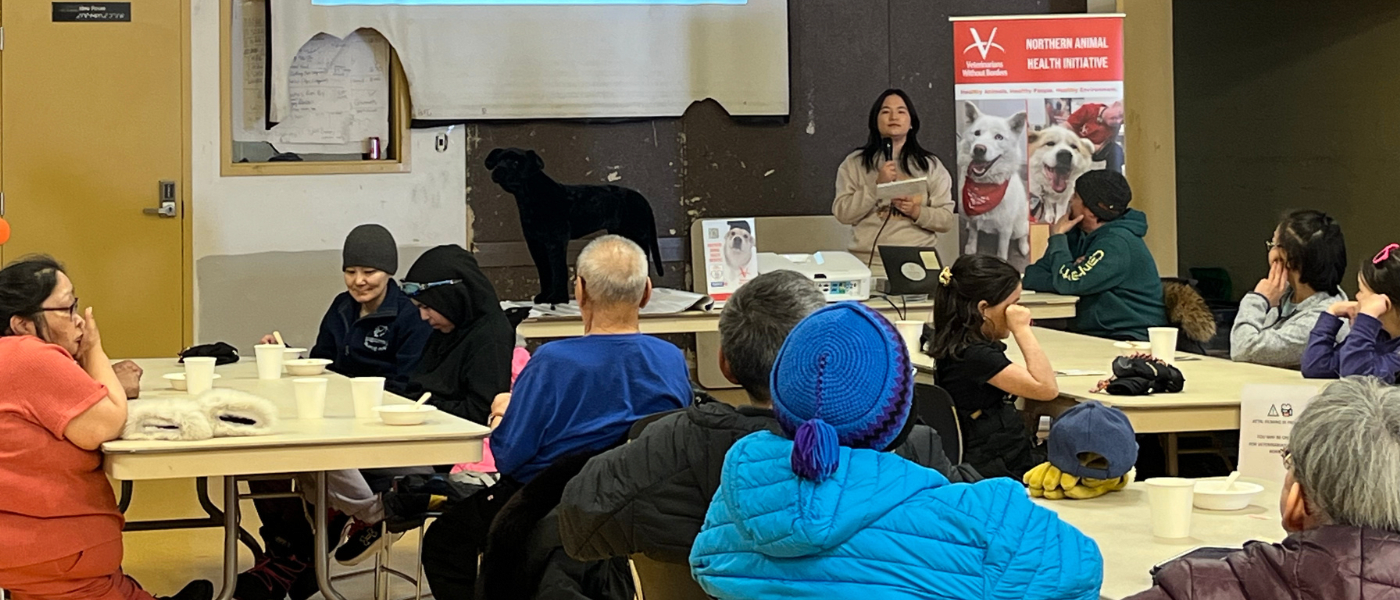 PHOTO: Hannah shares her research at a community event in Gjoa Haven in May 2025, where residents discussed local animal health needs, challenges, and priorities.
There was also a personal connection. I was born and raised in China for the first 12 years of my life, where I became aware early on of animal welfare challenges. That experience shaped my belief that anyone who loves and cares for their animals should have access to the knowledge and services needed to keep them healthy.
Q: CAHW programs can look very different around the world. What did that international experience teach you about the model itself?
Hannah: One of the interesting things about looking globally is seeing just how adaptable the CAHW concept has been.
In Alaska, for example, lay vaccinators were among the earliest community-based animal health workers used to help control rabies. In Uganda, CAHWs have supported livestock health through access to vaccines, parasite treatments and other medicines. In India, programs have been used in areas affected by rabies to support dog vaccination and wound management. Cambodia has one of the more established CAHW systems, where workers can provide medicines, parasite treatments and vaccines and, under veterinary supervision, may perform some basic procedures.
So there isn't one universal CAHW job description. The role develops in response to the animals, diseases, available veterinary infrastructure and priorities of a particular place. For northern Canada, that was an important lesson. We don't need to reproduce one of those models. We can look across decades of experience to understand the principles that consistently matter and then ask how they need to be adapted to northern realities.
Q: Across those different models, what separated the strongest CAHW programs from those that struggled?
Hannah: One thing that became clear is that a successful CAHW program is not simply a training program. Training is one part of a much larger system.
The strongest programs had sustainable funding, ongoing training and continuing education, access to supervision, appropriate supplies and resources, and opportunities for CAHWs to develop professionally. Selecting the right people was also important. CAHWs need technical skills, but they also need to be motivated, trusted within the community and able to communicate effectively with the people they serve.
Community support was one of the strongest components across the programs in my research. That makes sense because CAHWs often succeed precisely because they are accessible and already part of the community.
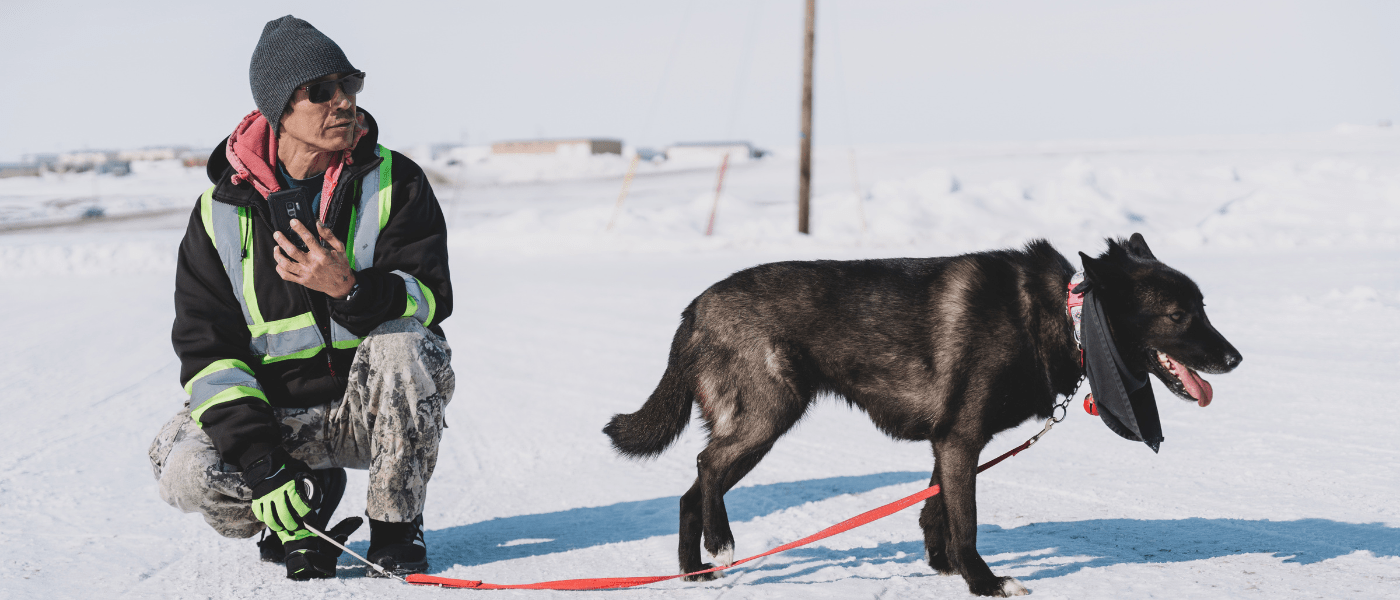 PHOTO: VWB-trained Community Animal Health Worker Jimmy Pauloosie Jr. with his dog in Gjoa Haven, Nunavut. Jimmy also serves his community as a by-law officer.
But sustainability also depends on what surrounds them. A well-trained person cannot provide consistent animal health services without access to medications, equipment, veterinary advice, continuing education or a way to support themselves financially. So the question becomes less, “Can we train someone to do this?” and more, “What system needs to exist around that person so they can continue doing it safely and effectively?”
Q: Your research found that many CAHW programs encounter the same problems repeatedly. Why do these challenges persist?
Hannah: This was one of the most important findings for me. There have been CAHW programs operating internationally for decades, but there is limited long-term evaluation and relatively little comparison across programs. As a result, similar problems can occur again and again without the lessons necessarily being carried forward.
Training without adequate follow-up is one example. CAHWs inevitably encounter situations outside their initial training. If there is no accessible veterinary supervision, mentorship or refresher training, maintaining confidence and quality of care becomes difficult.
There can also be practical gaps: inadequate supplies, inconsistent data collection, limited funding and insufficient compensation. Research has shown that inadequate training or support can have consequences ranging from improper wound management and medical-waste handling to inappropriate medication use, including risks related to antimicrobial resistance.
That is why I see continuing education, mentorship and telehealth as essential rather than optional. Some programs also provide short placements or refresher opportunities where CAHWs can experience different clinical environments and more advanced procedures.
Training creates initial capacity. Continuity is what protects and strengthens it.
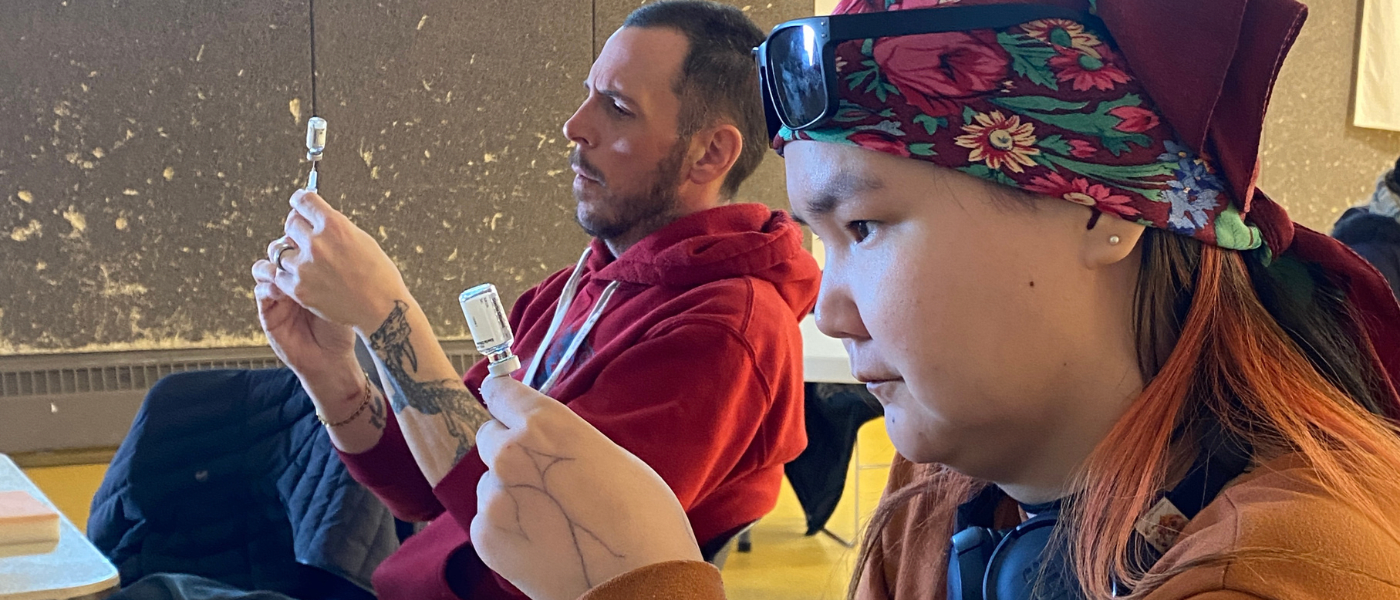 PHOTO: VWB-trained Community Animal Health Workers practice injection techniques during training in Gjoa Haven, Nunavut, in May 2026.
Q: Your findings also point to a tension between standardization and flexibility. How do you maintain quality without imposing a one-size-fits-all model?
Hannah: I don't think standardization and flexibility have to be opposites. Certain elements should be standardized. CAHWs need clear competencies, appropriate training materials, defined scopes of practice, supervision and ways to evaluate whether services are being delivered safely and effectively. Data collection and record keeping are also important, both for monitoring animal health and for understanding whether the program itself is working.
But the way those elements are implemented needs to remain flexible.
A CAHW program in a livestock-dependent community in East Africa may have very different priorities from one serving dogs in a northern Canadian community. The diseases, animals, geography, available infrastructure, regulations and cultural relationships with animals may all differ. So I think we should standardize quality, but not standardize communities.
For northern Canada, that means beginning with local knowledge and a community-led needs assessment rather than arriving with a predetermined program. It also means involving community members, veterinarians, policymakers and other local knowledge holders early enough that they can genuinely shape the model—not simply react to something that has already been designed.
Q: CAHWs are sometimes thought of primarily as people who provide basic animal care. Does their potential role extend beyond that?
Hannah: Absolutely. One of the reasons CAHW programs are so relevant to One Health is that their role can extend beyond treating individual animals. Because CAHWs are present within communities, they can contribute to disease surveillance by recognizing unusual health patterns, recording treatments and illnesses, and connecting that information with veterinarians or public health systems. This can support earlier detection and prevention of diseases such as rabies and other zoonoses.
Quality CAHW programs can also support antimicrobial stewardship through education about appropriate medication use and dosage, and contribute to environmental health through safe disposal of medical waste and locally appropriate approaches to animal population and livestock management.
Data becomes very important here. When CAHWs consistently record animal health information, that information can help identify disease trends, improve programs and strengthen preparedness for future health or environmental emergencies. It can also demonstrate impact. Communities need evidence if they are going to advocate for policy support or secure longer-term funding. In that sense, data collection isn't simply an administrative task—it can become part of building a sustainable local animal health system.
Q: Your research drew on international evidence, but you also had the opportunity to see CAHW training firsthand in Gjoa Haven. What did the community teach you that the research couldn't?
Hannah: Gjoa Haven reinforced something that can be easy to underestimate when looking at programs on paper: communities already hold considerable expertise. Many community members had developed an incredible ability to understand dog behaviour through years of close observation and experience. That kind of knowledge is different from veterinary training, but it is still expertise.
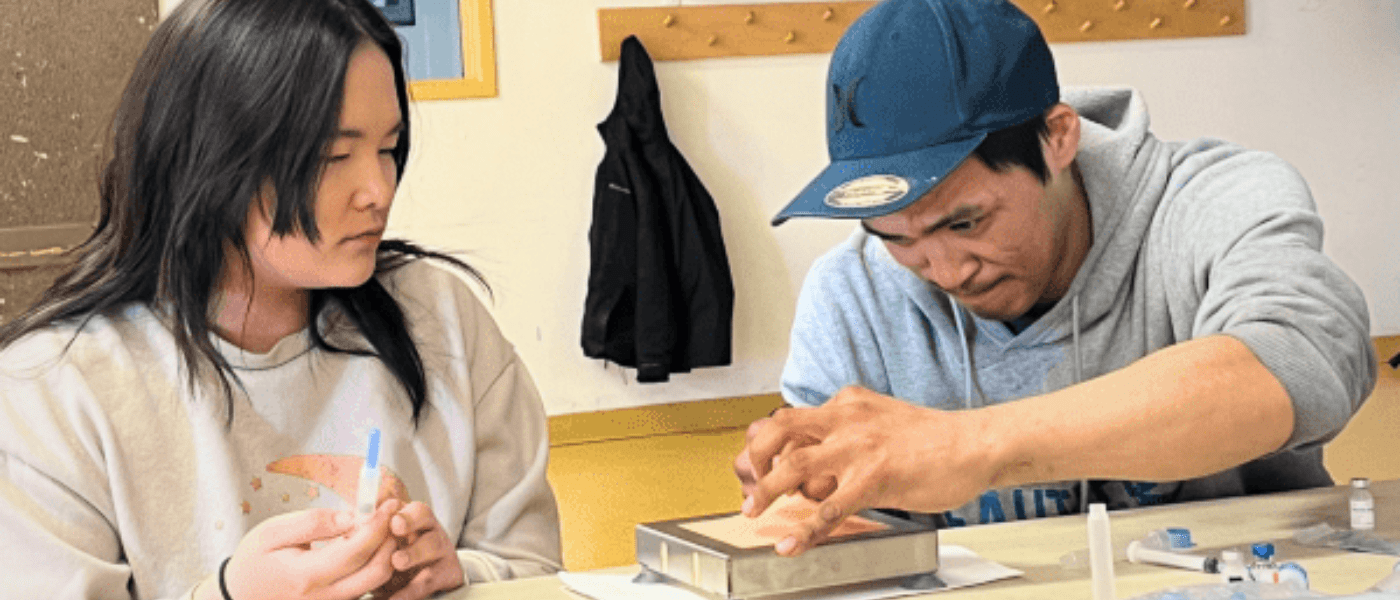 PHOTO: Hannah Liao observes Community Animal Health Worker Jimmy Pauloosie Jr. practising injection techniques during training in Gjoa Haven, Nunavut, in May 2025.
Experiencing that firsthand in Gjoa Haven deepened my understanding of what mutual learning can look like in practice. It shouldn't be one-directional, with researchers or veterinarians arriving to teach a community. Veterinarians bring clinical and technical knowledge, but community members bring cultural knowledge, practical experience and an understanding of local animals and local realities that outsiders simply cannot have.
For me, Gjoa Haven reinforced that the strongest model is based on two-way learning. The goal isn't to replace local knowledge with veterinary knowledge, but to bring those different forms of expertise together.
Q: If training is only the beginning, what does a sustainable animal health system need to build around a CAHW?
Hannah: It needs several interconnected layers of support.
CAHWs need practical experience alongside veterinarians so they can build confidence and apply what they have learned in real situations. They need ongoing mentorship and a way to contact veterinary professionals when they encounter something beyond their scope. In remote communities, telehealth can be particularly valuable for maintaining that connection between veterinary visits.
They also need continuing education, reliable supplies, clear responsibilities and opportunities to learn from other CAHWs. Community feedback needs to continue throughout the program so it can adapt as priorities change.
Monitoring and evaluation should also be built in from the beginning rather than added at the end. Success will not necessarily look the same in every community, so communities should help determine which outcomes matter locally. At the same time, collecting consistent information can demonstrate whether the program is improving access, supporting disease prevention and strengthening local capacity.
Ultimately, sustainability means moving away from a model where outside veterinary teams are the entire system. Visiting clinics can remain an important part of care, but CAHWs can create continuity between those visits and connect communities to a broader network of veterinary expertise.
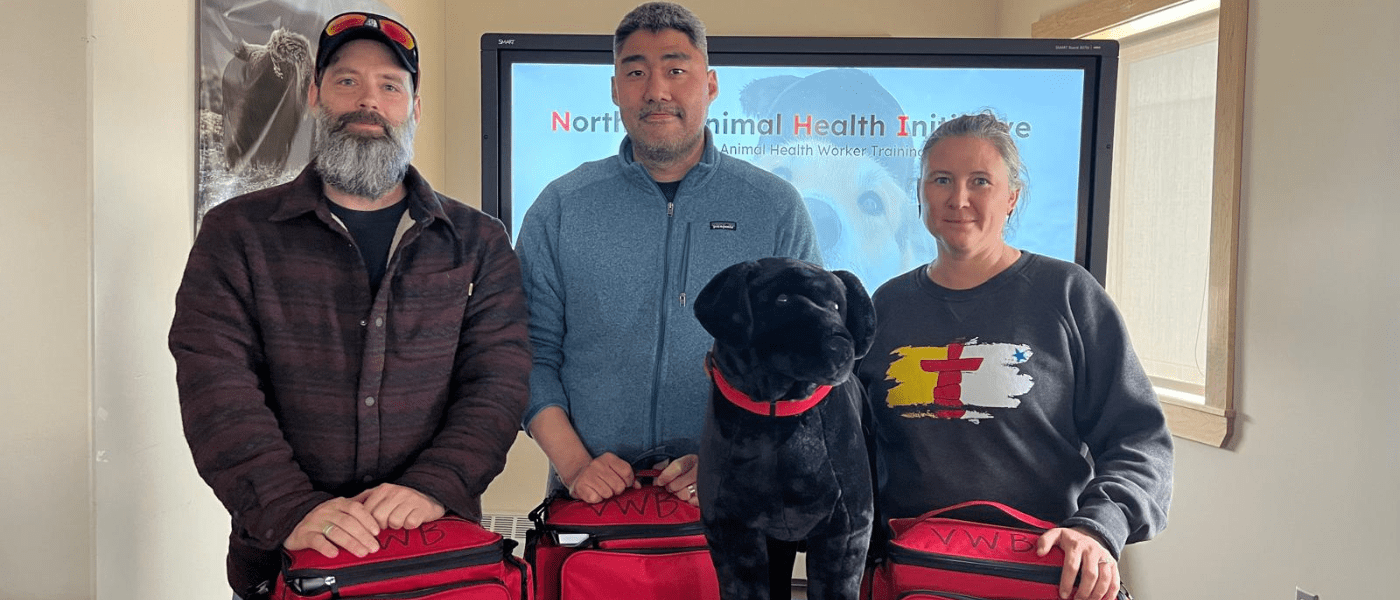 PHOTO: Newly trained Community Animal Health Workers receive their CAHW kits following VWB training in Kugluktuk, Nunavut, in May 2026.
Q: You’ve said CAHWs should ultimately be recognized as skilled professionals rather than simply volunteers. Why does professionalization matter?
Hannah: Compensation was an important sustainability issue in my research. Programs can struggle to retain CAHWs when people are expected to provide skilled, valuable services without enough compensation to support their own livelihoods. That affects more than retention. If the role isn't sustainable for the person doing it, it becomes difficult to maintain consistent services, supervision and follow-up within the community.
I think there is an opportunity in northern Canada to think more deliberately about recognized credentials, clear scopes of practice and career pathways. CAHW training could provide transferable skills and potentially introduce Northern and Indigenous youth to careers in animal health, while continuing education could allow existing CAHWs to build their skills over time.
There are regulatory questions that need to be considered as well. CAHWs are not veterinarians, so programs need clarity around what they can safely provide, when veterinary supervision is required and how their competencies are recognized. Partnerships between communities, governments, veterinary organizations and educational institutions could help create that structure. If CAHWs are going to become a meaningful part of the animal health system, their role needs to be supported as one.
Q: If we looked ahead ten years, what would tell you that community-led animal health care in northern Canada had truly succeeded?
Hannah: There are standardized ways to measure success, such as whether a program has improved access to animal health services, increased vaccination coverage, or helped prevent and control potential disease outbreaks. Those indicators are important, but they don't tell the whole story. Success also needs to reflect each community's needs, priorities, and relationships with animals.
Numbers alone can't capture that. Community members' experiences, perspectives, and stories matter too. Communities should be involved in defining what meaningful success looks like and in determining how it is evaluated.
Ultimately, I would want to see CAHWs receiving appropriate training, recognition, and ongoing support, while communities have access to the veterinary expertise and resources they need to lead and sustain their own animal health systems. The strongest programs would build on the knowledge and strengths that already exist within communities, while still being able to demonstrate measurable improvements in animal health and access to care.
To me, success is both: outcomes we can measure and systems that communities themselves value and can sustain.
 Lasting access to animal health care means investing not only in veterinary services, but in the local knowledge, skills, and systems that help communities sustain care over time. Donate, volunteer, or subscribe to support VWB’s work expanding access to veterinary care and strengthening community-led animal health systems in northern Canada and beyond.