#VETSVolunteerVoices brings you stories from the field shared by passionate VETS program volunteers. Meet Vincent Auclair, a Fundraising Advisor who spent four and a half months in Cambodia (January–May 2026) with our local partner, AVSF Cambodia, supporting proposal development, fundraising systems, and organizational capacity strengthening.
Where Fundraising Really Begins
When people hear the word "fundraising," they often think about proposals.
A deadline approaches, a team gathers information, and someone sits down to write. The proposal is submitted, and attention shifts to the next opportunity. After decades working in law, politics, business development, education, and international cooperation, I have come to see fundraising very differently.
Strong proposals are rarely created at the last minute. They are built on something much deeper: understanding community needs, building relationships, developing partnerships, gathering evidence, aligning priorities, and creating systems that help organizations make thoughtful decisions. By the time a proposal is written, much of the important work has already happened.
That perspective shaped my VETS placement with AVSF Cambodia, where I served as a Fundraising Advisor from January to May 2026.
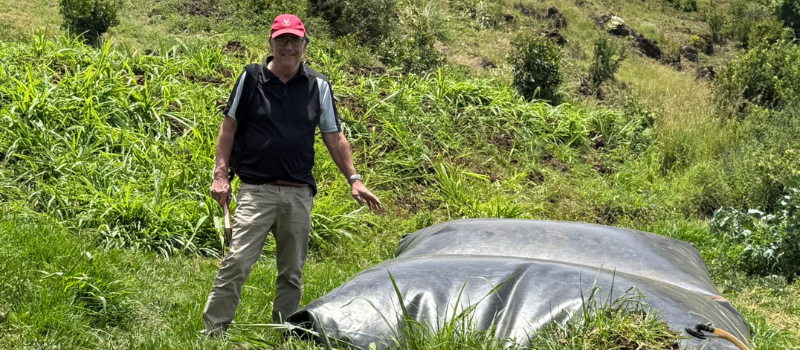
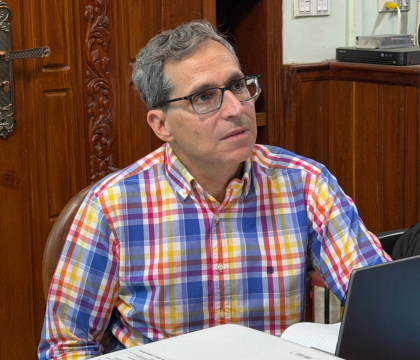 PHOTO: VETS Volunteer, Vincent Auclair.
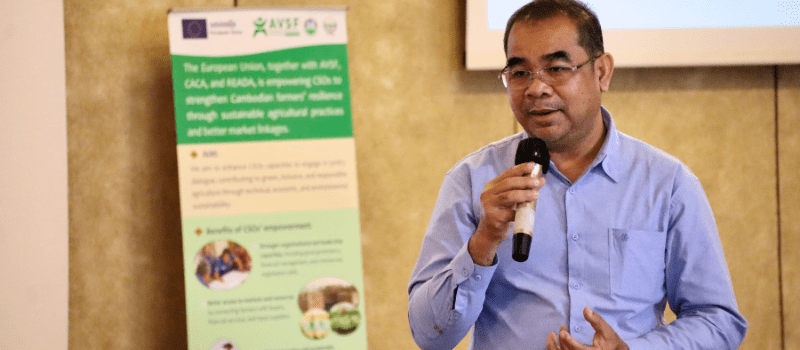
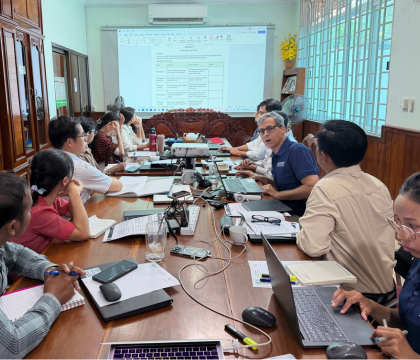 PHOTO: Vincent leads an AVSF staff training session.
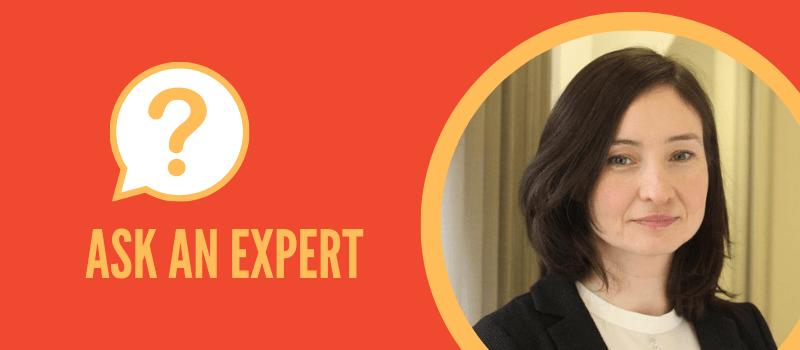
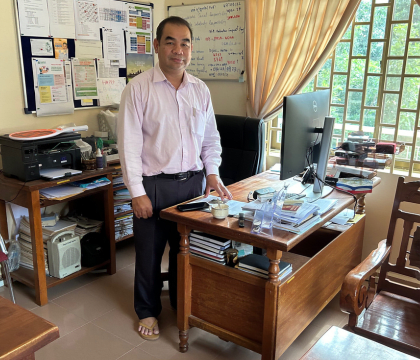 PHOTO: Sophoan Min, Executive Director, AVSF Cambodia.
A Lifetime of Service
Volunteering has been part of my life for as long as I can remember.
One of my earliest volunteer experiences was participating in a Christmas basket drive in Montreal during my first year of high school. It was the first time I truly understood how fortunate I was and how many people faced challenges very different from my own. That experience stayed with me.
Over the years, my professional journey took me through many different roles. I worked as a lawyer, educator, business development advisor, and Member of the National Assembly of Quebec. I also remained active in community organizations, food security initiatives, and volunteer leadership roles.
Looking back, volunteering was never something separate from my career. Whether through public service, mentoring, partnership development, or community engagement, I have always been motivated by the opportunity to help people and organizations grow.
International volunteering became a natural extension of those values.
I have since volunteered in Vietnam, Nepal, Malawi, Jordan, Laos, and Cambodia. Each placement has been different, but all have reinforced the same lesson: meaningful change happens when people work together to strengthen their own communities and organizations.
Supporting Organizational Sustainability
What attracted me to AVSF Cambodia was the opportunity to support an organization that is making a tangible difference in the lives of rural communities and smallholder farmers.
At the time of my placement, AVSF Cambodia was navigating an important leadership transition while also looking to strengthen its fundraising systems and proposal development processes. These were areas where I felt my experience could be useful.
Early in my placement, I worked with colleagues to assess existing fundraising practices and identify opportunities for improvement. Together, we explored ways to strengthen donor engagement, improve opportunity tracking, support knowledge sharing, and create practical tools that could help make fundraising work more organized and sustainable.
One of the key ideas I brought to these discussions was that proposal writing should not be viewed as a standalone activity. Too often, organizations find themselves scrambling to respond to funding opportunities under tight deadlines. Yet successful fundraising depends on much more than writing skills. It requires planning, teamwork, clear decision-making processes, and a shared understanding of priorities.
To support that work, I helped develop practical tools and guidance that AVSF Cambodia could continue using long after my placement ended. These included proposal planning resources, donor tracking tools, fundraising guidance, and a Go/No-Go decision-making process designed to help teams evaluate opportunities before investing valuable time and energy in proposal development.
For me, these tools were never the end goal. Their purpose was to help create stronger systems and build confidence within the organization.
Learning Through Simulation
One of the most rewarding parts of my placement was facilitating a three-day proposal-writing simulation for AVSF Cambodia staff and partner organizations. Rather than relying on a traditional classroom approach, the training was designed to reflect the realities organizations face when responding to funding opportunities.
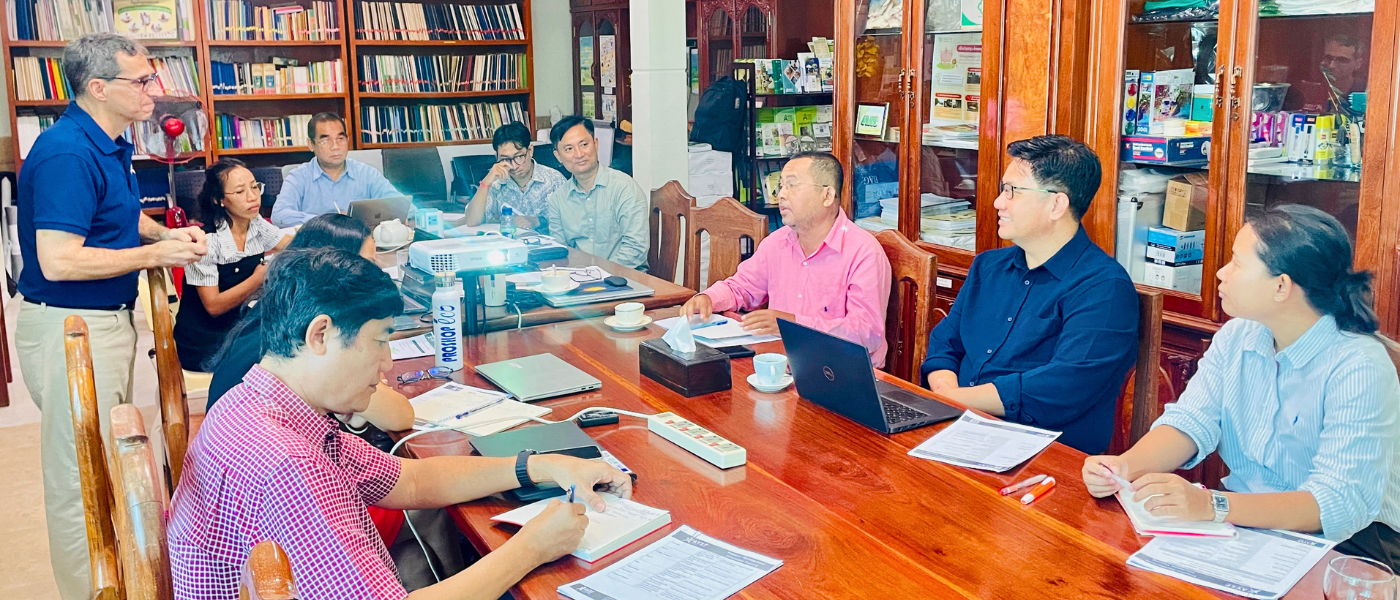 PHOTO: Vincent Auclair (standing, left) facilitates a proposal-writing simulation with AVSF Cambodia staff and partner organizations in Phnom Penh, Cambodia (April 2026).
Participants worked through realistic scenarios, analyzed donor requirements, developed project ideas, and collaborated as teams to prepare proposal components. Along the way, they navigated the same challenges that organizations regularly encounter: limited time, competing priorities, evolving ideas, and the need to work collectively toward a shared objective.
What made the experience particularly valuable was that participants learned by doing.
Proposal writing can sometimes feel intimidating, especially when donors expect increasingly detailed, realistic, and competitive submissions. But as the simulation progressed, something encouraging began to happen. Participants started drawing on their own experiences, supporting one another, and recognizing that they already possessed many of the skills needed to develop strong proposals.
The focus shifted away from simply writing a document and toward understanding the broader process behind it.
By the end of the training, participants were thinking more strategically about how projects are designed, how teams collaborate, how risks are considered, and how donor priorities can be aligned with community needs.
The Importance of Partnership
While I arrived in Cambodia to share experience in fundraising and organizational development, one of the most valuable aspects of the placement was working alongside colleagues who understood the local context far better than I ever could.
One lesson that has become clearer with every international placement is that there is no universal solution. What works in one country may not work in another. Effective support requires flexibility, humility, and a willingness to adapt. Recommendations only become meaningful when they are grounded in local realities and aligned with local priorities.
Throughout the placement, my colleagues at AVSF Cambodia became my greatest source of knowledge. Through formal meetings, informal conversations, and daily collaboration, they helped me better understand the organization's challenges, opportunities, and aspirations. Their professionalism, resilience, and commitment to the communities they serve left a lasting impression on me.
The experience reinforced my belief that successful volunteer assignments are true partnerships. While I brought technical expertise in fundraising and organizational development, the AVSF team brought deep contextual knowledge and practical understanding. Together, we were able to develop solutions that were both relevant and realistic.
Capacity Strengthening Starts with People
When I reflect on my time in Cambodia, the moment that stays with me most is not a particular tool, process, or document. It was watching participants during the proposal-writing simulation move from uncertainty to confidence.
As they worked through challenges together, I saw individuals begin to trust their own knowledge, contribute ideas more freely, and support one another's learning. What started as a training exercise became something larger: an opportunity for people to recognize their own strengths.
That experience reminded me of something I have observed throughout my career: Capacity strengthening is ultimately about people. Systems matter, processes matter, good tools matter. But lasting organizational change happens when people have the confidence, support, and opportunities they need to apply their skills and continue growing long after external advisors have left.
In many ways, that principle applies equally to fundraising, leadership, and international development.
Looking Ahead
Later this year, I will return to AVSF Cambodia for another mandate – the decision was an easy one. During my first placement, I developed tremendous respect for both the team and the work they are doing. I look forward to continuing our collaboration and building on the progress we achieved together.
Every international volunteer placement introduces me to remarkable people, new perspectives, and different ways of understanding the world. While I bring decades of professional experience to each assignment, I continue to learn from every organization, every community, and every colleague I meet.
As long as I feel that I can contribute and continue learning, I hope to remain involved in international volunteering.
Because ultimately, strong organizations are not built through proposals alone. They are built through relationships, shared learning, and people working together toward a common purpose.
VETS is an 8-year initiative (2020-2028) to improve the economic and social well-being of marginalized people, particularly women and girls, in 6 countries across Africa and Asia. In collaboration with local partners, the program is implemented through 190 Canadian volunteers on international assignment and is generously funded by Global Affairs Canada. Learn more.