Written by Tanja Kisslinger, Director of Communications at VWB, in recognition of Biodiversity Day 2026 and the growing global focus on healthy rangelands, pastoralist systems, and community-led resilience through the United Nations’ International Year of Rangelands and Pastoralists (IYRP 2026) and VSF International's Healthy Rangelands Manifesto.
Rethinking Biodiversity
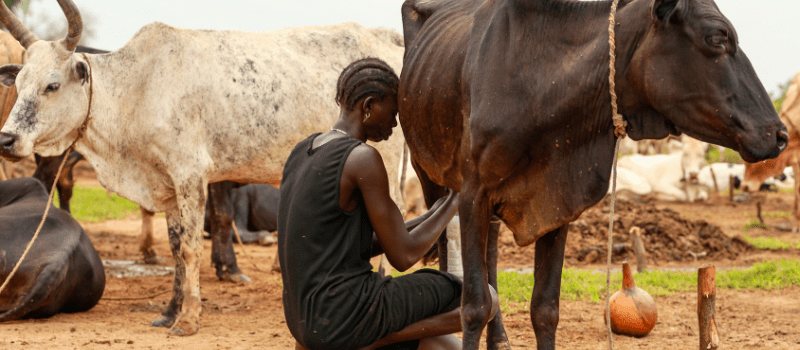
On a dry-season morning in South Sudan’s Northern Bahr el Ghazal State, cattle herders guide their animals across grazing land in search of water and forage. The movement is gradual and familiar, shaped by changing pasture conditions, seasonal rhythms, and generations of lived knowledge about the land.
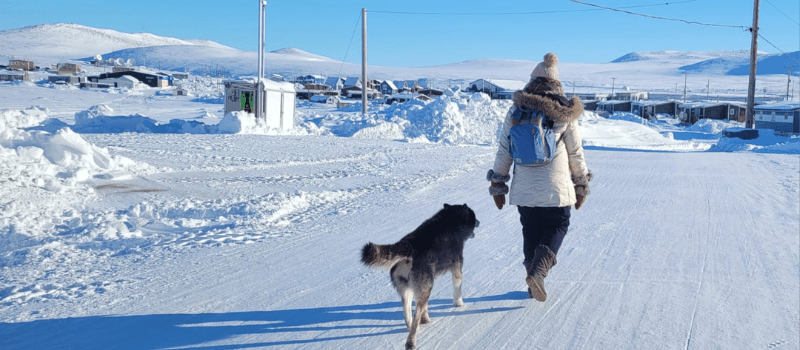
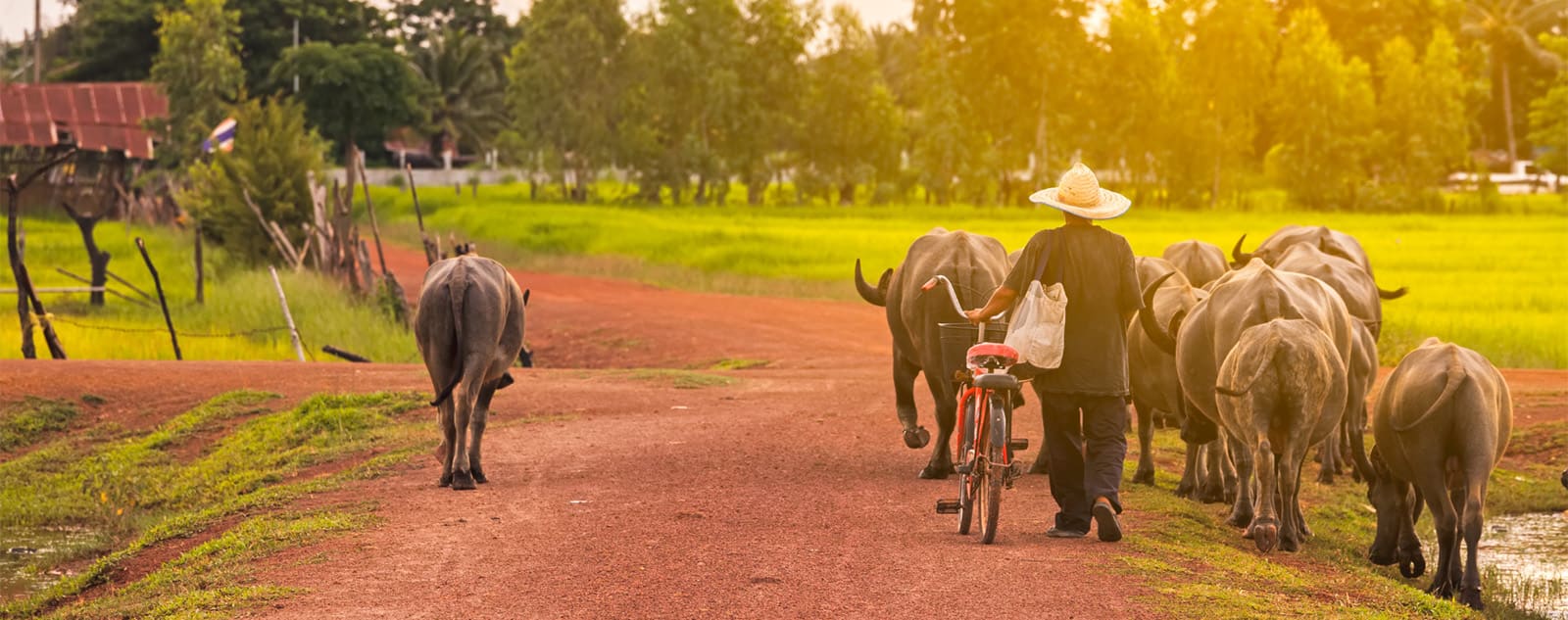
Scenes like this unfold every day across rangelands around the world, from the grasslands of East Africa to remote northern regions of Canada. Yet they rarely appear in the imagery or language commonly associated with biodiversity. Conversations about biodiversity often focus on rainforests, coral reefs, endangered wildlife, or landscapes imagined as untouched by human activity. These ecosystems matter enormously, but they are only part of the story.
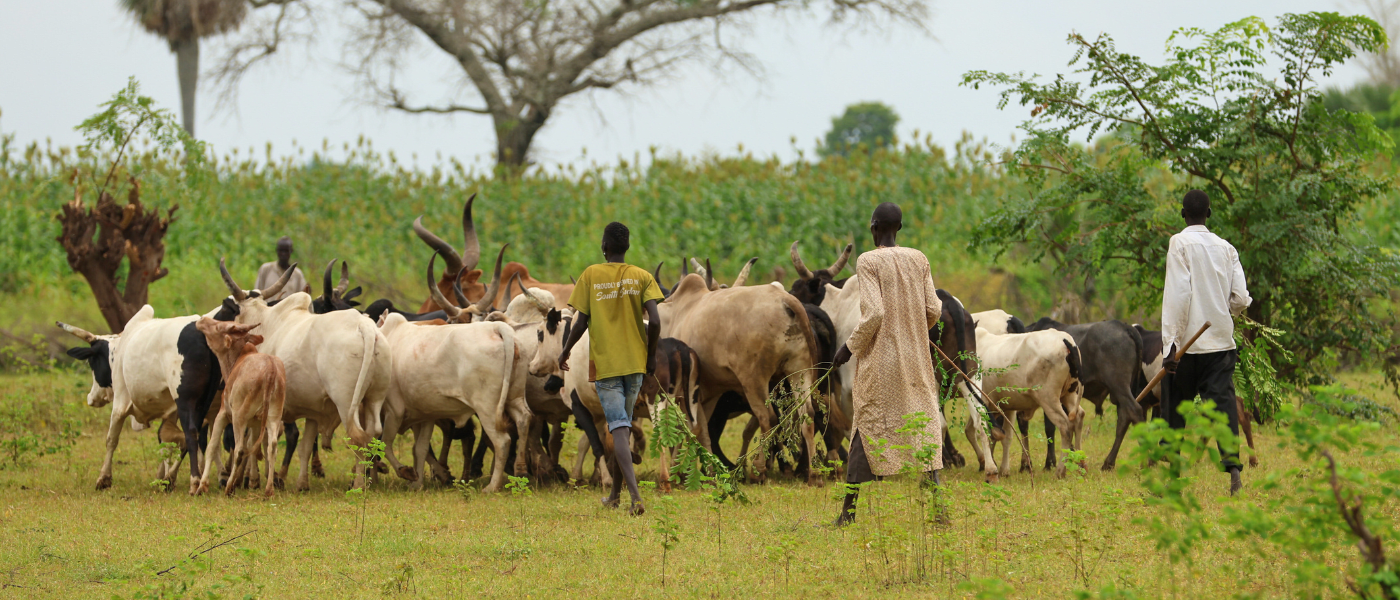 PHOTO: Cattle herders move livestock across grazing land in Aweil East, Northern Bahr el Ghazal State, South Sudan.
Many of the world’s most important ecosystems are also lived in, worked in, and moved through every day. They are landscapes where people, animals, water systems, grazing patterns, and environmental change are deeply intertwined. They are places where biodiversity is not something observed from a distance, but something actively sustained through daily systems of care, adaptation, and stewardship.
This is biodiversity in practice. And increasingly, these systems are under pressure.
The world’s rangelands cover more than half of the Earth’s land surface and support hundreds of millions of people, many of whom depend directly on livestock and healthy ecosystems for their livelihoods, food security, and resilience. These landscapes also play a critical role in carbon storage, water cycles, soil health, and ecosystem stability. Yet discussions about biodiversity do not always acknowledge the communities who live within these systems and whose knowledge, mobility, and animal health practices have helped sustain them over generations.
When biodiversity is framed only through the lens of protected wilderness, it becomes easier to overlook the importance of working landscapes and the systems that allow them to function over time. Rangelands are often perceived as empty or underutilized spaces rather than dynamic ecosystems shaped by movement, adaptation, and long-standing relationships between people, animals, and the environment.
The Systems That Sustain Resilience
In reality, the health of these landscapes depends on balance. Seasonal grazing patterns help prevent overuse of pasture. Mobility allows communities to adapt to changing environmental conditions and reduce pressure on fragile ecosystems. Animal health systems help maintain livestock productivity while reducing the risk of disease outbreaks that can devastate both livelihoods and food systems. Local knowledge informs how communities respond to drought, shifting rainfall patterns, changing forage conditions, and emerging threats.
When those systems weaken, the impacts are felt quickly and across multiple levels.
Livestock become more vulnerable to disease and malnutrition. Families lose access to income, nutrition, and economic stability. Grazing pressure intensifies in some areas while other landscapes become inaccessible or degraded. Communities facing repeated environmental shocks have fewer options to adapt safely and sustainably. Over time, the resilience of both ecosystems and livelihoods begins to erode together.
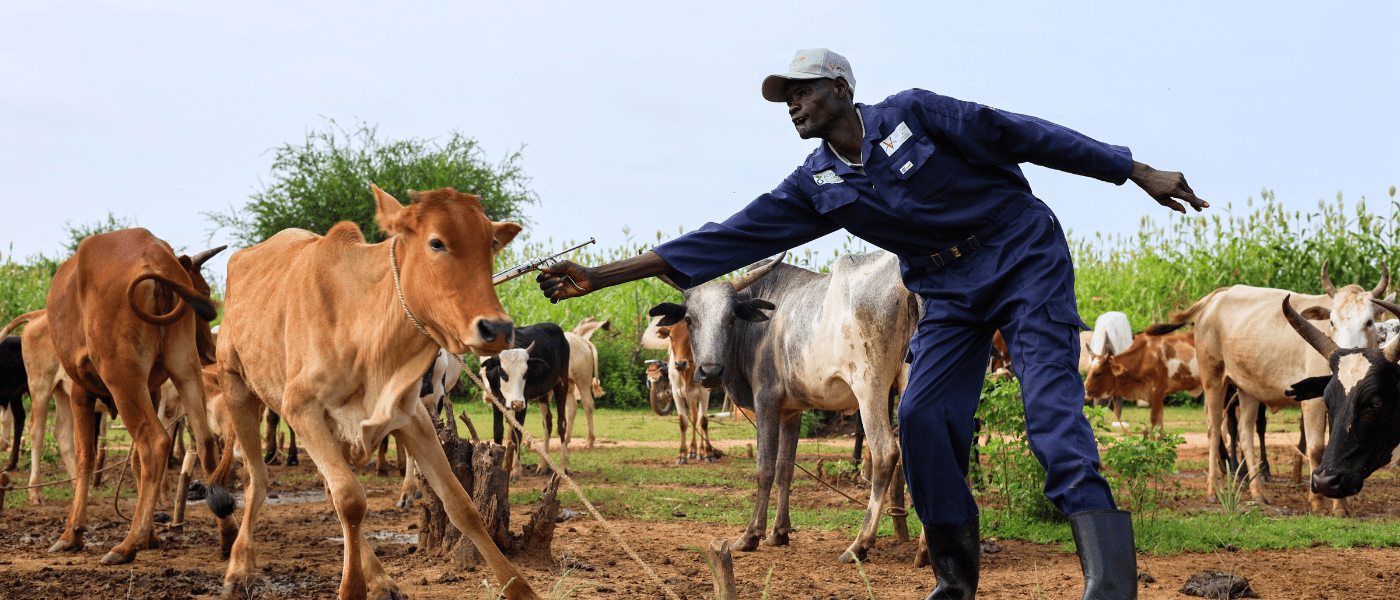 PHOTO: A Community Animal Health Worker (CAHW) vaccinates cattle during a VWB-supported livestock vaccination campaign in Aweil East, South Sudan.
This is what a One Health perspective makes harder to ignore. Environmental health, animal health, and human well-being are not separate challenges unfolding in parallel. They are deeply connected parts of the same living system.
Across many regions of the world, climate pressures are now intensifying existing strain on rangelands and pastoralist systems. In East Africa, increasingly erratic rainfall is disrupting traditional grazing cycles and reducing reliable access to pasture and water. In South Sudan, years of conflict and climate-related flooding have compounded pressure on livestock-dependent communities already navigating fragile conditions. In northern Canada, Indigenous communities are observing changes in wildlife movement, shifting ice conditions, and new pressures affecting both ecosystem health and access to country foods.
These changes are not abstract environmental indicators. They shape daily decisions about movement, animal care, livelihoods, and survival.
Designing Systems for a Mobile World
At the same time, many of the systems intended to support these communities continue to operate as though the world is fixed and predictable. Veterinary infrastructure, public services, and policy frameworks are often designed around centralized models that assume communities can reliably travel to fixed service points or operate within stable environmental conditions. In remote and livestock-dependent regions, this approach frequently fails to reflect reality.
When veterinary care remains inaccessible, preventable livestock diseases spread more easily and outbreaks are detected too late. When mobility routes are disrupted or unsupported, communities lose one of their most important strategies for adapting to environmental variability. When pastoralist knowledge and community-led systems are overlooked, biodiversity itself becomes more vulnerable because the relationships that sustain these ecosystems begin to break down.
The issue is not movement. In many rangeland systems, movement is precisely what allows ecosystems and livelihoods to remain resilient over time.
This understanding sits at the heart of the growing global recognition surrounding the United Nations’ International Year of Rangelands and Pastoralists (IYRP 2026), as well as the Healthy Rangelands Manifesto launched earlier this year by organizations across the VSF International network, including Veterinarians Without Borders North America.
The manifesto calls for stronger recognition of pastoralist and livestock-dependent communities as essential stewards of climate resilience, food security, and ecosystem health. It also calls for greater investment in the systems that allow these landscapes to remain healthy and adaptable over time, including community-led animal health services, mobility rights, locally informed land management, and stronger support for communities living in remote and climate-vulnerable regions.
What This Looks Like in Practice
For VWB, these conversations are closely connected to how we think about animal health systems more broadly.
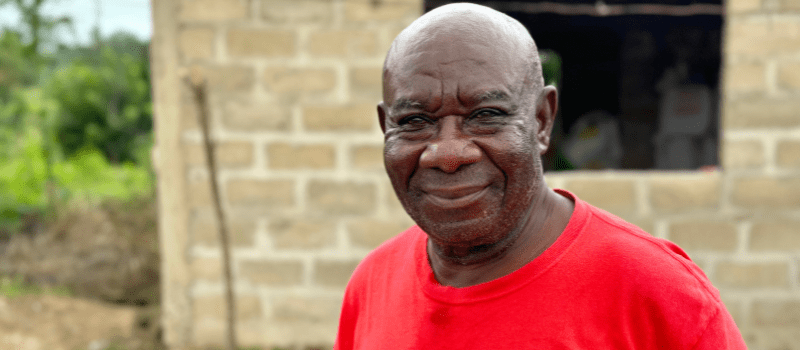
In many of the regions where we work, resilience depends not only on access to veterinary care, but on whether systems are designed in ways that reflect how communities actually live. In South Sudan, community-based animal health systems help extend preventive care and disease surveillance into regions where formal veterinary infrastructure is limited or difficult to access. In Ghana, Community Animal Health Workers trained through local partnerships help bridge major gaps in access to care for livestock keepers living far from professional veterinary services. In northern Canada, veterinary outreach models and One Health partnerships are helping strengthen care in remote communities where geography, weather, and distance shape what access looks like in practice.
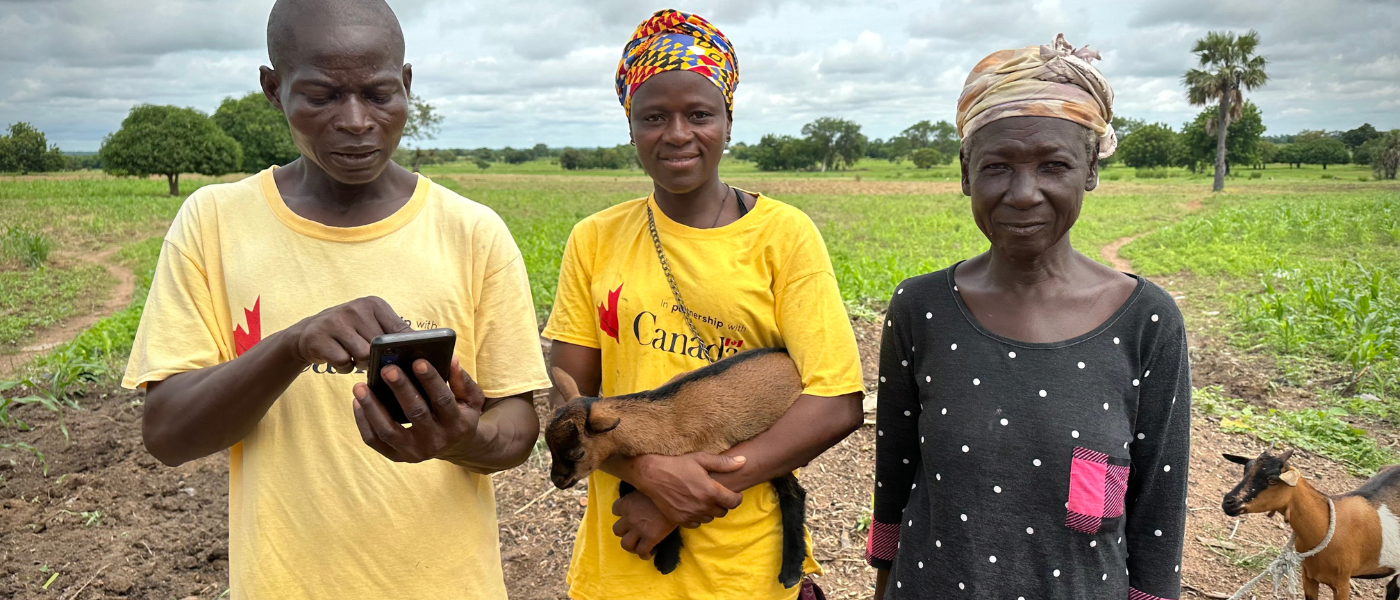 PHOTO: VWB-trained Community Animal Health Workers (CAHWs) use a mobile reporting tool to document a young goat’s illness for a local farmer in Ghana’s Upper East Region.
These efforts are not separate from conversations about biodiversity. They are part of the same broader challenge of supporting systems that allow communities and ecosystems to adapt together in the face of growing environmental pressure.
Healthy animals contribute to healthier livelihoods. Healthy livelihoods help reduce pressure on fragile ecosystems. Strong community-based systems improve resilience, disease prevention, and long-term sustainability. None of these elements exist in isolation.
Importantly, this does not mean romanticizing pastoralism or treating communities as symbolic guardians of nature. Communities living within these landscapes are navigating real pressures, including climate instability, economic uncertainty, conflict, and uneven access to services and infrastructure. But it does mean recognizing a practical reality that is too often missing from global biodiversity conversations: ecosystems are frequently most resilient where communities have the knowledge, flexibility, mobility, and support needed to adapt alongside them.
A Different Way of Thinking About Biodiversity
Healthy rangelands are not static landscapes frozen in time. They are living systems shaped through movement, stewardship, animal health, and continual adaptation to changing conditions. Protecting biodiversity within these landscapes is not only about conserving land or protecting species in isolation. It is also about investing in the systems that allow both ecosystems and communities to remain resilient together over the long term.
That is what biodiversity looks like in practice.
Biodiversity depends on more than protected landscapes.
It also depends on the communities, animal health systems, and movement patterns that keep rangelands resilient.
Join VWB and the VSF International network in supporting community-led approaches that strengthen both ecosystems and livelihoods.