

AGROW | Veterinarians Without Borders
Skip to Main Content

Agriculture-Based Growth and Resilience Opportunities for Women (AGROW)

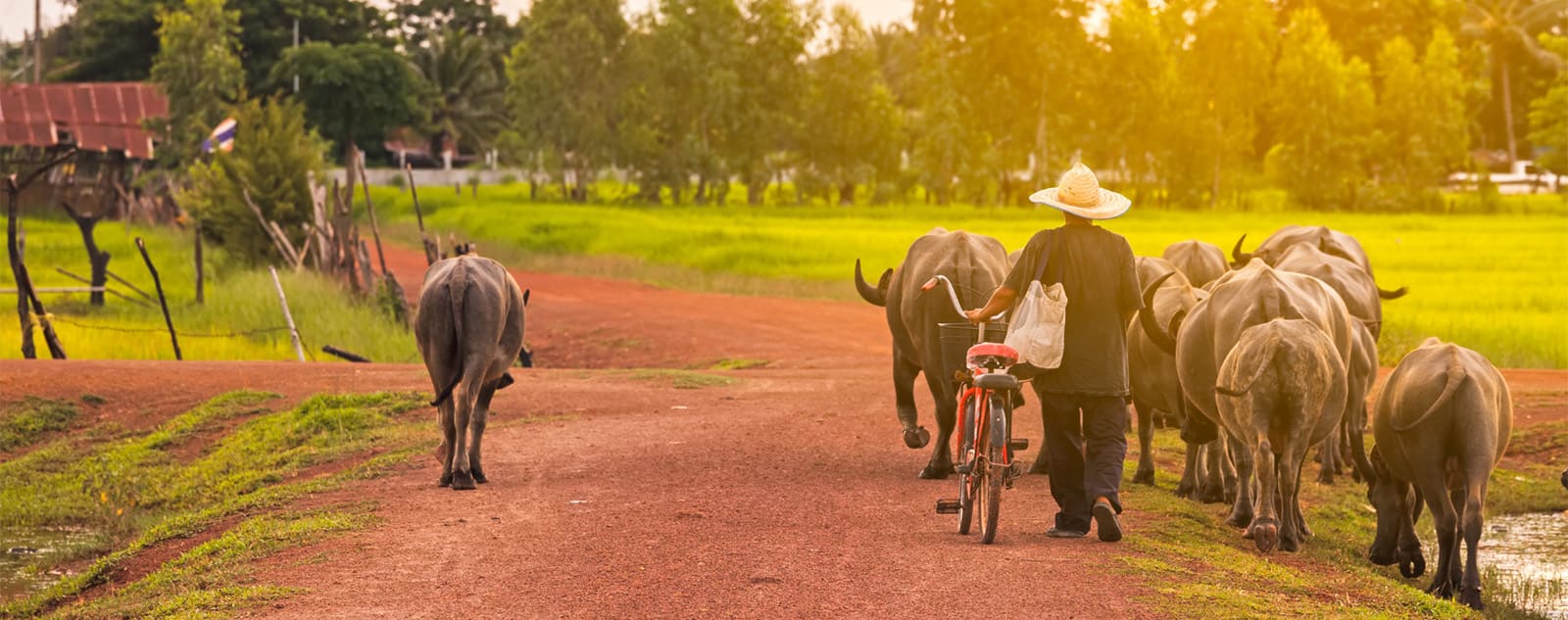
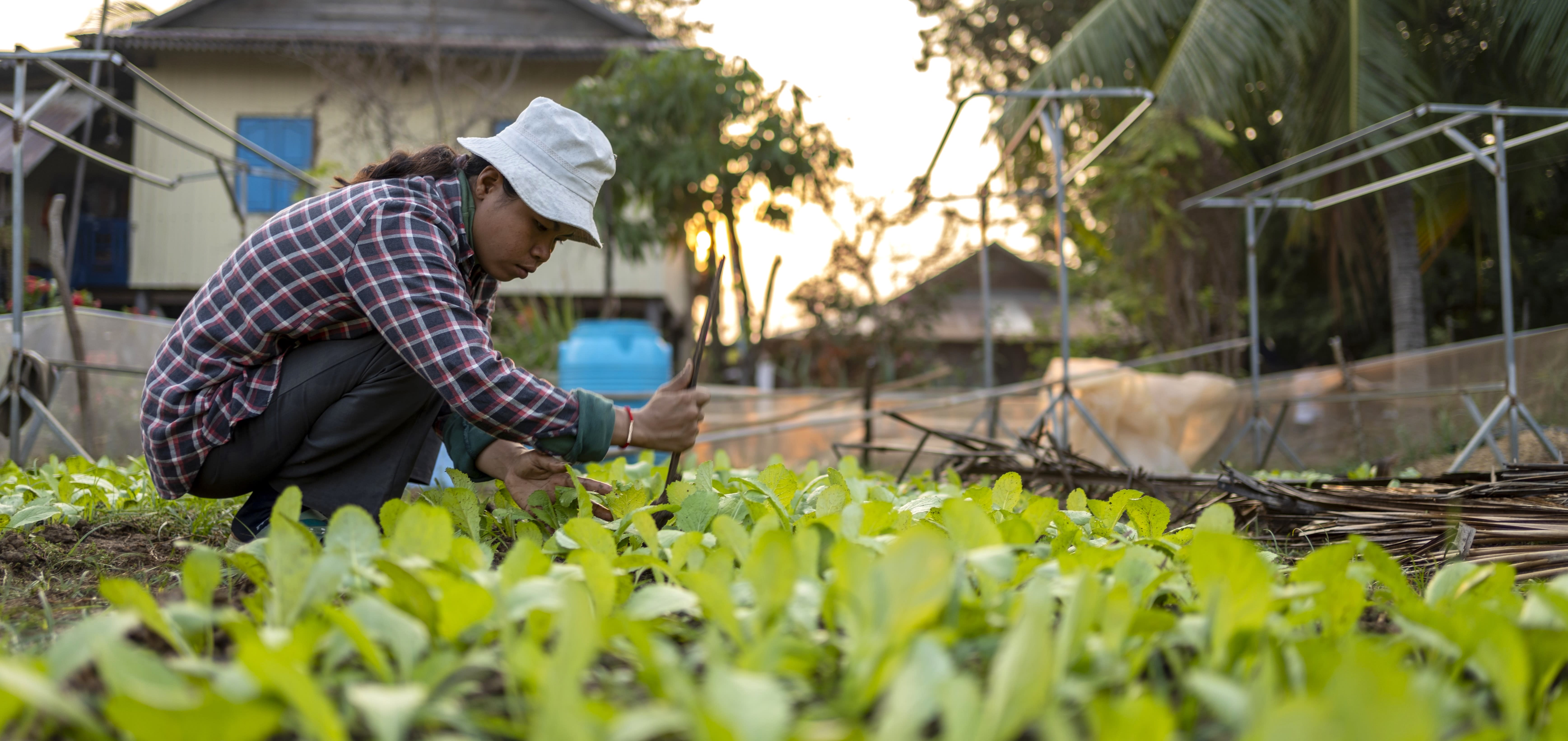
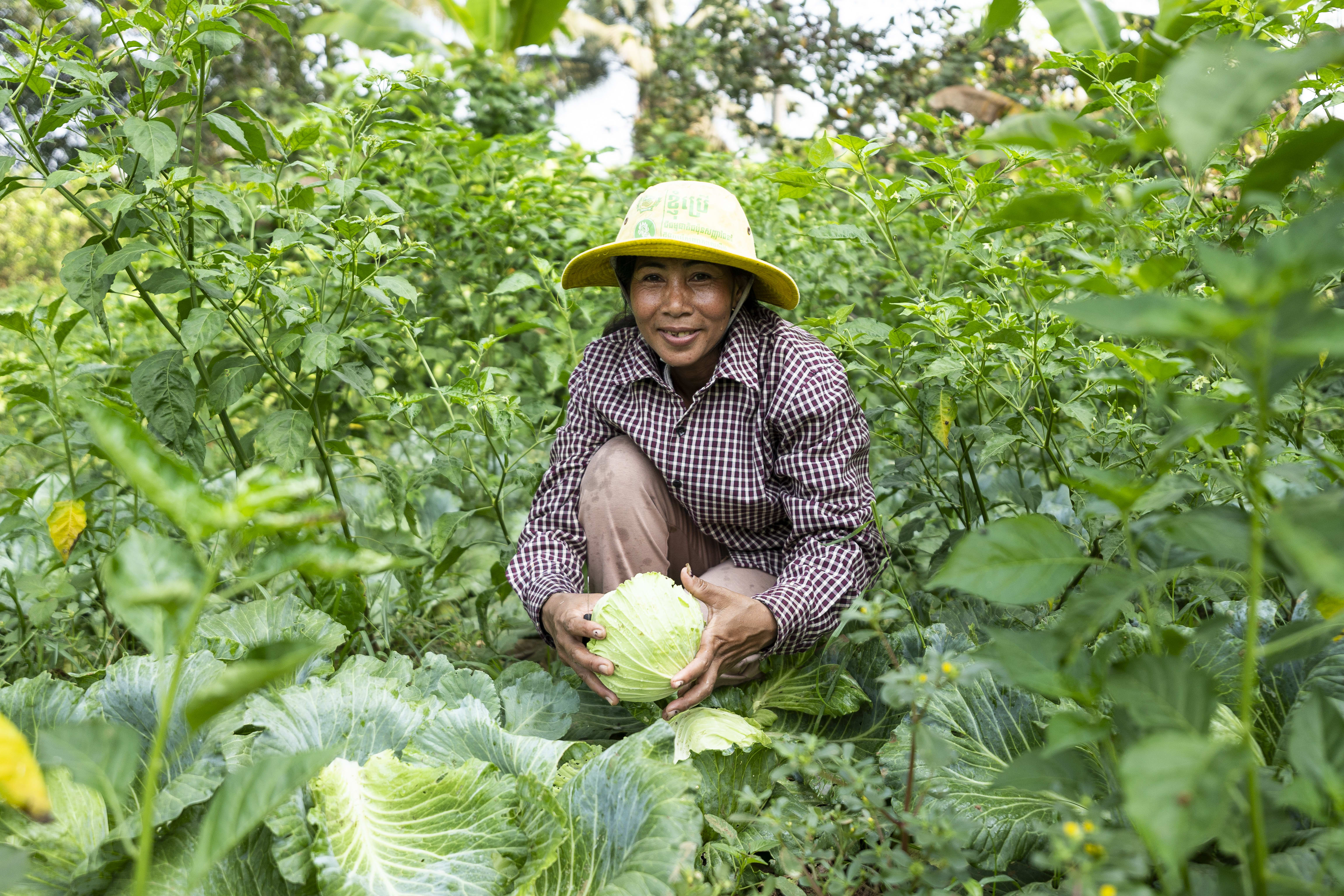
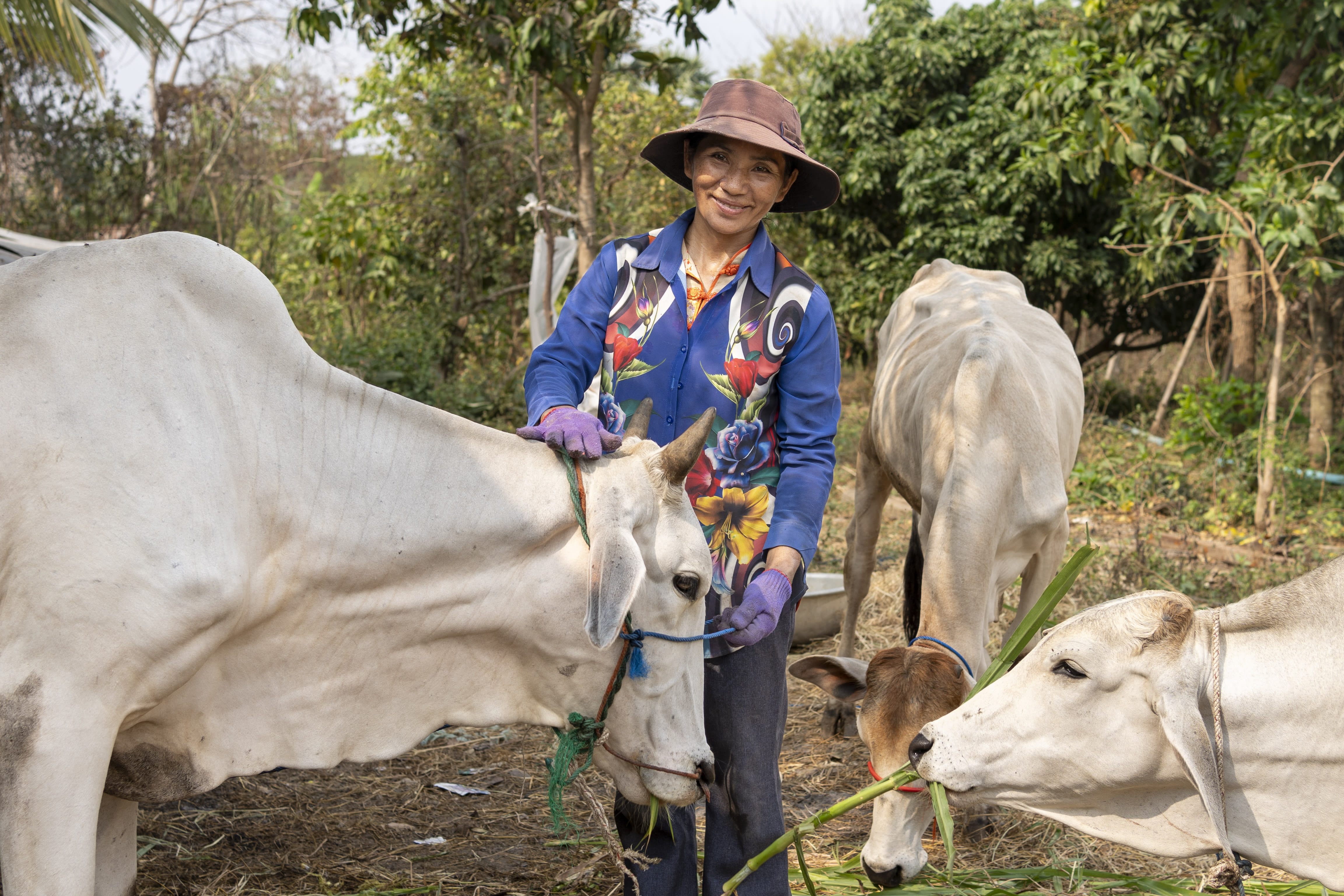
Our AGROW program (2022-2024) focused on climate-smart farming, agricultural best practices, and related income-generating work for women in rural communities.

Agriculture-based Growth and Resilience Opportunities for Women (AGROW)

Status: Completed (AGROW ran from January 2022 through December 2024)

Goal: To enhance the socio-economic resilience of women and girls through One Health approaches, with a focus on sustainable agriculture, animal health, and climate-smart food systems.

Where: Cambodia (Ratanakmondul, Banan and Ek Phnom Districts in Battambang Province)

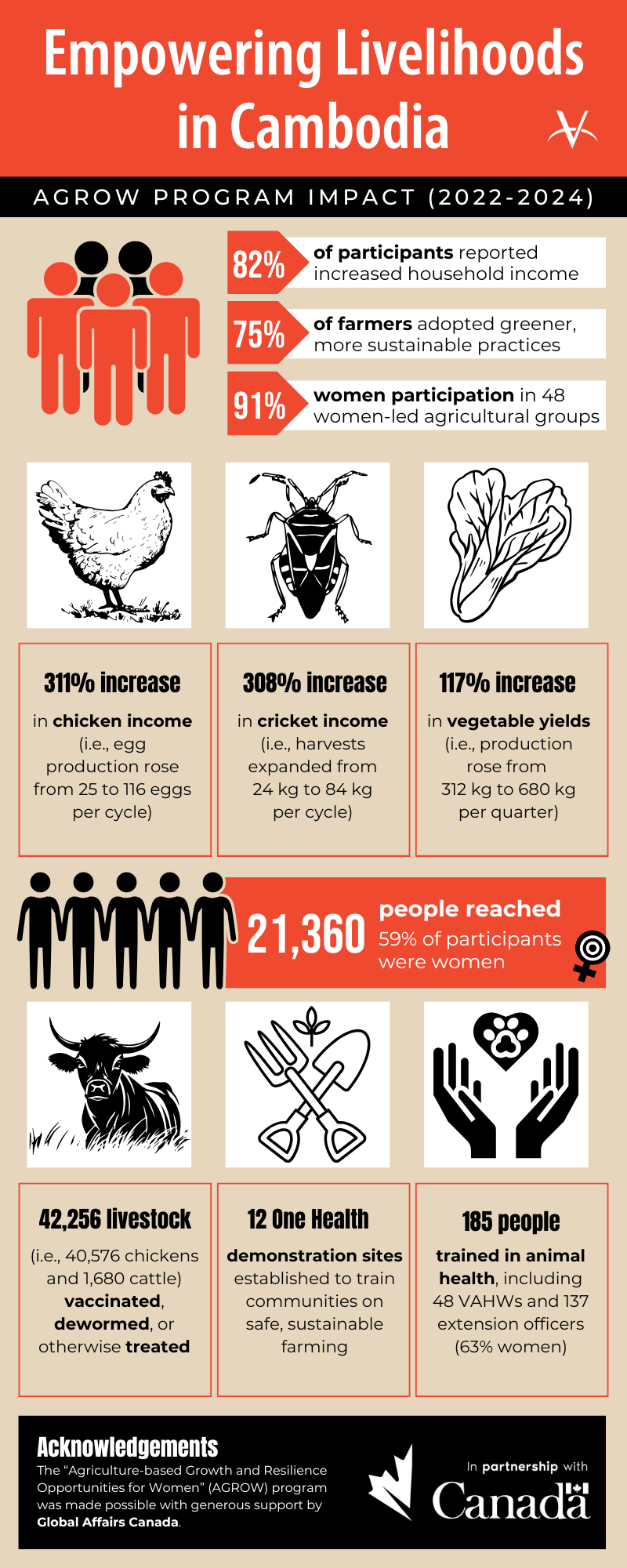
Reach: Over 21,000 individuals reached, 59% of whom were women

🔗 Download the AGROW Project Brief (PDF)

The Situation

In rural Cambodia, over 65% of people depend on agriculture, forestry, or fisheries for their livelihoods. Yet women—despite playing a central role in food production—have long faced barriers to accessing resources, markets, and leadership opportunities. Environmental shocks, limited veterinary services, and outdated farming techniques further compounded food insecurity and constrained income generation.

What We Achieved

AGROW reached 21,360 individuals—59% of them women—surpassing its original target fivefold. Delivered with local partner organizations, the program supported women’s empowerment, improved food security, and strengthened animal health systems through a One Health lens. Key results include:

  • 48 women-led agricultural groups formed, with 912 members (91% women), fostering peer learning, leadership, and business collaboration.
  • 16,201 people trained in gender equality, climate-resilient agriculture, animal health, value-added production, and cooperative development.
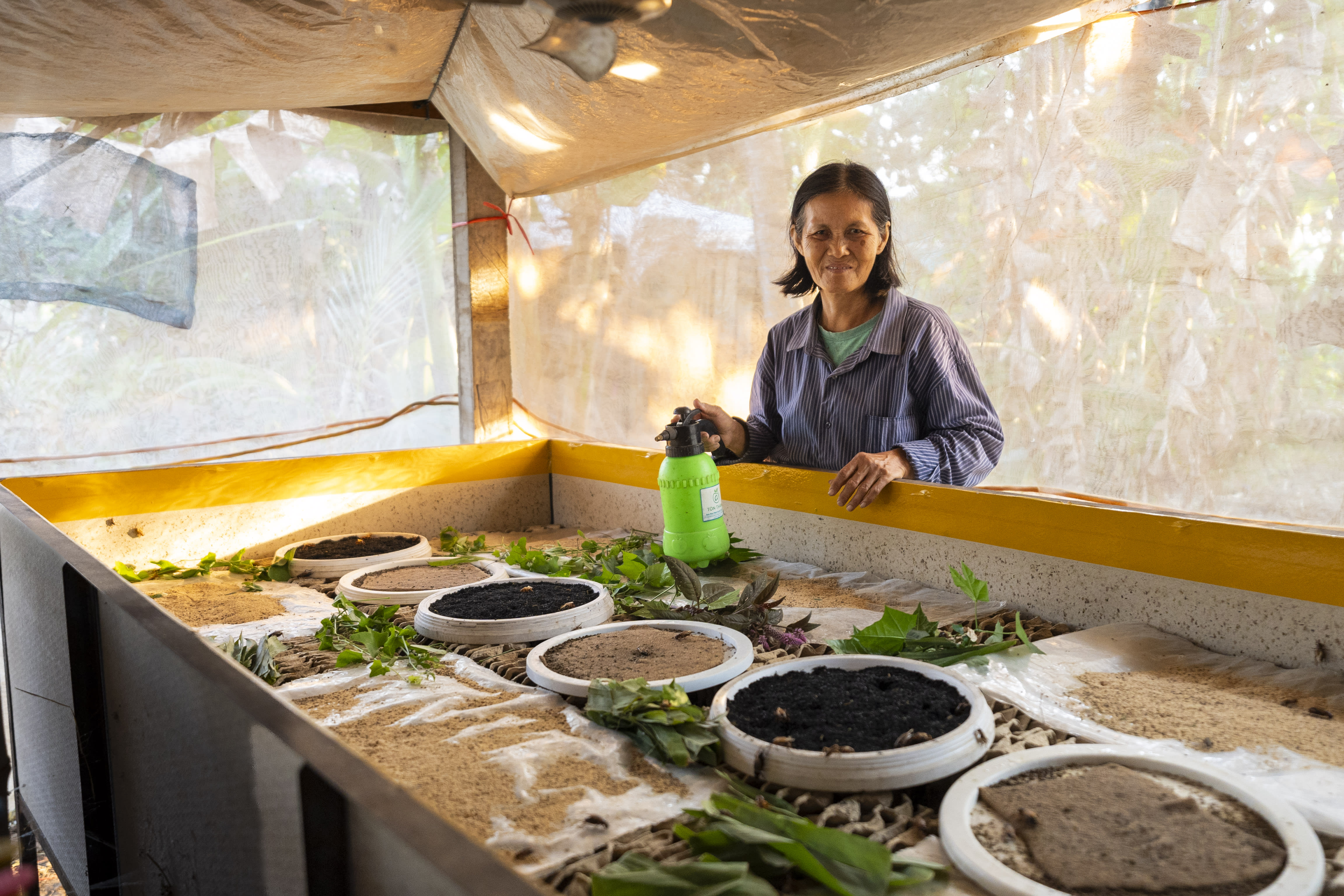
  • Significant income gains for women farmers, including a 311% increase in chicken farming income and a 308% increase in cricket farming income.
  • Vegetable yields more than doubled, from 312 kg to 680 kg per cycle, through composting, organic pest control, and efficient irrigation.
  • 42,256 livestock treated, including 40,576 chickens vaccinated or dewormed and 1,680 cattle receiving veterinary care.
  • 12 One Health Demonstration Sites established to showcase sustainable farming, zoonotic disease prevention, and environmental health practices.
  • Microcredit and co-op grants distributed to support women-led agribusinesses and local food value chains.
  • Climate-smart techniques adopted at scale, including adapted seeds, crop rotation, bio-secure animal housing, and natural fertilizers.
  • Community Health Days hosted to raise awareness about nutrition, sanitation, and zoonotic disease risks.
  • Graduates of AGROW’s training programs now serve as mentors and demonstration farmers, spreading knowledge within their communities.

🔗 Download / enlarge the AGROW infographic.

Sustainability

AGROW emphasized community ownership by training Village Animal Health Workers (VAHWs), supporting local co-ops, and strengthening agricultural value chains. Its integrated One Health approach helped embed sustainable practices across farming systems, animal care, and environmental management.

Human Rights & Gender Equality

At its core, AGROW applied a rights-based approach, promoting gender equality as essential to community resilience. Women were prioritized in all activities—from training and leadership development to financial support and decision-making roles. The program’s gender strategy was grounded in participatory assessments and informed by ongoing learning.

Environmental Impact

AGROW adopted climate-smart farming and sustainable livestock practices that minimized ecological harm. One Health Demonstration Sites modeled these techniques and promoted their adoption among farming communities. Environmental and Social Impact Assessments (ESIA) guided all implementation activities.

The AGROW project was made possible through the generous support of Global Affairs Canada.

Partners in Cambodia:

Agronomes et Vétérinaires Sans Frontières (AVSF Cambodia): Focused on animal health, agroecology, and farmer training in collaboration with the Royal University of Agriculture.

Agriculture Development Action (ADA): A Cambodian NGO supporting vulnerable populations through sustainable agriculture and community development since 1998.

Veterinarians Without Borders North America couldn't do the work we do without your support. Whether it's a financial donation or a donation of your time, by improving the health of animals you will be working to improve the health and quality of life for people throughout the world.

VOLUNTEER WITH US DONATE TODAY

« Go Back

Stories From Around The World

Beyond the Point of Use: Water and the Missing Links in Antimicrobial Stewardship

Beyond the Point of Use: Water and the Missing Links in Antimicrobial Stewardship

Posted Nov 18th, 2026

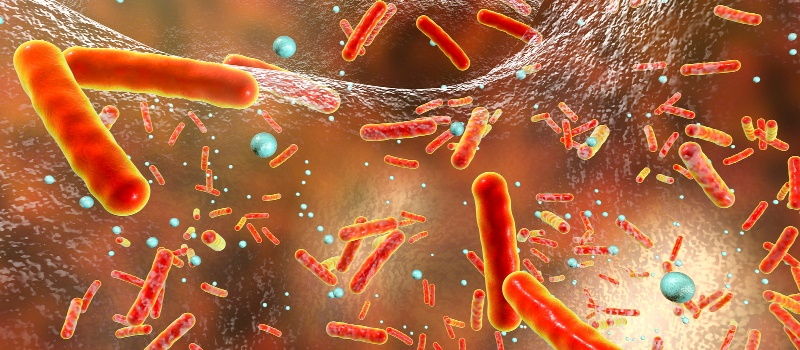
In recognition of World AMR Awareness Week 2026 (November 18–24), this article explores an often-overlooked dimension of antimicrobial resistance: what happens to antibiotics after they are used. By examining how antibiotic residues, resistant bacteria and resistance genes move through water and interconnected environmental systems, it considers the implications for One Health surveillance, pollution prevention and antimicrobial stewardship that extends beyond the point of use.

Read more

Ask an Expert:

Ask an Expert: "What Does It Take to Protect Animal Health Across Species and Borders?"

Posted Nov 10th, 2026

In this edition of Ask an Expert, we spoke with veterinarian Dr. Elena Garde, whose career has spanned wildlife disease research, zoonotic disease, disaster response and community-based animal health across Canada, Latin America and beyond.

Read more

Upcoming Webinar: From Commitment to Practice - What Have We Achieved on AMR and What More Must Be Done?

Upcoming Webinar: From Commitment to Practice - What Have We Achieved on AMR and What More Must Be Done?

Posted Nov 6th, 2026

Register now for our World AMR Awareness Week 2026 webinar, which brings together experts in antimicrobial resistance (AMR), animal health, and One Health to examine where progress is being made in the global response to AMR, why gaps persist between policy commitments and implementation, and what stronger coordination across human, animal, and environmental health can contribute to meaningful, lasting change.

Read more

  • Before the trainings, I was milking 6 liters a day. Today, I produce 33 liters — and my life changed. I want other farmers to benefit from what I've learned, just as I did.
    - Mary Karemi Ndubi (Community One Health Champion, Kenya)

Become A Part Of The Big Picture

By supporting Veterinarians Without Borders through donations or volunteering, you become part of the Big Picture solution. 

Volunteer  Donate  

+1(343) 633-0272 Contact