
Kenya | Veterinarians Without Borders
Skip to Main Content

Kenya

The Kenyan dairy industry contributes to the livelihoods of many farmers who lack formal economic opportunities and are subsistence farmers, wholly relying on livestock for income and nutrition.

Donate Now

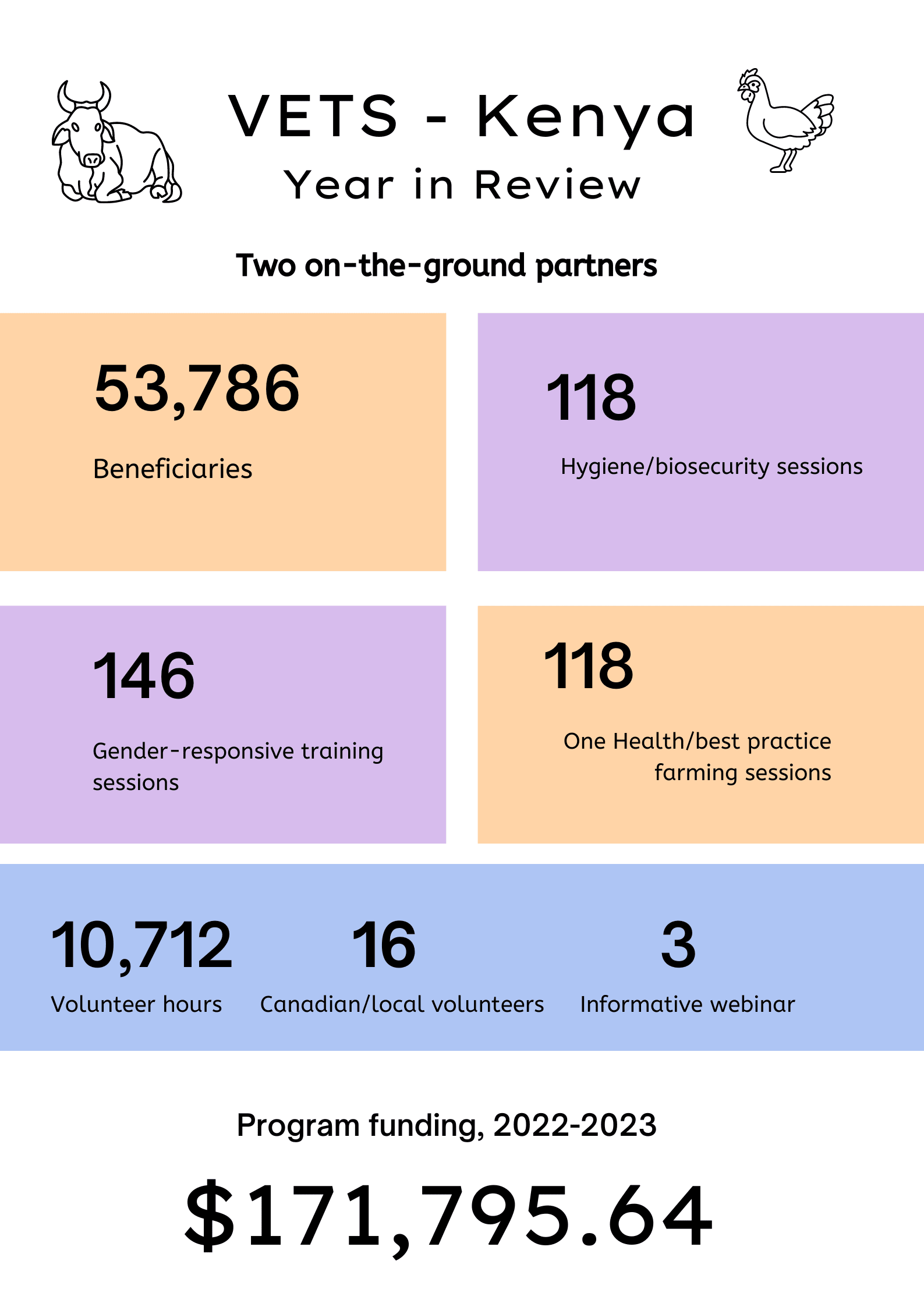
kenya stats

Kenya: An Overview

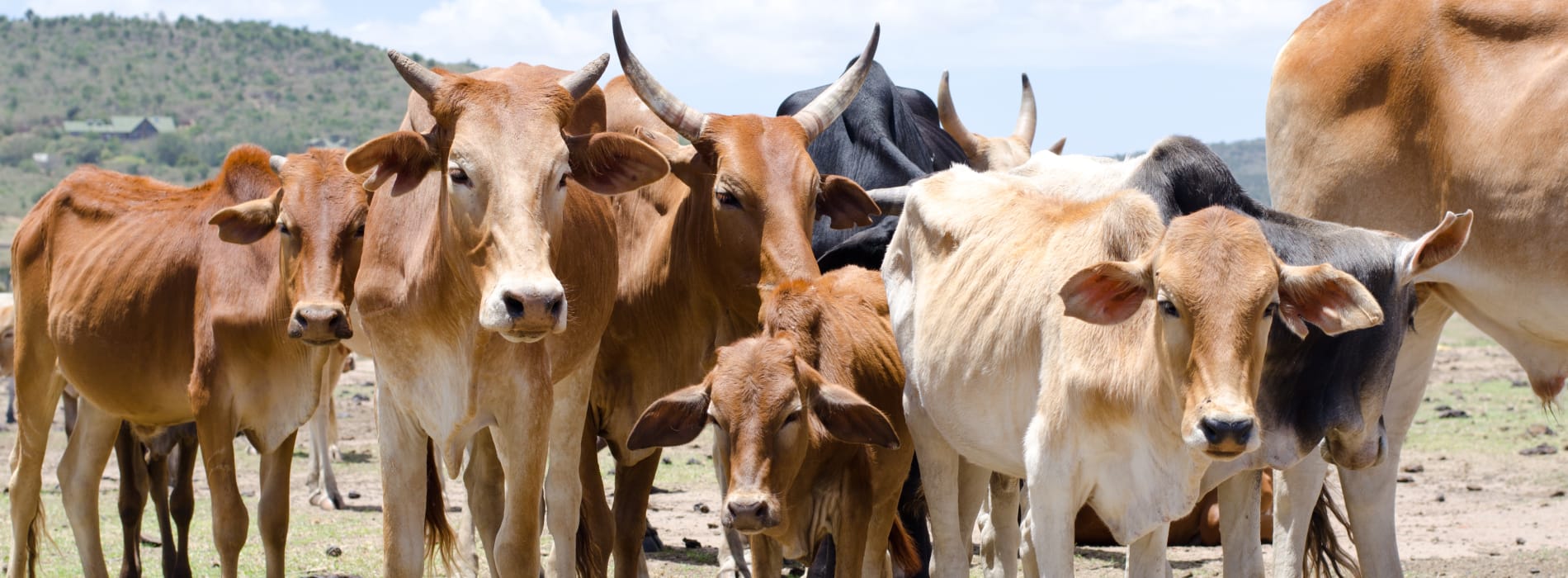
At the production level, smallholder farmers dominate the dairy industry in Kenya; this means more households are involved in the dairy value chain in Kenya compared to Canadian dairy farming operations. Canadian farmers may have hundreds of dairy cattle in one herd compared to the average smallholder Kenyan farmer’s 1-3 cattle. Therefore, the Kenyan dairy industry contributes to the livelihoods of many farmers, many of whom lack formal economic opportunities and are subsistence farming, wholly relying on livestock for income and nutrition.

Dairy cows can improve the status of women in villages, as women take on livestock rearing responsibilities. Through dairy cow ownership and rearing, women can increase household income, better nourish themselves and their children, and participate in household and community-level decision making.

Veterinarians Without Borders North America couldn't do the work we do without your support. Whether it's a financial donation or a donation of your time, by improving the health of animals you will be working to improve the health and quality of life for people throughout the world.

VOLUNTEER WITH US DONATE TODAY

Why We Are Here

In Kenya, milk and dairy production are crucial for the daily food security of rural families. However, a heavy reliance on wood for fuel and forest land for grazing deforestation has led to an increase in land degradation resulting in desertification, soil infertility, loss of biodiversity, poor crop yields, and limited access to water.

Women also play a significant role in activities related to animal husbandry and dairy production, but their participation is commonly concentrated at the production level which is less profitable than the jobs commonly done by men. 

Using the One Health approach, training is provided to dairy cooperative extension officers and smallholder farmers to increase human health, animal health, and environmental health. Increased dairy cow health leads to better milk quality, more production, happier animals and farmers.  

Current Projects in Kenya: VETS

The VETS project will work closely with two dairy groups Wakulima and Meru dairies in Kenya to promote and support sustainable, inclusive economic development and enhanced employment opportunities for vulnerable groups, particularly women and youth.

This includes programming to help bridge the skills gap in Kenya and facilitate investment in underserved but promising small and medium enterprises in marginalized regions. Building the capacity of these dairy groups is crucial in linking women dairy producers to milk markets, increasing women’s access to dairy inputs, and moving women to supervisory roles within family dairy farms

The project will support integrated farming solutions, including training to encourage the use of sustainable fuel sources, (organic manure), the establishment of zero grazing units, the recycling of effluent water discharge and the planting of resilient fodder crops to improve soil fertility, minimizing deforestation and promote climate-smart agriculture.

Go To The Program Page

VETS Partners in Kenya 

Mukurwe-ini Wakulima Dairy Co-operative

Mukurwe-ini Wakulima Dairy Co-operative was founded in 1990. Structured as a cooperative, the goal was to mobilize self-help mechanisms that simultaneously create opportunities, extend protection, and facilitate empowerment for local farmers. The primary objective of collecting, bulking and selling farmers’ milk began at 30 litres per day.

Currently Wakulima Dairy has an average of 7,500 active members bulking and collecting over 50,000 litres of raw fresh milk which is processed into various products – fresh milk, fermented varieties, and high-value products.

Meru Dairy Co-operative Union

Meru Dairy Co-operative Union is an umbrella cooperative made up of 42 small cooperative societies in Meru county and its surrounding areas.

Some cooperatives are quite remote. Some are small, and others have over 800 farmers. Meru Central Dairy Union is well known in the county and has built a reputation for having high-quality milk.

« Go Back

Stories From Around The World

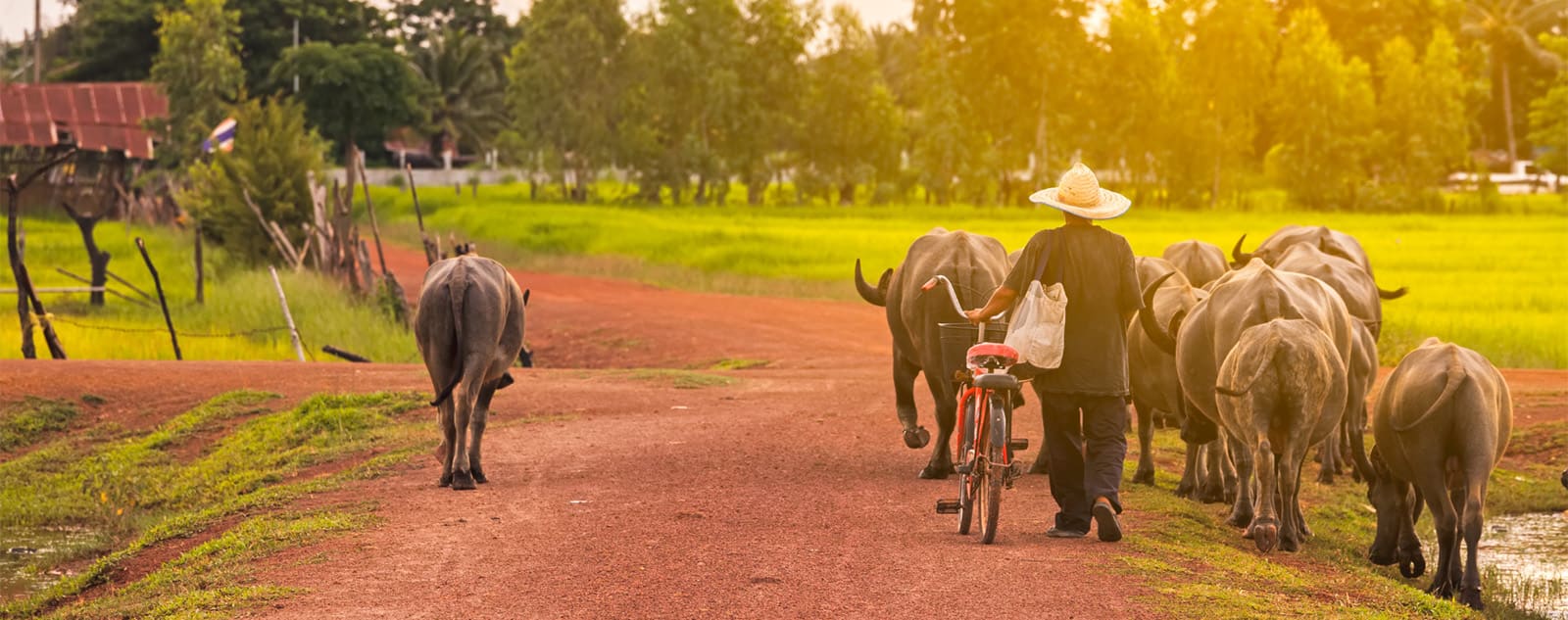
VETS Volunteer Voices: Growing Stronger Together in Cambodia

VETS Volunteer Voices: Growing Stronger Together in Cambodia

Posted Jul 9th, 2026

In this edition of #VETSVolunteerVoices, we shift perspective — from volunteer reflections to the voice of a local VETS program partner helping shape sustainable agriculture from within. Meet Sophoan Min, Country Representative of AVSF Cambodia, who has spent more than 25 years working alongside farming communities and VETS volunteers to strengthen farmer organizations, promote sustainable agriculture, and build more resilient rural livelihoods.

Read more

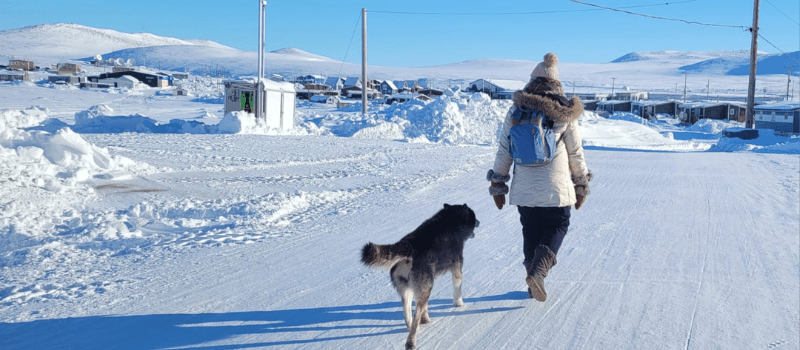
Where Care Begins: How Helen Klengenberg Is Helping Strengthen Animal Health in Nunavut

Where Care Begins: How Helen Klengenberg Is Helping Strengthen Animal Health in Nunavut

Posted Jul 9th, 2026

From coordinating veterinary clinics to supporting future Community Animal Health Workers, Helen Klengenberg's story highlights the importance of local leadership in strengthening animal health across Nunavut. As communities continue to build local capacity, we explore how VWB is working alongside northern partners to improve access to care.

Read more

Different Approaches, One Goal: Bringing Veterinary Care Closer

Different Approaches, One Goal: Bringing Veterinary Care Closer

Posted Jul 8th, 2026

Access to veterinary care looks different in every community. This blog explores how mobile clinics, local veterinary partners, and Community Animal Health Workers help bring care closer to animals and families in Northern Canada, Ukraine, Senegal, and beyond.

Read more

  • The most rewarding part of my placements was helping others and seeing the many lives that are impacted along the way.
    - Nikki Sheedy

Become A Part Of The Big Picture

By supporting Veterinarians Without Borders through donations or volunteering, you become part of the Big Picture solution. 

Volunteer  Donate  

+1(343) 633-0272 Contact