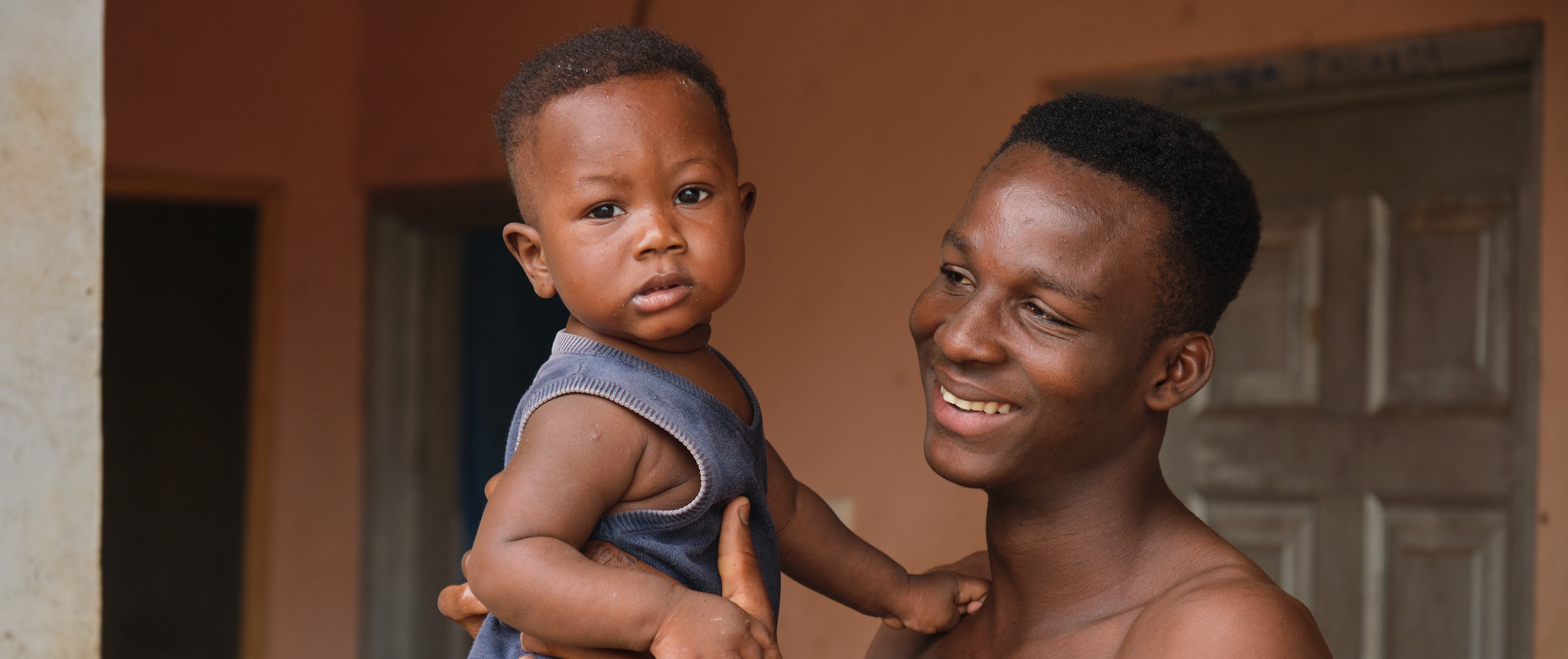
In the heart of Ghana, where traditional beliefs and limited access to resources have long impeded the progress of women and girls, a transformation is underway...
Together with local VETS program partner, the Social Enterprise Development Foundation (SEND), Veterinarians Without Borders (VWB/VSF) is implementing the innovative Gender Model Family (GMF) methodology in addition to One Health initiatives that increase animal, human and environmental health. These initiatives not only enhance the economic and social well-being of women and girls but also challenge deep-rooted gender-based barriers.
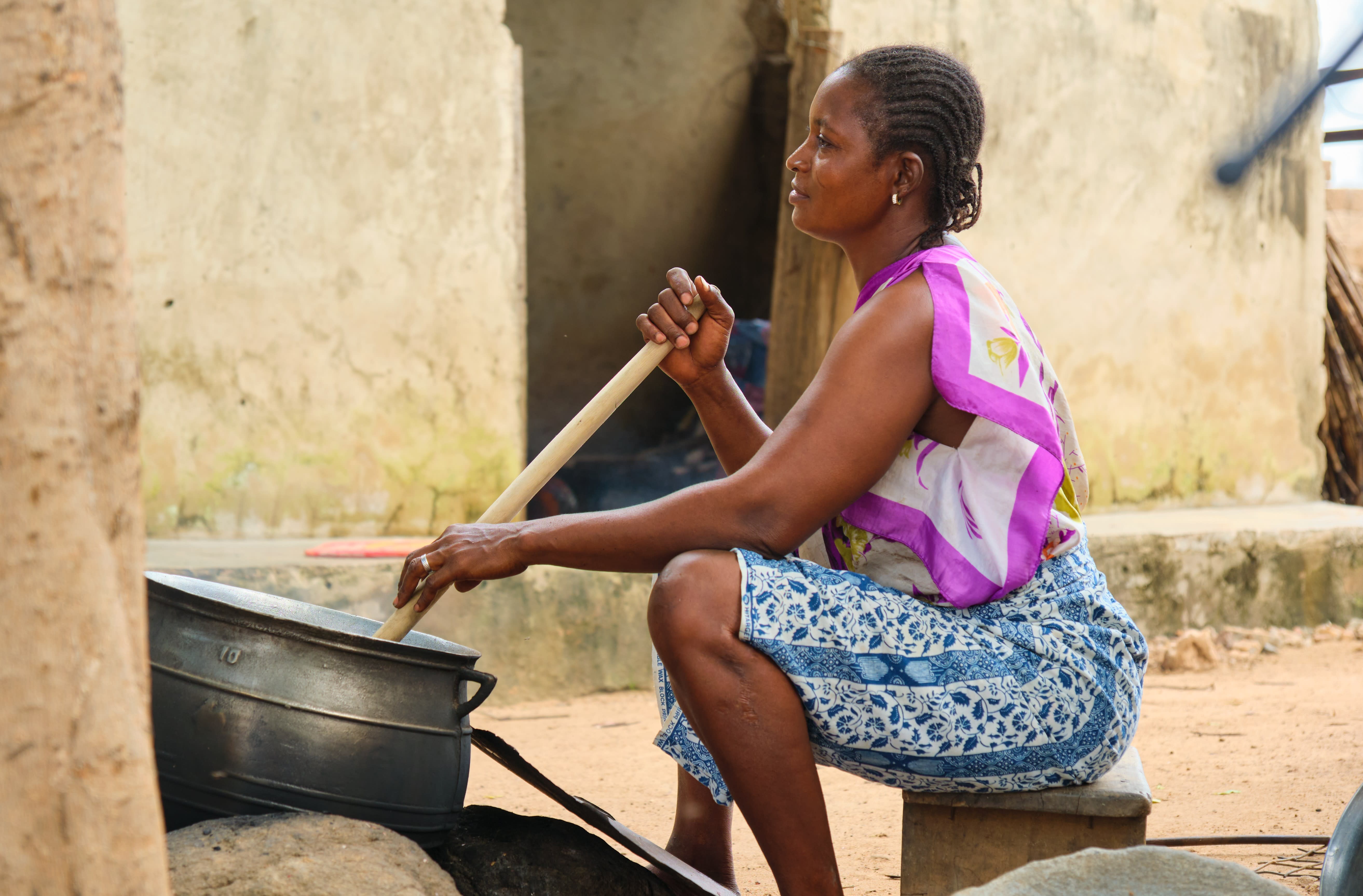
Community Sensitization and Commitments
The Gender Model Family is a comprehensive approach encompassing community sensitization, mentoring, and coaching to challenge the social norms acting as barriers to women's empowerment. This past year, 432 families, including couples and their children, benefited from these interventions. Additionally, 864 couples were trained on animal production and husbandry practices.
Participants gained a better understanding of gender issues and the significant, often unseen, contributions of women through unpaid work and commitments were made by men to ensure women's access to and control over family resources, such as land and livestock. Pledges were also made to foster fairness within households, leading to the development of family action plans, closely monitored for implementation.
Issah Baba's Journey to Inclusivity
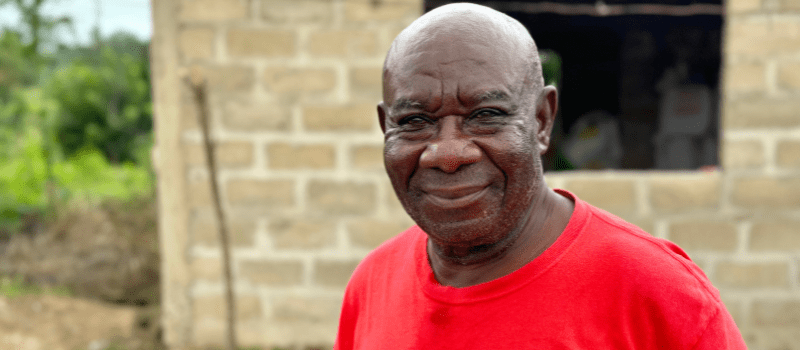
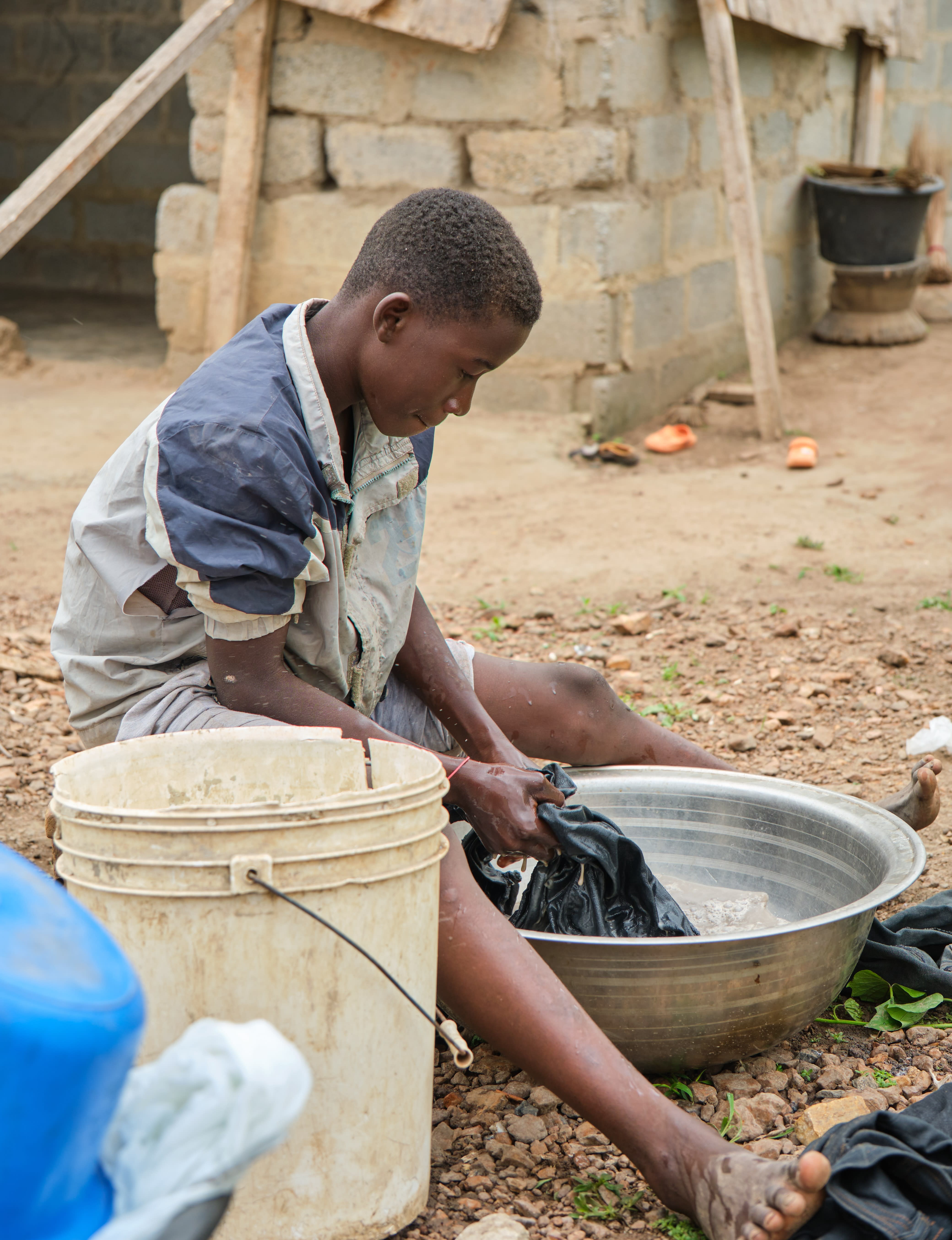
In the rural community of Gaa, in the Gushegu district of the Northern Region, Issah Baba is an example of the transformative power of the GMF methodology. Leading a polygamous household, Issah Baba and his family underwent a positive change. The training received through the VETS project inspired him to embrace inclusiveness in household activities, supported by commitments from other men in the community. As a result, Issah Baba and his sons now actively share the household chores, challenging the norm of exclusive female responsibility.
His first wife, Fadila, proudly shares the change in their household dynamics, "As I stand here, my oldest son is at home washing my clothes." This redistribution of unpaid care work has not only fostered peaceful coexistence among Issah’s co-wives but has empowered the women to actively participate in decision-making and gain access to and control over household resources, including land and animals.
Empowering Adisa and Abukari
In Savelugu, Adisa and her husband Abukari, both GMF members, are breaking barriers together. With the burden of domestic labor shared, Adisa has been empowered to engage in rice production, vegetable farming, and animal rearing. This newfound economic activity has generated additional income, enabling them to overcome challenges in paying their children's school fees.
Sulemana Nyimadak's Family
Similarly, Sulemana Nyimadak's family in the Zagban community, Yendi district, directly benefited from the VETS project's on-farm production training. VETS volunteer and retired veterinarian, Dr. Joseph Danquah, imparted knowledge that significantly improved their poultry farming practices. Sulemana explained, "The doctor's recommendation about not feeding fowls whose eggs are about to hatch has been really beneficial to us. Now, my fowls hatch more eggs, and their numbers have more than doubled. I sell more and make more money." This increased income is strategically directed towards their children's education, aligning with Goal 5 of the SDGs.
A Ripple Effect
As these successes slowly spread, the ripple effect is becoming evident. More families are expressing interest in becoming GMFs, and the positive impacts witnessed by peers are helping to reduce the stigma surrounding the interventions. In fact, the GMF methodology aims not only to empower its beneficiaries but seeks the buy-in of the entire community, challenging harmful social norms and advancing women’s empowerment on a broader scale.
VETS is a 7-year initiative (2020-2027) to improve the economic and social well-being of marginalized people, particularly women and girls, in 6 countries across Africa and Asia. In collaboration with local partners, the program is implemented through 190 Canadian volunteers on international assignment and is generously funded by Global Affairs Canada.