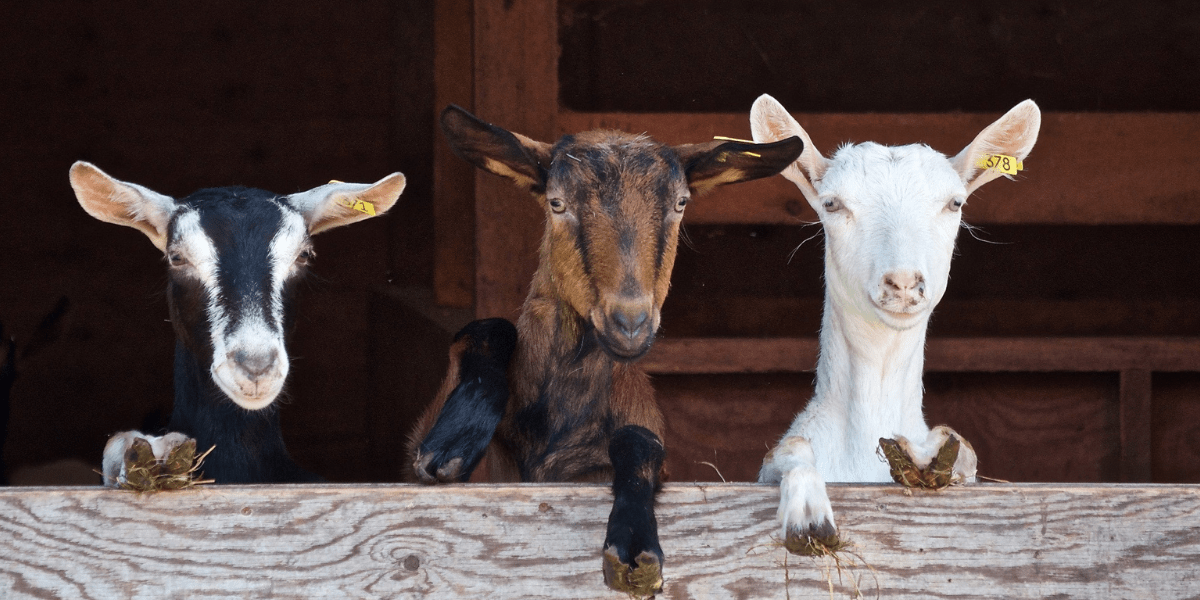
In 2023, Veterinarians Without Borders implemented an agricultural program in Ukraine to help train small-scale farmers and other community members in raising goats. This not only is helping communities with limited access to resources due to the war, but also ensuring that goats are being cared for with best farming practices.
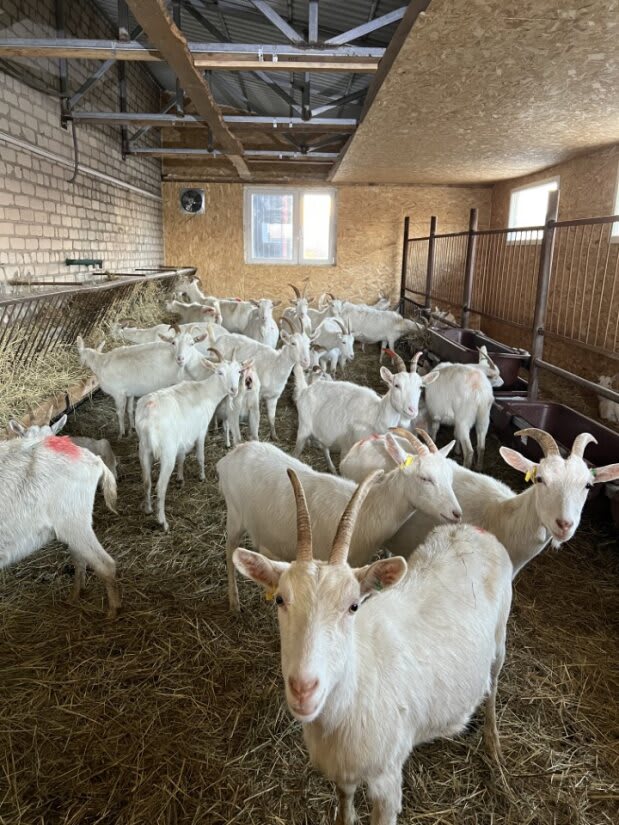 As the full-scale war rages on in Ukraine, Veterinarians Without Borders North America (VWB) has been hard at work with on-the-ground partners to support animal health initiatives that are helping both animals and people. While much of our work is focused on companion animal health, including life-saving emergency veterinary surgeries, vaccinations, spay/neuter surgeries, pet food deliveries, and more, we are also working with rural Ukrainian communities to implement agricultural programs, including how to raise farm animals.
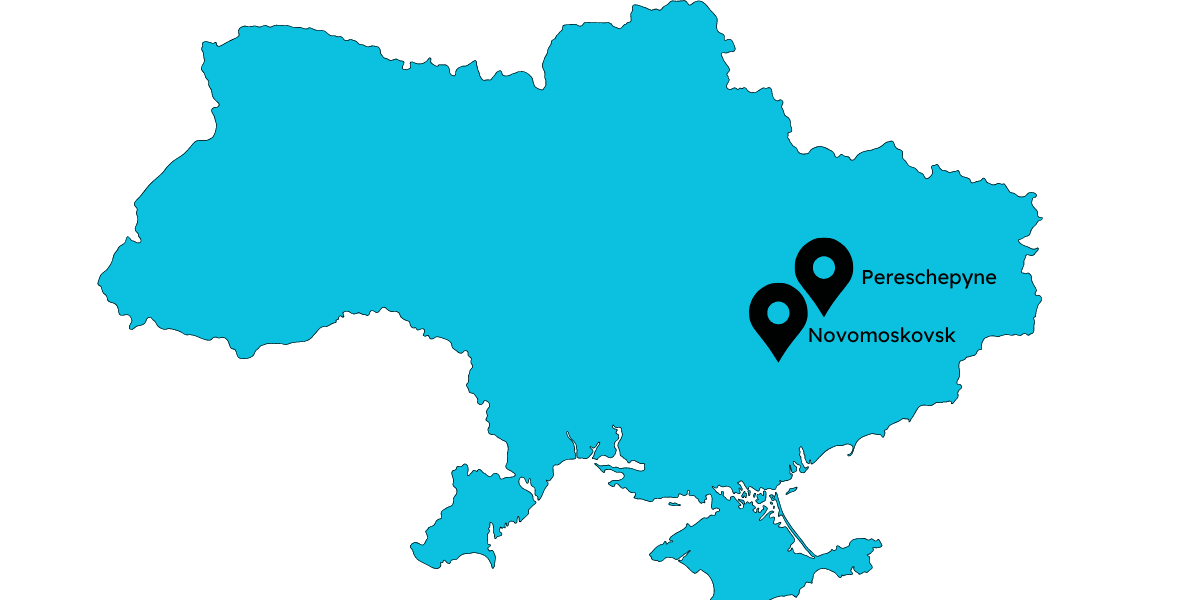
VWB’s goat pilot program, which ran from September 1, 2023, to January 5, 2024, and operated specifically in Pereschepyne and Novomoskovsk, both communities in the Dnipro region where around 21,000 people currently live.
“The primary goal of this program is to train people in goat farming so that, ultimately, they’re able to raise goats, produce milk and cheese, and work with other community members to distribute food,” explained Daria Kuznetsova, VWB’s Ukraine Program Manager who is based in Ukraine. “With so many resources depleted throughout this region due to the war, this is not only a way to support food security in Ukraine but also help locals establish some income,” she added.
The training program covers care, including things like determining the goats’ age, hoof care, and more, plus working with participants to implement best animal welfare practices like proper housing, handling, nutrition, health monitoring, reproduction, and transport for the animals. Additionally, the training teaches participants to recognize and address common goat diseases, prevention of these diseases, illness recognition, parasites, infectious and non-infectious diseases, biosecurity measures, and vaccination protocols. The trainees are also trained in cheese making and dry milk production. Additionally, the program covers legal aspects of small farming business in Ukraine and EU standards in farming.
During the pilot program, VWB helped to distribute 100 goats to 10 teams of people, (3 person per team), throughout the Pereschepyne and Novomoskovsk regions. Every team received food, medicine, and milking equipment to help them get started.
Photos from the training sessions


“This is such a unique program in the region,” Daria added. “With the war passing its second-year mark just last month, it’s critical that Ukrainians are provided with options to sustain their families and livelihoods despite the ongoing tragedies and destruction,” she said.
VWB aims to continue supporting small-scale farmers and individuals interested in learning about farming across remote communities in Ukraine.